















Connect with us

Hi, what are you looking for?

Politics

Trump’s Venezuela Operation Sends Shockwaves Through Energy Markets and Global Diplomacy

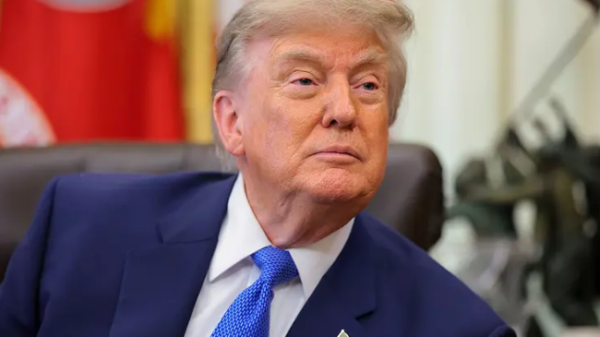
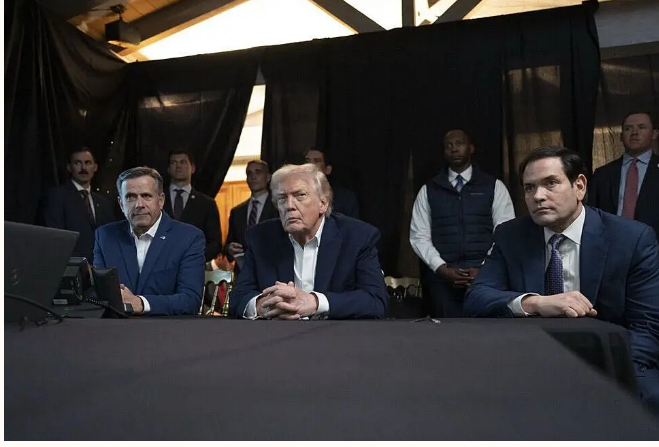
Hours after the successful removal of Venezuela’s President Nicolás Maduro, former U.S. President Donald Trump warned that “American dominance in the western hemisphere will never be questioned again,” signaling a bold intervention with far-reaching consequences.

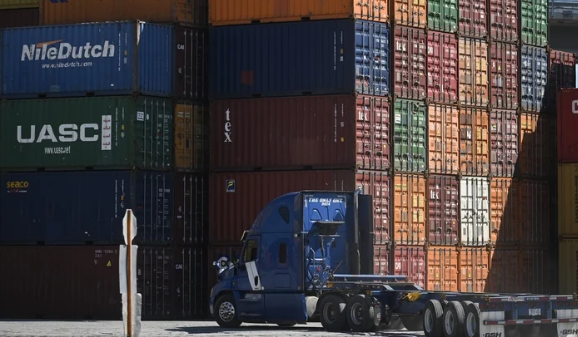
The operation, which involved the capture of Maduro and his detention in the United States, marks an unprecedented move in modern geopolitics. Trump announced that American companies would manage Venezuela’s oil resources, a strategy that could reshape energy markets and intensify competition among global powers. Venezuela holds the largest proven oil reserves in the world, but years of mismanagement, sanctions, and underinvestment have left its production under 1 million barrels per day, around 0.5 percent of global output.

Trump claimed U.S. energy firms are ready to invest “billions and billions of dollars” to restore the country’s oil infrastructure, though experts caution that rebuilding could take years or even decades. In the immediate term, the move also cuts China off from a major energy supplier. Venezuelan oil shipments to China, its main customer, averaged over 600,000 barrels per day in December 2025, representing about 4 percent of China’s imports. Just hours before his capture, Maduro met with Qiu Xiaoqi, the Chinese government’s special representative for Latin American affairs, highlighting Beijing’s strategic interest in the country.

The removal of Maduro and U.S. plans to oversee Venezuela could also set a new precedent for international relations. Capturing a sitting head of state defies norms of sovereignty and could encourage other powers to act similarly. Analysts note that Russia and China may view this as justification to continue or escalate their own aggressive foreign policies. In particular, China’s longstanding warnings regarding Taiwan may carry less diplomatic weight, while Russia could interpret the event as validation of its actions in Ukraine.

Trump’s intervention has also unsettled leaders across the Americas. In the aftermath, he signaled intentions to address perceived threats in Mexico and Colombia, citing drug trafficking concerns. Cuban officials have expressed worry, as Caracas has long served as a regional ally to Havana. Republican lawmakers in the U.S. described the operation as the end of Maduro’s influence and a potential shift in the Western Hemisphere balance of power.

While the economic implications for U.S. energy firms are significant, experts caution that the logistical and political challenges of managing Venezuela’s oil industry are immense. Years of neglect and degradation have left infrastructure in poor condition, and securing production for export while navigating domestic unrest will be a complex task.

The capture of Maduro not only threatens to deepen Venezuela’s ongoing crisis but could also influence global energy flows, international alliances, and norms around intervention. As the world watches, governments from Latin America to Beijing are assessing the new reality of U.S. engagement in the region.


Business

Fraudsters are increasingly using AI-generated images and videos to trick people into handing over sensitive personal and financial information, according to FraudSMART, the financial crime awareness initiative operated by the Banking and Payments Federation Ireland (BPFI). The organisation has reported a rise in online adverts promoting fake, State-backed investment schemes. These scams often use fabricated images of well-known politicians and business figures to make the offers appear legitimate and encourage users to click on registration links. Niamh Davenport, head of financial crime at BPFI, said scammers are deliberately exploiting recent media coverage of a planned State-backed savings and investment scheme to give their frauds a sense of credibility. “They often claim the scheme is open to everyone, but that places are limited and being ‘snapped up’ fast, in order to pressure people to act quickly,” she said. “They typically promise guaranteed returns or a guaranteed monthly income.” FraudSMART said that while anyone can be targeted, people in their early 50s are particularly vulnerable to investment scams. This age group is often focused on retirement planning, making them more receptive to financial offers that appear secure or high-yield. According to the organisation, most scams follow a similar pattern. Victims are first directed to click a registration link and complete a short online form providing their contact details. They are then contacted by someone posing as a financial adviser, who urges them to make an immediate “security deposit” to secure participation in the scheme. Once a payment is made, the money is quickly moved through multiple accounts, often overseas, making recovery extremely difficult. Davenport warned that scammers are becoming more sophisticated in their use of technology, particularly AI tools that allow them to create realistic but entirely fake promotional content. These materials are designed to mimic legitimate financial advertisements and build trust with potential victims. Recent figures from An Garda Síochána show investment fraud rose by 20% last year, with losses exceeding €20 million. The scale of individual scams varies widely, ranging from smaller crypto-related frauds involving a few hundred euro to large-scale investment schemes where victims lose tens of thousands. FraudSMART is urging the public to remain cautious when encountering online investment advertisements, especially those promising guaranteed returns or requiring urgent action. It also advises consumers to avoid sharing personal information with unverified sources and to be wary of pressure tactics designed to rush financial decisions. Authorities continue to warn that fraudsters are adapting quickly, using advanced digital tools to target victims across multiple platforms.

Trending

Business

Fraudsters are increasingly using AI-generated images and videos to trick people into handing over sensitive personal and financial information, according to FraudSMART, the financial crime awareness initiative operated by the Banking and Payments Federation Ireland (BPFI). The organisation has reported a rise in online adverts promoting fake, State-backed investment schemes. These scams often use fabricated images of well-known politicians and business figures to make the offers appear legitimate and encourage users to click on registration links. Niamh Davenport, head of financial crime at BPFI, said scammers are deliberately exploiting recent media coverage of a planned State-backed savings and investment scheme to give their frauds a sense of credibility. “They often claim the scheme is open to everyone, but that places are limited and being ‘snapped up’ fast, in order to pressure people to act quickly,” she said. “They typically promise guaranteed returns or a guaranteed monthly income.” FraudSMART said that while anyone can be targeted, people in their early 50s are particularly vulnerable to investment scams. This age group is often focused on retirement planning, making them more receptive to financial offers that appear secure or high-yield. According to the organisation, most scams follow a similar pattern. Victims are first directed to click a registration link and complete a short online form providing their contact details. They are then contacted by someone posing as a financial adviser, who urges them to make an immediate “security deposit” to secure participation in the scheme. Once a payment is made, the money is quickly moved through multiple accounts, often overseas, making recovery extremely difficult. Davenport warned that scammers are becoming more sophisticated in their use of technology, particularly AI tools that allow them to create realistic but entirely fake promotional content. These materials are designed to mimic legitimate financial advertisements and build trust with potential victims. Recent figures from An Garda Síochána show investment fraud rose by 20% last year, with losses exceeding €20 million. The scale of individual scams varies widely, ranging from smaller crypto-related frauds involving a few hundred euro to large-scale investment schemes where victims lose tens of thousands. FraudSMART is urging the public to remain cautious when encountering online investment advertisements, especially those promising guaranteed returns or requiring urgent action. It also advises consumers to avoid sharing personal information with unverified sources and to be wary of pressure tactics designed to rush financial decisions. Authorities continue to warn that fraudsters are adapting quickly, using advanced digital tools to target victims across multiple platforms.

You May Also Like

Politics

WASHINGTON — The Pentagon announced on Sunday that the United States will send a Terminal High Altitude Area Defense (THAAD) battery to Israel, alongside...

Health

NEW YORK — Teen smoking in the United States has reached an all-time low in 2024, with significant declines in overall youth tobacco use,...

Politics

WASHINGTON — As the countdown to the November 5 presidential election continues, former President Donald Trump is urging his supporters to aim for a...

Politics

In September, NASA announced that summer 2024 was the hottest on record. Just days later, the U.S. faced the dual impact of Hurricanes Helene...