
















London taxi fares are set to increase after the government announced plans to close a long-standing VAT loophole exploited by ride-hailing platforms, a move expected to generate around £700 million a year for the Treasury.
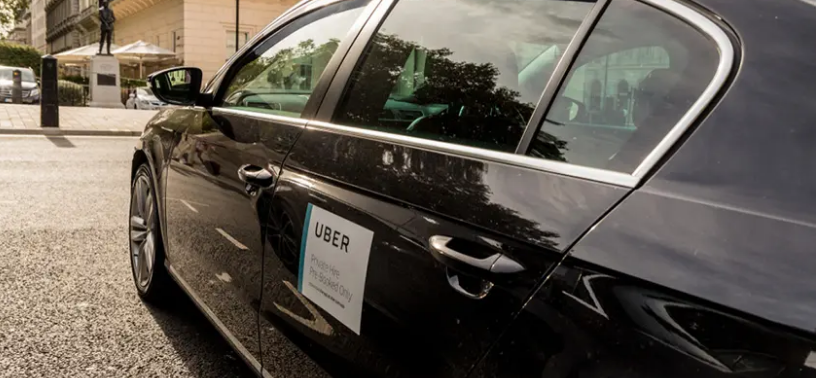
The change, announced in Chancellor Rachel Reeves’ November Budget, will directly affect companies such as Uber and Bolt, which had been using a tax scheme originally intended for tour operators to reduce their VAT obligations. Ministers say the decision will level the playing field for London’s traditional black cab drivers, though Uber has warned that passengers could face higher prices as a result.
At the heart of the dispute is the tour operators’ margin scheme, which allows eligible businesses to pay VAT only on their profit margin rather than the full value of a service. While designed for holiday and coach tour companies, ride-hailing firms have applied it to their operations, cutting their effective VAT rate to as little as 4% in some cases, compared with the standard 20% rate. Under the new rules, private hire vehicle and taxi services will no longer be eligible for the scheme.
The impact is expected to be most significant in London because Transport for London rules require ride-hailing firms to act as the principal in transactions, rather than as booking agents. Outside the capital, companies like Uber operate as agents, with VAT charged only on the commission they earn. Most drivers also fall below the VAT registration threshold, limiting their overall tax exposure. That structure is not allowed in London, leaving operators liable for VAT on the full fare.
Chancellor Reeves said the government was ending an “illegitimate” tax advantage and that the funds raised would help address the cost of living, reduce waiting lists in public services, and lower government borrowing.
The move has been welcomed by the Licensed Taxi Drivers Association. General secretary Steve McNamara described it as a “landmark step for fairness and integrity” and said drivers who pay the full VAT rate had long competed with online minicab firms benefiting from a niche tax scheme.
Uber has warned of unintended consequences. Andrew Brem, head of Uber UK, said the changes could lead to higher fares for passengers and less work for drivers, particularly at a time when many Londoners are struggling with living costs. He also criticised the creation of a two-tier system, where journeys in the capital are taxed differently from those elsewhere in the UK.
With fares expected to rise and the cost-of-living debate intensifying, the closure of the VAT loophole is likely to spark further tensions between government authorities, gig-economy platforms, and traditional taxi operators.