












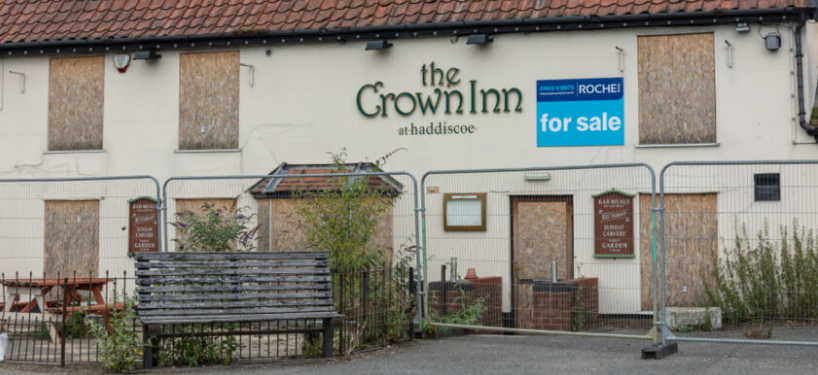
England and Wales saw an average of one pub close permanently every day in 2025, highlighting mounting pressures on Britain’s hospitality sector as costs continue to rise.
Analysis of government data by property tax specialists Ryan shows that 366 pubs were either demolished or converted to alternative uses over the year to December. The total number of pubs fell to 38,623, down from 38,989 the previous year. Unlike temporary closures, these buildings have been repurposed for housing, offices, cafés, nurseries, and other commercial uses, making a return to pub operations unlikely.
Alex Probyn, a property tax expert at Ryan, said the figures present a stark warning. “These pubs have closed permanently, not temporarily. Once a pub is demolished or converted, it almost never comes back. This should serve as a wake-up call,” he said.
Nearly 2,000 pubs have disappeared across England and Wales in the last five years, although the rate of closures has slowed compared with the height of the pandemic. All regions recorded a net loss in 2025, with the East Midlands, North West, and Yorkshire and the Humber experiencing the largest declines.
The closures have coincided with rising operating costs. Pubs faced increases to the national minimum wage and employer national insurance contributions this year, squeezing margins in a sector already operating on thin profits. Business rates are set to rise again in April 2026 when commercial properties are revalued, although the government has announced tapered relief to limit the impact.
Probyn warned that the rating system is increasingly disconnected from reality. “Many pubs survived the pandemic through resilience and community support, only to be pushed to the brink by rising costs and a tax system that no longer reflects how hard it is to trade,” he said.
Emma McClarkin, chief executive of the British Beer and Pub Association, said the scale of closures was unnecessary and preventable. “The situation is drastic. Many of these closures are the direct result of an excessive tax and business rates burden. That’s why pub-specific business rates relief has never been more vital,” she said. McClarkin added that communities risk losing important social hubs if action is not taken.
A Treasury spokesperson said recent government measures had aimed to support the hospitality sector. “The £4.3bn support package means bill increases for pubs are capped at around 4%, rather than the 45% they would have faced without intervention,” the spokesperson said. Measures cited include business rates relief, licensing reforms, alcohol duty cuts on draught beer, and a freeze on corporation tax.
Industry leaders, however, warn that these interventions are outweighed by rising wage, tax, and property costs. With 2026 approaching, pubs face a critical year, and many operators view business rates reform as the deciding factor between survival and permanent closure.
This version stays within 350–500 words, keeps the original facts,