













Bulgaria officially became the 21st member of the eurozone at midnight, adopting the euro and giving up the lev, its national currency for nearly 140 years. The switch coincided with New Year celebrations, with Bulgarian euro coins projected onto the central bank building in Sofia as citizens welcomed 2026.
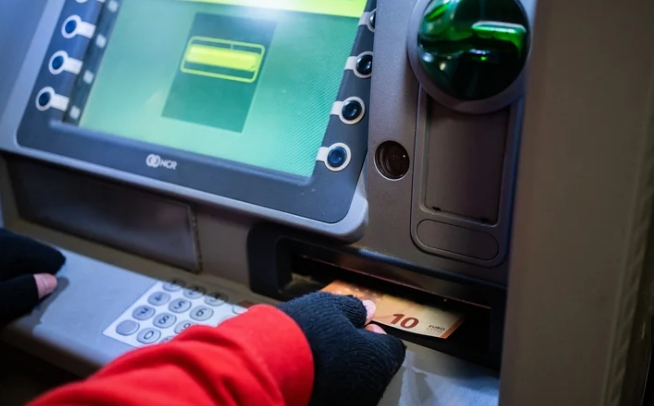
Christine Lagarde, president of the European Central Bank, greeted Bulgaria’s entry, calling the euro a “powerful symbol” of “shared values and collective strength.” Citizens were quick to test the new currency, with Dimitar, a resident of Sofia, exclaiming, “Great! It works!” after withdrawing €100 from an ATM shortly after midnight.
Successive Bulgarian governments have long pursued euro adoption, seeing it as a way to strengthen the economy, cement ties with the European Union, and reduce Russian influence. President Rumen Radev described the switch as the “final step” in Bulgaria’s EU integration, even as thousands celebrated in sub-zero temperatures. However, he expressed regret that Bulgarians had not been consulted through a referendum, describing the absence of public input as a “dramatic symptom of the deep divide between the political class and the people.”
Bulgaria has faced political turbulence in recent weeks. Anti-corruption protests toppled the conservative-led government in mid-December, leaving the country to prepare for its eighth election in five years. Many citizens voiced concerns that euro adoption could push prices higher without raising wages. At Sofia markets, vendors displayed goods in both levs and euros, reassuring shoppers that adjustment would be gradual. “The whole of Europe has managed with the euro, we’ll manage too,” said one customer.
European Commission president Ursula von der Leyen called Bulgaria’s entry into the eurozone “an important milestone,” noting benefits including easier travel, improved market transparency, and stronger trade links. Central bank governor Dimitar Radev described the euro as more than a currency, saying it symbolised “belonging.”
Despite official reassurances, public opinion remains divided. A recent Eurobarometer survey found 49% of Bulgarians oppose the switch. Outgoing Prime Minister Rossen Jeliazkov encouraged tolerance, stating inflation was not linked to euro adoption. Yet rising prices have already heightened concerns: food costs increased 5% year-on-year in November, more than double the eurozone average, according to the National Statistical Institute. Some business owners reported difficulties obtaining euro starter packages ahead of the transition.
Bulgaria joins the eurozone nearly 20 years after entering the European Union in 2007, following other recent expansions, including Croatia in 2023. With the addition of Bulgaria, more than 350 million Europeans now use the euro, marking a significant milestone in the EU’s economic integration.