










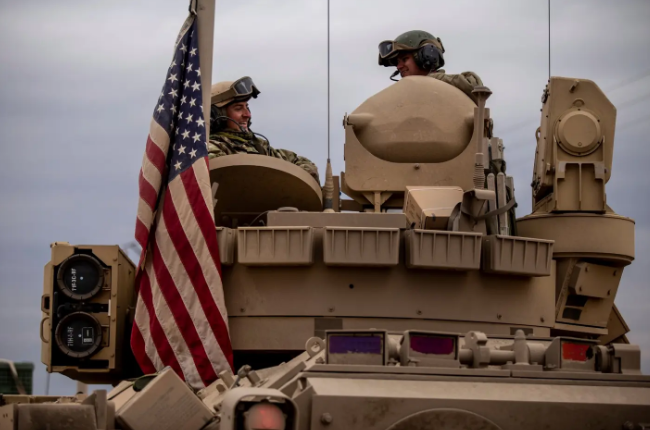
Two United States Army soldiers and an American civilian interpreter were killed in a suspected ISIS attack in Syria on Saturday, the Pentagon confirmed. Three additional U.S. troops were wounded in the incident, which occurred near Palmyra while American forces were conducting anti-ISIS operations alongside Syrian government troops.
Pentagon spokesman Sean Parnell said initial assessments indicate the attack was “likely carried out by ISIS” in an area not fully under Syrian government control. Syrian state media, however, reported that the attacker was a member of the government security forces already under investigation for potential extremist ties. Noureddine el-Baba, a Syrian Interior Ministry spokesman, told state-run Al-Ikhbariya that authorities had issued an evaluation on December 10 suggesting the individual may hold extremist views, with a formal decision on disciplinary action scheduled for Sunday. Three local officials also confirmed to Reuters that the attacker belonged to the Syrian security forces.
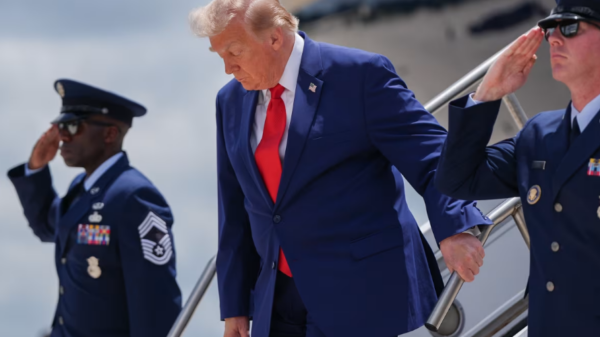
President Donald Trump paid tribute to the fallen soldiers at the White House, calling them “three great patriots.” Asked about a U.S. response, he said simply, “We will retaliate.” Defense Secretary Pete Hegseth condemned the attack and confirmed the attacker was killed by Syrian partner forces. “Let it be known, if you target Americans — anywhere in the world — you will spend the rest of your brief, anxious life knowing the United States will hunt you, find you, and ruthlessly kill you,” Hegseth wrote on X.
Syria’s state news agency reported that two Syrian military personnel were also injured during the attack. Tom Barrack, U.S. ambassador to Turkey and special envoy to Syria, echoed the condemnation and offered condolences. “We mourn the loss of three brave U.S. service members and civilian personnel and wish a speedy recovery to the Syrian troops wounded in the attack,” he said, adding that the U.S. remains committed to anti-terrorism efforts in cooperation with Syrian partners.
The attack comes just a month after a U.S.-Syria political cooperation agreement was announced during Syrian President Ahmed al-Sharaa’s visit to Washington, affirming Syria’s role in combating terrorism and supporting regional stability. The United States first deployed special operations forces to Syria in 2015 under President Barack Obama to advise Kurdish-led forces against ISIS. Around 900 U.S. troops remain in eastern Syria, continuing anti-ISIS operations, despite President Trump’s long-standing calls to withdraw forces.
Sharaa, who seized power a year ago after overthrowing longtime Syrian dictator Bashar al-Assad, rebranded his former rebel army and distanced himself from Al-Qaeda-linked groups. Trump has maintained a friendly relationship with Sharaa, who has been described as key to U.S. counterterrorism cooperation in the region.
The Pentagon has not commented on potential changes to U.S. troop deployments following Saturday’s attack, but officials stressed that American forces will continue to conduct operations against ISIS in Syria.