



















More than a million women in the United States enter menopause each year, a natural stage in aging marked by the absence of menstrual periods for 12 consecutive months. While most women experience menopause in their late 40s or early 50s—the average age in the US is 51—around 5% encounter it before age 45, known as early menopause, and about 3% experience premature menopause, which occurs before 40.
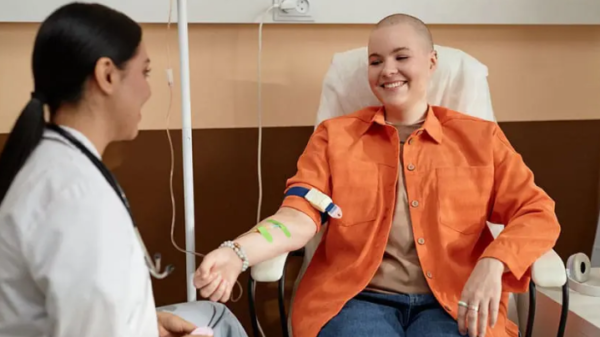
Early menopause can be triggered by factors that damage the ovaries or reduce estrogen production. Chemotherapy, pelvic radiation, hormone therapy for certain breast cancers, or surgical removal of the ovaries can all cause menopause at a younger age. Autoimmune disorders, chromosomal abnormalities, or unknown causes may also play a role.
Experts say early menopause can have far-reaching effects on physical and mental health. “People don’t know all the ways that it can affect you, and they’re taken by surprise,” says Donna Klassen, co-founder of Let’s Talk Menopause and a licensed clinical social worker. Symptoms can include mood swings, brain fog, hot flashes, night sweats, sexual dysfunction, urinary tract infections, and joint pain.
Dr. Mindy Goldman, a gynecologist at the University of San Francisco, emphasizes the broader health implications. Estrogen protects nearly every organ system, and women who undergo menopause early face a longer period without these protective effects, raising risks of heart disease, dementia, depression, and osteoporosis. Weight gain and metabolic changes can also increase susceptibility to diabetes and other health conditions.
Women who experience a sudden onset of menopause, such as after cancer treatment or surgery, may face more severe symptoms than those going through a gradual transition. “They had normal ovarian function and weren’t feeling symptoms, and then, boom, you drop them into menopause,” Goldman explains. This abrupt change can be difficult to process emotionally, especially when peers are still experiencing regular menstrual cycles or considering starting families.
The psychological impact of early menopause can be isolating. Klassen notes that women may struggle with feelings related to fertility loss, aging, and attractiveness. Dr. Monica Christmas, associate medical director of the Menopause Society, stresses that support and treatment are crucial. “There is absolutely no reason that people need to suffer,” she says, highlighting available hormonal and non-hormonal therapies.
Lifestyle changes, including diet, exercise, stress management, and mindfulness, can improve wellbeing. Support groups provide opportunities for women to connect with others experiencing similar challenges, helping reduce feelings of isolation. Christmas reassures women that early menopause does not mean accelerated aging or a decline in quality of life.
Experts say increased awareness and open conversation about early menopause are needed to help women navigate its physical and emotional challenges, underscoring that treatment, support, and proactive healthcare can mitigate long-term risks.