















The Trump Administration is under fire from lawmakers and civil liberties advocates after issuing a directive that broadens the government’s definition of domestic terrorism indicators to encompass a wide spectrum of political beliefs. Critics warn the move risks criminalizing dissent and undermining constitutional rights.
The order, titled NSPM-7, instructs the FBI’s Joint Terrorism Task Force (JTTF) to develop a national strategy to “investigate, prosecute, and disrupt” individuals and organizations deemed to be engaged in political violence. It lists ideological markers such as anti-Americanism, anti-capitalism, and anti-Christianity as potential red flags.
Supporters within the administration argue the measure is necessary to address rising threats. “The Trump Administration will get to the bottom of this vast network inciting violence in American communities,” said White House spokesperson Abigail Jackson. “The President’s executive actions will start to put an end to any illegal activities.”
But lawmakers and rights groups contend the language is overly broad. Representative Ro Khanna (D-Calif.) accused the administration of reviving “McCarthy-era tactics,” warning the order could be used to silence activists and advocacy organizations. “The rise in political violence is real, but attacking free speech is not the answer,” he said.
Civil liberties experts also expressed concern. Faiza Patel, Director of the Liberty and National Security Program at the Brennan Center, said the directive directs law enforcement to monitor activities that may be protected under the First Amendment. “It’s not an order that is directed at criminal activity or terrorism, even though it uses those words frequently,” she said.
The order also calls on the Treasury Department to disrupt financial networks linked to political violence and revoke the tax-exempt status of nonprofits found to be supporting such activities. Legal analysts have cautioned that this could expose civil rights groups, protest organizations, and donors to government scrutiny.
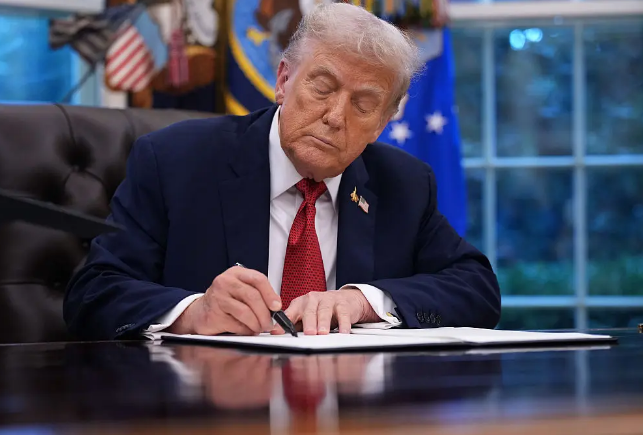
The announcement comes amid a wider push by the administration to clamp down on left-leaning groups. Last week, President Trump designated “Antifa” as a domestic terrorist organization, despite experts noting it is an ideology rather than a structured entity. White House adviser Stephen Miller described the directive as “historic and significant,” saying it marks the first all-of-government effort to dismantle “left-wing terrorism.”
Critics counter that the administration’s framing overlooks evidence showing right-wing extremists have been responsible for the majority of politically motivated violence in recent years.
The JTTF, the body tasked with enforcing the order, has previously drawn criticism for targeting protest movements and communities of color. While initially expanded in the wake of the September 11 attacks, some jurisdictions have withdrawn local police officers over concerns about civil liberties.
As the directive takes effect, debate is intensifying over whether the administration is bolstering public safety or eroding democratic freedoms.