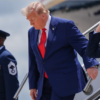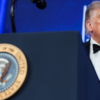




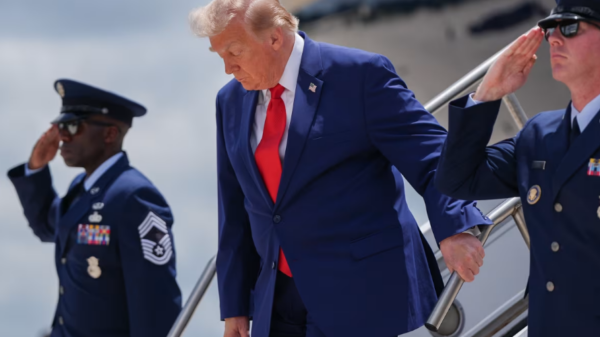
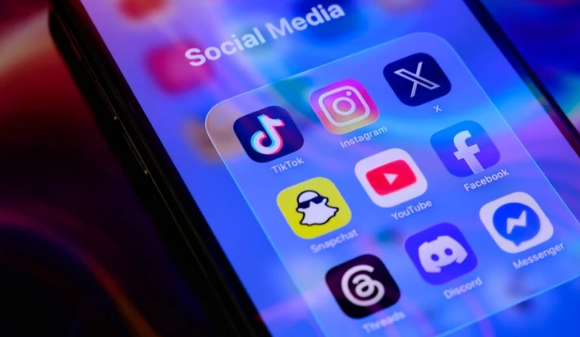







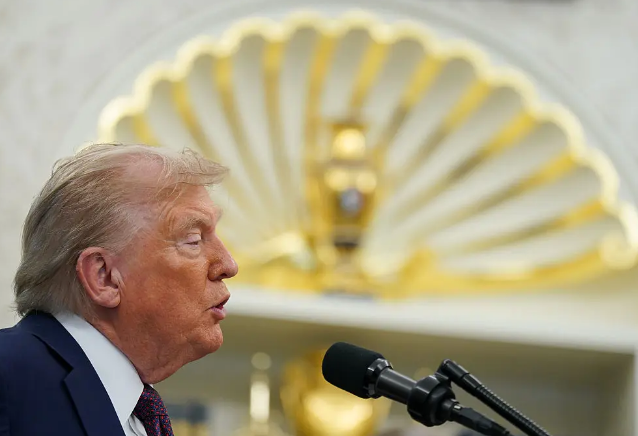
When Donald Trump appeared in the Oval Office on Tuesday, the focus of many Americans was less on his remarks and more on his appearance. Social media had been consumed for days with speculation about the President’s health, with rumors ranging from serious illness to his possible death. Viewers scrutinized his makeup, posture, and any signs of bruising, reflecting a deep skepticism built up over years of conflicting reports about Trump’s physical condition.
That skepticism is rooted in a history of unusual medical pronouncements. Earlier this year, the White House physician praised Trump’s health by citing his “frequent victories in golf events.” In 2018, then-presidential physician Dr. Ronny Jackson suggested Trump’s “great genes” might allow him to live to 200 if he ate better. During the 2016 campaign, Trump’s longtime doctor admitted that a glowing health letter was dictated by Trump himself. “I just made it up as I went along,” Dr. Harold Bornstein later said.
This backdrop has fueled conspiracy theories around recent disclosures, including the White House acknowledgment that Trump suffers from chronic venous insufficiency — cited as the cause of swelling in his legs. Visible bruising has been attributed to “big-handshake energy,” while questions about his gait surfaced after a summit with Russian President Vladimir Putin. His week-long absence from public view before Tuesday’s appearance only added to speculation that the event was designed to prove he remained in charge.
Asked directly about the rumors, Trump brushed them aside. “I didn’t see that,” he said when pressed on reports of declining health. “I didn’t hear that.” For a president acutely aware of media narratives, the dismissals did little to restore confidence.
Public trust in Trump has long been fragile. A 2017 YouGov poll found 49% of Americans viewed him as dishonest; that figure has since risen to 56%. Historians note that presidencies often falter when credibility collapses. George W. Bush faced such a turning point after Hurricane Katrina in 2005, while Joe Biden ended his re-election bid last year following a disastrous debate performance that raised concerns about his fitness.
Even some of Trump’s allies are voicing doubts. “There is obviously something going on with Trump that the White House is covering up,” far-right commentator Nick Fuentes wrote on social media, likening the situation to Biden’s decline.
The comparisons carry irony. Trump himself capitalized on questions about Hillary Clinton’s health during the 2016 campaign after she stumbled at a September 11 memorial service. Clinton’s doctor attributed it to pneumonia, but conspiracy theories persisted. On Election Day, voters expressed doubts about both candidates’ honesty — 61% for Clinton, 64% for Trump — yet Trump prevailed.
As Trump faces renewed scrutiny, the episode underscores a broader trend: Americans’ growing numbness to questions of character and credibility. Whether this latest swirl of rumors damages his political standing remains uncertain, but it reflects a presidency where appearances — and the doubts behind them — have become as significant as policy.