





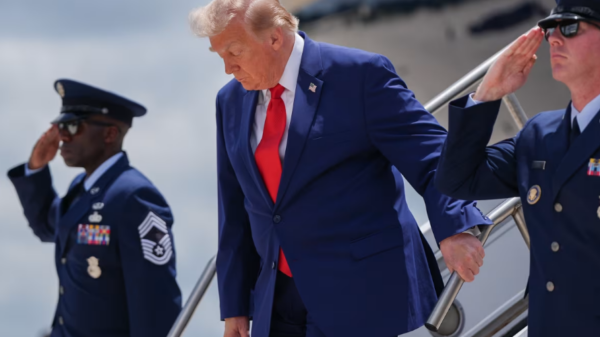









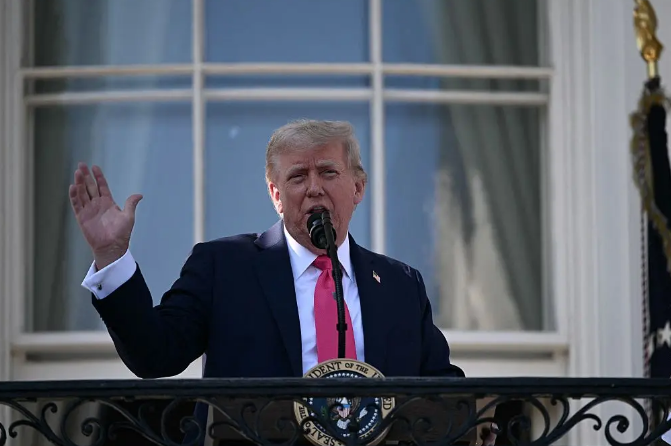
President Donald Trump signed his sweeping “Big Beautiful Bill” into law on the Fourth of July, celebrating what he called “the greatest victory yet” of his second term during a high-profile White House ceremony that featured a flyover by B-2 bombers.
The bill, which narrowly passed the House 218-214 a day earlier, marks a major policy shift with broad tax cuts, including the elimination of taxes on tips and overtime. It also slashes funding for Medicaid, food assistance programmes, and clean energy incentives. The Congressional Budget Office estimates the package will add approximately $3 trillion to the national debt.
“This is the most popular bill ever signed in the history of our country,” Trump declared before signing the legislation, flanked by Republican congressional leaders and military families.
Vice President JD Vance cast the tie-breaking vote in the Senate earlier in the week, securing final approval. Only two House Republicans—Reps. Thomas Massie of Kentucky and Brian Fitzpatrick of Pennsylvania—broke party lines to oppose the bill, joining all 212 House Democrats.
Opposition to the bill was widespread and vocal. As Trump celebrated on the South Lawn, demonstrators rallied in cities nationwide under the banner of the “Free America” protests. According to the Women’s March website, around 300 events were planned to oppose what critics describe as a transfer of power and resources to the wealthiest Americans.
The House debate was marked by Democratic Minority Leader Hakeem Jeffries’ record-breaking 8-hour, 45-minute speech in an unsuccessful attempt to delay the vote. He condemned the legislation as a “betrayal of working families” that disproportionately benefits the wealthy.
Despite significant public backlash—only 29% of voters support the bill, according to a June Quinnipiac poll—analysts say the legislation reinforces Trump’s political dominance. TIME magazine described the bill’s passage as a defining moment that demonstrated Trump’s “iron grip” over the Republican Party.
Veteran GOP pollster Whit Ayres echoed that assessment: “Trump’s control over the GOP is as close to total as any president has ever had over his own political party.”
Democrats are already preparing to make the legislation a central campaign issue heading into the 2026 midterm elections, hoping to capitalise on public discontent. Whether the bill ultimately proves to be a political liability or a legislative triumph for Trump remains to be seen—but for now, it has cemented his influence in Washington.