















Connect with us

Hi, what are you looking for?

Health

Staying Cool, Staying Healthy: Experts Warn of AC Overuse Amid Rising Summer Heat

As temperatures climb and heatwaves intensify, Americans are once again retreating indoors to escape the sweltering sun. But while air conditioning (AC) offers critical protection from extreme heat, experts warn that excessive use of climate control can carry its own health risks if not carefully managed.

Air conditioning has become a staple of modern summer living, especially in the U.S., where its widespread adoption since the 1960s has encouraged people to spend more time inside. And with good reason: AC can be life-saving. According to the CDC, heat-related deaths in the U.S. have doubled from 1999 to 2023, particularly affecting vulnerable groups such as the elderly and immunocompromised.

Beyond cooling, AC units also help filter air, reducing indoor exposure to pollutants like dust, pollen, and PM2.5—dangerous particles linked to heart and lung disease. “Every time the AC system operates, it’s pulling some particles out of the air,” says Brent Stephens, professor of environmental engineering at Illinois Institute of Technology. This makes AC especially valuable in areas affected by wildfire smoke, traffic emissions, or industrial pollution.

However, doctors and engineers caution that poorly maintained or overly dry AC environments can cause respiratory issues. “Spending too much time in air-conditioned rooms can lead to more respiratory symptoms,” says Dr. William Checkley, a pulmonary specialist at Johns Hopkins. The dry air created by overuse of AC can irritate airways, causing sore throats, congestion, and inflammation—a condition known as “sick building syndrome.”

Children and those with weakened immune systems may be particularly susceptible, as dry indoor air can weaken the lungs’ defenses against infections. Viruses also spread more easily in dry environments, similar to the effect seen during long airplane flights.

Experts recommend maintaining indoor humidity levels between 40% and 60% to avoid the twin dangers of mold (in overly damp air) and respiratory issues (in dry air). A simple tool called a hygrometer can help track humidity levels.

Regular AC maintenance is also essential. Dirty filters can circulate mold, bacteria, and allergens throughout a home. Experts advise replacing filters every one to two months during peak use and investing in filters with MERV ratings of 11 or 13 for optimal air quality.

Additionally, while AC filters trap particles, they do not eliminate volatile organic compounds (VOCs)—gases released by household products like furniture, cleaners, and air fresheners. These chemicals can irritate the respiratory system and disrupt indoor microbial balance. For this reason, experts suggest using air purifiers to complement AC systems and improve indoor air quality.

As summer heat becomes more extreme, AC remains a critical tool. But with proper maintenance and balanced use, it can protect both comfort and health.

Business

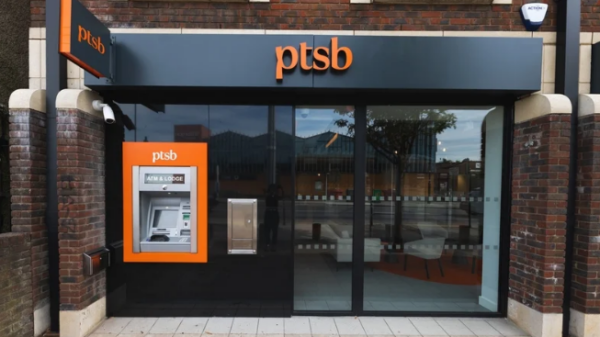
Fraudsters are increasingly using AI-generated images and videos to trick people into handing over sensitive personal and financial information, according to FraudSMART, the financial crime awareness initiative operated by the Banking and Payments Federation Ireland (BPFI). The organisation has reported a rise in online adverts promoting fake, State-backed investment schemes. These scams often use fabricated images of well-known politicians and business figures to make the offers appear legitimate and encourage users to click on registration links. Niamh Davenport, head of financial crime at BPFI, said scammers are deliberately exploiting recent media coverage of a planned State-backed savings and investment scheme to give their frauds a sense of credibility. “They often claim the scheme is open to everyone, but that places are limited and being ‘snapped up’ fast, in order to pressure people to act quickly,” she said. “They typically promise guaranteed returns or a guaranteed monthly income.” FraudSMART said that while anyone can be targeted, people in their early 50s are particularly vulnerable to investment scams. This age group is often focused on retirement planning, making them more receptive to financial offers that appear secure or high-yield. According to the organisation, most scams follow a similar pattern. Victims are first directed to click a registration link and complete a short online form providing their contact details. They are then contacted by someone posing as a financial adviser, who urges them to make an immediate “security deposit” to secure participation in the scheme. Once a payment is made, the money is quickly moved through multiple accounts, often overseas, making recovery extremely difficult. Davenport warned that scammers are becoming more sophisticated in their use of technology, particularly AI tools that allow them to create realistic but entirely fake promotional content. These materials are designed to mimic legitimate financial advertisements and build trust with potential victims. Recent figures from An Garda Síochána show investment fraud rose by 20% last year, with losses exceeding €20 million. The scale of individual scams varies widely, ranging from smaller crypto-related frauds involving a few hundred euro to large-scale investment schemes where victims lose tens of thousands. FraudSMART is urging the public to remain cautious when encountering online investment advertisements, especially those promising guaranteed returns or requiring urgent action. It also advises consumers to avoid sharing personal information with unverified sources and to be wary of pressure tactics designed to rush financial decisions. Authorities continue to warn that fraudsters are adapting quickly, using advanced digital tools to target victims across multiple platforms.

Trending

Business

Fraudsters are increasingly using AI-generated images and videos to trick people into handing over sensitive personal and financial information, according to FraudSMART, the financial crime awareness initiative operated by the Banking and Payments Federation Ireland (BPFI). The organisation has reported a rise in online adverts promoting fake, State-backed investment schemes. These scams often use fabricated images of well-known politicians and business figures to make the offers appear legitimate and encourage users to click on registration links. Niamh Davenport, head of financial crime at BPFI, said scammers are deliberately exploiting recent media coverage of a planned State-backed savings and investment scheme to give their frauds a sense of credibility. “They often claim the scheme is open to everyone, but that places are limited and being ‘snapped up’ fast, in order to pressure people to act quickly,” she said. “They typically promise guaranteed returns or a guaranteed monthly income.” FraudSMART said that while anyone can be targeted, people in their early 50s are particularly vulnerable to investment scams. This age group is often focused on retirement planning, making them more receptive to financial offers that appear secure or high-yield. According to the organisation, most scams follow a similar pattern. Victims are first directed to click a registration link and complete a short online form providing their contact details. They are then contacted by someone posing as a financial adviser, who urges them to make an immediate “security deposit” to secure participation in the scheme. Once a payment is made, the money is quickly moved through multiple accounts, often overseas, making recovery extremely difficult. Davenport warned that scammers are becoming more sophisticated in their use of technology, particularly AI tools that allow them to create realistic but entirely fake promotional content. These materials are designed to mimic legitimate financial advertisements and build trust with potential victims. Recent figures from An Garda Síochána show investment fraud rose by 20% last year, with losses exceeding €20 million. The scale of individual scams varies widely, ranging from smaller crypto-related frauds involving a few hundred euro to large-scale investment schemes where victims lose tens of thousands. FraudSMART is urging the public to remain cautious when encountering online investment advertisements, especially those promising guaranteed returns or requiring urgent action. It also advises consumers to avoid sharing personal information with unverified sources and to be wary of pressure tactics designed to rush financial decisions. Authorities continue to warn that fraudsters are adapting quickly, using advanced digital tools to target victims across multiple platforms.

You May Also Like

Politics

WASHINGTON — The Pentagon announced on Sunday that the United States will send a Terminal High Altitude Area Defense (THAAD) battery to Israel, alongside...

Health

NEW YORK — Teen smoking in the United States has reached an all-time low in 2024, with significant declines in overall youth tobacco use,...

Politics

WASHINGTON — As the countdown to the November 5 presidential election continues, former President Donald Trump is urging his supporters to aim for a...

Politics

In September, NASA announced that summer 2024 was the hottest on record. Just days later, the U.S. faced the dual impact of Hurricanes Helene...