



















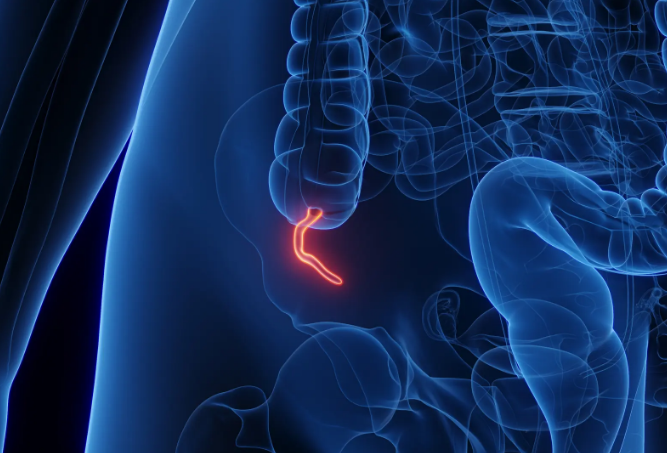
A new study has found a sharp rise in cases of appendix cancer among younger adults, particularly millennials, raising concerns that this rare form of cancer is following the troubling trend of other early-onset cancers, such as colon, breast, and pancreatic cancers.
Published in the Annals of Internal Medicine, the study from researchers at Vanderbilt University Medical Center reveals that appendix cancer rates have surged significantly among people born after 1945, with the steepest increases seen in those born in the 1980s.
Lead researcher Andreana Holowatyj, assistant professor of hematology and oncology, and her team analysed decades of data from the National Cancer Institute’s Surveillance, Epidemiology, and End Results (SEER) program. Their goal was to examine generational shifts in cancer incidence and determine whether appendix cancer was also rising among younger populations.
The findings were striking. Rates of appendix cancer tripled among those born in 1980 and quadrupled among those born in 1985, compared to people born in 1945. Holowatyj noted that the trend persisted across all birth cohorts after 1945. Importantly, the overall rate of appendectomies remained stable during the study period, suggesting that the increase was not due to more surgeries uncovering incidental cases.
“We don’t know yet what specific risk factors are driving this rise,” Holowatyj said. “But the fact that we’re seeing this growth in younger generations suggests that environmental or lifestyle factors might be contributing.”
She pointed to a combination of rising obesity rates, metabolic syndrome, and potential environmental exposures as likely contributors. “It’s probably not a single cause,” she said. “The challenge now is to identify the exposures, understand the molecular changes they cause, and learn how those changes may increase cancer risk.”
While appendix cancer remains rare compared to other gastrointestinal cancers, Holowatyj emphasised that awareness is crucial. Many cases are diagnosed only after the cancer has already spread, partly because its symptoms—such as bloating, changes in bowel habits, and loss of appetite—are often vague and overlooked.
“Half of appendix cancers are found at an advanced stage,” she said. “That’s why we need both clinicians and the public to take persistent symptoms seriously.”
The researchers hope their findings will prompt further studies into the causes of appendix cancer and improve early detection. As Holowatyj noted, “Individuals know their bodies best. If something doesn’t feel right, don’t ignore it.”