













Connect with us

Hi, what are you looking for?

Health

Living with Long COVID: A Teen’s Journey to Recovery and Resilience

In January 2022, a simple math problem in algebra class led to a moment that would change 14-year-old Sarah’s life forever. Overwhelmed by fatigue, brain fog, and physical discomfort, Sarah realized something was wrong. Just weeks earlier, she had contracted COVID-19, and since then, even basic tasks like reading and standing had become monumental challenges. Months of doctor visits eventually resulted in a diagnosis of Long COVID, marking the beginning of a difficult journey toward recovery.

Reflecting on her experience two years later, Sarah reports that she is now about 85% recovered. While she can attend a full day of school, she still grapples with brain fog and fatigue during intense projects or when feeling unwell. Through this journey, she has gained valuable insights about living with an invisible illness and the importance of support from friends and family.

Sarah has learned several critical lessons during her recovery:

1. Letting Go is Not Failure:
Before her diagnosis, Sarah thrived on pushing herself academically and athletically. However, she soon realized that this mindset only exacerbated her symptoms. Recognizing the need for change, she made the difficult decision to drop half of her classes, feeling as though she had lost a part of herself. Yet, this reduction in workload allowed her body the space it needed to heal. “Slowing down isn’t quitting—it’s survival,” she says.

2. Small Victories Matter:
Adjusting to a new definition of success was challenging for Sarah, who was accustomed to setting ambitious goals. With chronic illness, however, even minor achievements became significant milestones. Rather than focusing on straight A’s or competitive swimming, she celebrated simply getting out of bed and attending classes.

3. You Can’t Push Through It:
Sarah learned that sheer willpower wouldn’t help her overcome her illness. The more she tried to push herself, the worse she felt. Respecting her body’s limits became essential to her healing process.

4. Invisible Illnesses are Isolating:
Living with an invisible illness often led to misunderstandings. Friends and teachers assumed that Sarah had lost interest in her studies or friendships, contributing to her feelings of isolation. However, those who reached out and offered support became her most cherished allies.

5. Healing Isn’t Linear:
Sarah discovered that recovery from chronic illness is not a straight path. Some days she felt strong, while others left her drained. She emphasized that low-energy days do not reflect a lack of effort; they are simply part of the healing journey.

6. Relapse Anxiety Can Be Paralyzing:
Even as her symptoms improved, Sarah found herself anxious about potential relapses. This fear sometimes held her back from fully engaging in school and activities she loved. She reminded herself that gradual progress was sufficient and that she didn’t need to rush back to her previous “normal.”

Ultimately, Sarah reflects on how living with chronic illness has made her mentally stronger. It has forced her to slow down, reevaluate her understanding of success, and develop a deeper awareness of herself and the world around her. Through her experience, she hopes to inspire others navigating similar challenges to find strength and resilience in their journeys.


Business

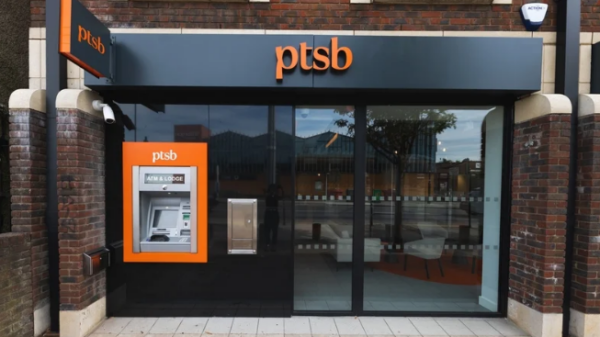
Fraudsters are increasingly using AI-generated images and videos to trick people into handing over sensitive personal and financial information, according to FraudSMART, the financial crime awareness initiative operated by the Banking and Payments Federation Ireland (BPFI). The organisation has reported a rise in online adverts promoting fake, State-backed investment schemes. These scams often use fabricated images of well-known politicians and business figures to make the offers appear legitimate and encourage users to click on registration links. Niamh Davenport, head of financial crime at BPFI, said scammers are deliberately exploiting recent media coverage of a planned State-backed savings and investment scheme to give their frauds a sense of credibility. “They often claim the scheme is open to everyone, but that places are limited and being ‘snapped up’ fast, in order to pressure people to act quickly,” she said. “They typically promise guaranteed returns or a guaranteed monthly income.” FraudSMART said that while anyone can be targeted, people in their early 50s are particularly vulnerable to investment scams. This age group is often focused on retirement planning, making them more receptive to financial offers that appear secure or high-yield. According to the organisation, most scams follow a similar pattern. Victims are first directed to click a registration link and complete a short online form providing their contact details. They are then contacted by someone posing as a financial adviser, who urges them to make an immediate “security deposit” to secure participation in the scheme. Once a payment is made, the money is quickly moved through multiple accounts, often overseas, making recovery extremely difficult. Davenport warned that scammers are becoming more sophisticated in their use of technology, particularly AI tools that allow them to create realistic but entirely fake promotional content. These materials are designed to mimic legitimate financial advertisements and build trust with potential victims. Recent figures from An Garda Síochána show investment fraud rose by 20% last year, with losses exceeding €20 million. The scale of individual scams varies widely, ranging from smaller crypto-related frauds involving a few hundred euro to large-scale investment schemes where victims lose tens of thousands. FraudSMART is urging the public to remain cautious when encountering online investment advertisements, especially those promising guaranteed returns or requiring urgent action. It also advises consumers to avoid sharing personal information with unverified sources and to be wary of pressure tactics designed to rush financial decisions. Authorities continue to warn that fraudsters are adapting quickly, using advanced digital tools to target victims across multiple platforms.

Trending

Business

Fraudsters are increasingly using AI-generated images and videos to trick people into handing over sensitive personal and financial information, according to FraudSMART, the financial crime awareness initiative operated by the Banking and Payments Federation Ireland (BPFI). The organisation has reported a rise in online adverts promoting fake, State-backed investment schemes. These scams often use fabricated images of well-known politicians and business figures to make the offers appear legitimate and encourage users to click on registration links. Niamh Davenport, head of financial crime at BPFI, said scammers are deliberately exploiting recent media coverage of a planned State-backed savings and investment scheme to give their frauds a sense of credibility. “They often claim the scheme is open to everyone, but that places are limited and being ‘snapped up’ fast, in order to pressure people to act quickly,” she said. “They typically promise guaranteed returns or a guaranteed monthly income.” FraudSMART said that while anyone can be targeted, people in their early 50s are particularly vulnerable to investment scams. This age group is often focused on retirement planning, making them more receptive to financial offers that appear secure or high-yield. According to the organisation, most scams follow a similar pattern. Victims are first directed to click a registration link and complete a short online form providing their contact details. They are then contacted by someone posing as a financial adviser, who urges them to make an immediate “security deposit” to secure participation in the scheme. Once a payment is made, the money is quickly moved through multiple accounts, often overseas, making recovery extremely difficult. Davenport warned that scammers are becoming more sophisticated in their use of technology, particularly AI tools that allow them to create realistic but entirely fake promotional content. These materials are designed to mimic legitimate financial advertisements and build trust with potential victims. Recent figures from An Garda Síochána show investment fraud rose by 20% last year, with losses exceeding €20 million. The scale of individual scams varies widely, ranging from smaller crypto-related frauds involving a few hundred euro to large-scale investment schemes where victims lose tens of thousands. FraudSMART is urging the public to remain cautious when encountering online investment advertisements, especially those promising guaranteed returns or requiring urgent action. It also advises consumers to avoid sharing personal information with unverified sources and to be wary of pressure tactics designed to rush financial decisions. Authorities continue to warn that fraudsters are adapting quickly, using advanced digital tools to target victims across multiple platforms.

You May Also Like

Politics

WASHINGTON — The Pentagon announced on Sunday that the United States will send a Terminal High Altitude Area Defense (THAAD) battery to Israel, alongside...

Health

NEW YORK — Teen smoking in the United States has reached an all-time low in 2024, with significant declines in overall youth tobacco use,...

Politics

WASHINGTON — As the countdown to the November 5 presidential election continues, former President Donald Trump is urging his supporters to aim for a...

Politics

In September, NASA announced that summer 2024 was the hottest on record. Just days later, the U.S. faced the dual impact of Hurricanes Helene...