


















Connect with us

Hi, what are you looking for?

Katherine Grainger
Katherine Grainger

Sports

UK Sport’s Katherine Grainger: ‘There’s No Reacting to Results … It’s a Far Healthier Conversation Than That’

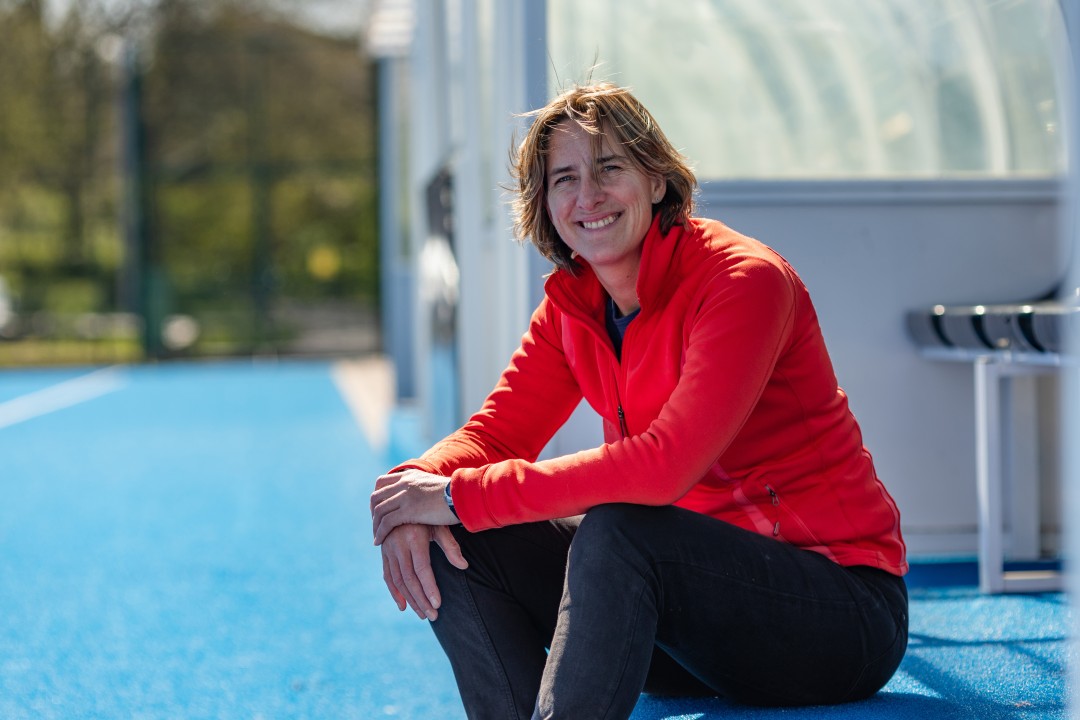
London, UK – As the landscape of elite sport evolves, so too does the approach to nurturing talent and success. Katherine Grainger, the chair of UK Sport and one of Britain’s most decorated Olympians, has been instrumental in driving this change. In a recent interview, Grainger outlined the organization’s commitment to fostering a culture of long-term development rather than short-term reactionary measures.

Since taking on her role at UK Sport, Grainger has championed a more holistic approach to managing the pressures and expectations placed on athletes. “There’s no reacting to results,” Grainger explained, emphasizing the need for a broader perspective. “It’s a far healthier conversation than that.”

This philosophy marks a significant shift from the traditional focus on immediate outcomes. Historically, the success of athletes and teams has been judged almost exclusively by their performance in key events, such as the Olympics or World Championships. However, Grainger and her team are working to ensure that the support provided by UK Sport is more nuanced, considering the overall well-being and development of athletes, as well as their competitive achievements.

Under Grainger’s leadership, UK Sport has placed a stronger emphasis on mental health, personal development, and the importance of creating a sustainable environment where athletes can thrive both during and after their careers. This approach is seen as essential in an era where the mental and emotional toll of elite sport is increasingly recognized.

“The pressure to perform at the highest level can be immense,” Grainger said. “But we need to make sure that we are supporting our athletes in every aspect of their lives, not just focusing on the medals. It’s about building resilience, providing them with the tools they need to succeed in all areas, and ensuring they feel valued as people, not just as athletes.”

This shift has also been reflected in the way UK Sport measures success. While winning remains a key objective, the organization now looks at a broader set of criteria when assessing the impact of its programs. This includes the development of future talent, the well-being of athletes, and the long-term sustainability of sports programs.

Grainger’s approach has been met with widespread support from within the sporting community. Many athletes and coaches have praised the new focus on well-being and development, noting that it has created a more positive and supportive environment. “It’s a breath of fresh air,” said one coach. “It feels like we’re finally having the right conversations about what it means to support our athletes.”

As UK Sport continues to implement this strategy, Grainger is optimistic about the future of British sport. “We’re in a good place,” she said. “There’s always work to be done, but I believe we’re moving in the right direction. It’s about staying focused on our long-term goals and ensuring that we’re doing everything we can to support our athletes.”

With the Paris 2024 Olympics on the horizon, the pressure will undoubtedly intensify, but under Grainger’s leadership, UK Sport is determined to maintain its commitment to a healthier, more sustainable approach to success. The message is clear: it’s not just about the results; it’s about the journey and ensuring that every athlete is given the opportunity to succeed in a supportive environment.

This progressive mindset could well set the tone for the future of elite sport in the UK, making Katherine Grainger’s tenure at UK Sport not just impactful but potentially transformative.


Business

Fraudsters are increasingly using AI-generated images and videos to trick people into handing over sensitive personal and financial information, according to FraudSMART, the financial crime awareness initiative operated by the Banking and Payments Federation Ireland (BPFI). The organisation has reported a rise in online adverts promoting fake, State-backed investment schemes. These scams often use fabricated images of well-known politicians and business figures to make the offers appear legitimate and encourage users to click on registration links. Niamh Davenport, head of financial crime at BPFI, said scammers are deliberately exploiting recent media coverage of a planned State-backed savings and investment scheme to give their frauds a sense of credibility. “They often claim the scheme is open to everyone, but that places are limited and being ‘snapped up’ fast, in order to pressure people to act quickly,” she said. “They typically promise guaranteed returns or a guaranteed monthly income.” FraudSMART said that while anyone can be targeted, people in their early 50s are particularly vulnerable to investment scams. This age group is often focused on retirement planning, making them more receptive to financial offers that appear secure or high-yield. According to the organisation, most scams follow a similar pattern. Victims are first directed to click a registration link and complete a short online form providing their contact details. They are then contacted by someone posing as a financial adviser, who urges them to make an immediate “security deposit” to secure participation in the scheme. Once a payment is made, the money is quickly moved through multiple accounts, often overseas, making recovery extremely difficult. Davenport warned that scammers are becoming more sophisticated in their use of technology, particularly AI tools that allow them to create realistic but entirely fake promotional content. These materials are designed to mimic legitimate financial advertisements and build trust with potential victims. Recent figures from An Garda Síochána show investment fraud rose by 20% last year, with losses exceeding €20 million. The scale of individual scams varies widely, ranging from smaller crypto-related frauds involving a few hundred euro to large-scale investment schemes where victims lose tens of thousands. FraudSMART is urging the public to remain cautious when encountering online investment advertisements, especially those promising guaranteed returns or requiring urgent action. It also advises consumers to avoid sharing personal information with unverified sources and to be wary of pressure tactics designed to rush financial decisions. Authorities continue to warn that fraudsters are adapting quickly, using advanced digital tools to target victims across multiple platforms.

Trending

Business

Fraudsters are increasingly using AI-generated images and videos to trick people into handing over sensitive personal and financial information, according to FraudSMART, the financial crime awareness initiative operated by the Banking and Payments Federation Ireland (BPFI). The organisation has reported a rise in online adverts promoting fake, State-backed investment schemes. These scams often use fabricated images of well-known politicians and business figures to make the offers appear legitimate and encourage users to click on registration links. Niamh Davenport, head of financial crime at BPFI, said scammers are deliberately exploiting recent media coverage of a planned State-backed savings and investment scheme to give their frauds a sense of credibility. “They often claim the scheme is open to everyone, but that places are limited and being ‘snapped up’ fast, in order to pressure people to act quickly,” she said. “They typically promise guaranteed returns or a guaranteed monthly income.” FraudSMART said that while anyone can be targeted, people in their early 50s are particularly vulnerable to investment scams. This age group is often focused on retirement planning, making them more receptive to financial offers that appear secure or high-yield. According to the organisation, most scams follow a similar pattern. Victims are first directed to click a registration link and complete a short online form providing their contact details. They are then contacted by someone posing as a financial adviser, who urges them to make an immediate “security deposit” to secure participation in the scheme. Once a payment is made, the money is quickly moved through multiple accounts, often overseas, making recovery extremely difficult. Davenport warned that scammers are becoming more sophisticated in their use of technology, particularly AI tools that allow them to create realistic but entirely fake promotional content. These materials are designed to mimic legitimate financial advertisements and build trust with potential victims. Recent figures from An Garda Síochána show investment fraud rose by 20% last year, with losses exceeding €20 million. The scale of individual scams varies widely, ranging from smaller crypto-related frauds involving a few hundred euro to large-scale investment schemes where victims lose tens of thousands. FraudSMART is urging the public to remain cautious when encountering online investment advertisements, especially those promising guaranteed returns or requiring urgent action. It also advises consumers to avoid sharing personal information with unverified sources and to be wary of pressure tactics designed to rush financial decisions. Authorities continue to warn that fraudsters are adapting quickly, using advanced digital tools to target victims across multiple platforms.

You May Also Like

Politics

WASHINGTON — The Pentagon announced on Sunday that the United States will send a Terminal High Altitude Area Defense (THAAD) battery to Israel, alongside...

Health

NEW YORK — Teen smoking in the United States has reached an all-time low in 2024, with significant declines in overall youth tobacco use,...

Politics

WASHINGTON — As the countdown to the November 5 presidential election continues, former President Donald Trump is urging his supporters to aim for a...

Politics

In September, NASA announced that summer 2024 was the hottest on record. Just days later, the U.S. faced the dual impact of Hurricanes Helene...