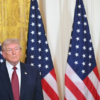




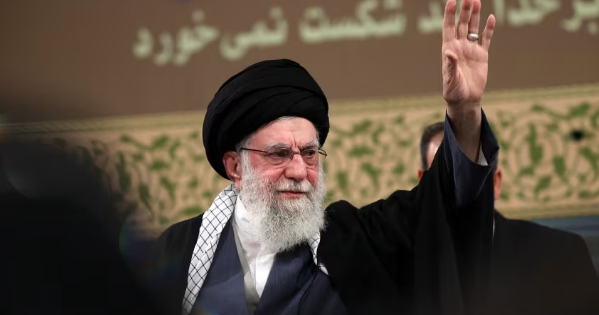











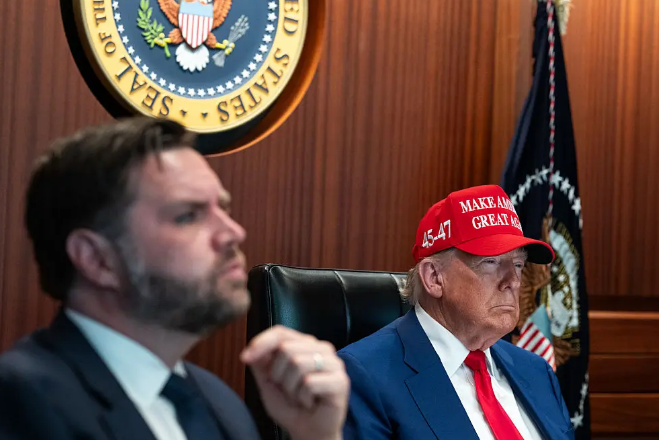
A week of abrupt and conflicting statements from President Donald Trump over the escalating conflict between Israel and Iran has sparked renewed debate over the direction of U.S. foreign policy. Now, Vice President J.D. Vance is offering a clearer framework for what he calls the “Trump Doctrine,” describing it as a bold departure from traditional diplomacy that prioritizes decisive military strength.
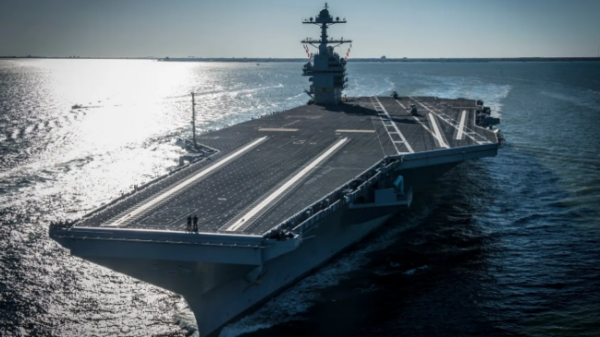
The turmoil began with the U.S. initially denying involvement in Israel’s airstrikes on Iran. Days later, Trump publicly claimed credit for the attacks, rejected any immediate ceasefire efforts, and stated he would take two weeks to decide on further military action. That timeline shrank quickly. Within 48 hours, U.S. forces struck Iranian nuclear facilities. Another two days later, Trump declared a ceasefire, only to suggest regime change in Tehran might be on the table—before reversing course again by warning that toppling governments leads to “chaos.”
Supporters describe Trump’s approach as deliberate strategic ambiguity, while critics label it inconsistent and dangerous. Yet according to Vice President Vance, there is a method behind what many see as chaos.
Speaking at the Ohio Republican Dinner on Tuesday, Vance outlined the three pillars of what he termed the “Trump Doctrine”: define a clear American interest, pursue a diplomatic solution aggressively, and if diplomacy fails, apply overwhelming military force swiftly—followed by a quick exit.
“The Trump Doctrine is peace through strength, applied with clarity and speed,” Vance said, emphasizing that the U.S. should avoid prolonged entanglements abroad.
Vance’s remarks mark one of the most explicit articulations of a presidential foreign policy vision since the days of the Monroe Doctrine, which sought to limit European interference in the Western Hemisphere. While past presidents, including George W. Bush and Barack Obama, were associated with particular foreign-policy outlooks—military interventionism and cautious realism, respectively—Trump’s evolving and at times contradictory moves have been harder to define.
Political observers say Vance’s framing is an attempt to provide coherence to Trump’s recent decisions in the Middle East and to draw contrast with previous administrations. Trump’s critics remain skeptical, pointing to the volatile swings in messaging and action, particularly in the Iran crisis.