

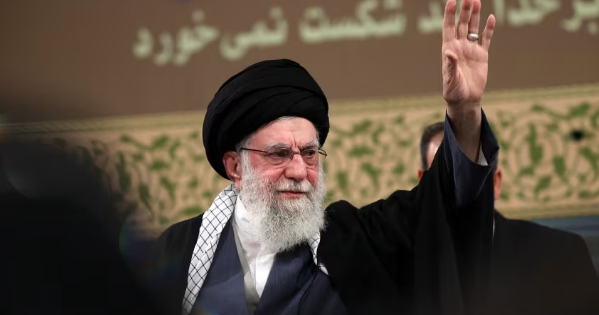









For months, Israeli and American intelligence agencies, including the CIA, had been closely monitoring Iran’s Supreme Leader Ayatollah Ali Khamenei, seeking the right moment to act. Officials tracked his daily routines, his meetings, and his movements, while also keeping tabs on senior Iranian political and military leaders who rarely gathered in the same location as Khamenei, according to sources familiar with the operation.
The opportunity arose when top Iranian officials planned to meet on Saturday morning at separate sites within a Tehran compound that houses Khamenei’s offices, the presidency, and the national security apparatus. Israeli and US intelligence saw a chance to act and shifted plans for a pre-dawn assault to a daylight strike, sources said.
Around 6 a.m. Israeli time, Israeli warplanes, equipped with precision munitions, struck the compound, hitting all three sites simultaneously. Hours later, former US President Donald Trump announced Khamenei’s death on social media, describing it as the result of “Intelligence and Highly Sophisticated Tracking Systems” that left the supreme leader and other Iranian officials unable to evade the strikes.
The identities of the Iranian leaders killed alongside Khamenei include high-ranking military and intelligence figures, such as the commander of the Islamic Revolutionary Guard Corps, the defense minister, and senior aides who were present at the compound. It remains unclear who will replace them.
The operation highlighted the depth of Israeli and American intelligence inside Iran. An Israeli military official said such an operation required extensive coordination, connecting multiple elements to ensure success. Israel has previously targeted high-level Iranian military and nuclear officials, but never the supreme leader.
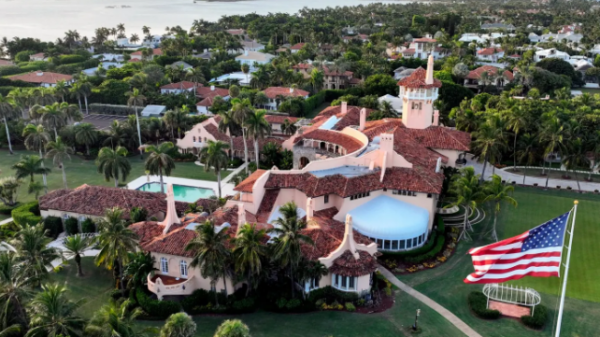
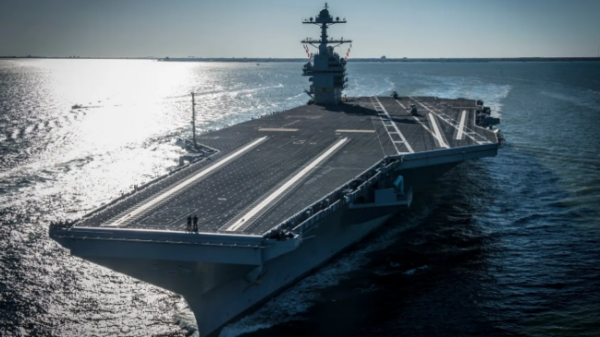
Planning for the strikes intensified after a series of events, including massive protests inside Iran and reports that the country was advancing its ballistic missile and nuclear programs. In late December, Israeli Prime Minister Benjamin Netanyahu briefed Trump at Mar-a-Lago, urging renewed action. While diplomatic efforts continued to explore a nuclear deal, US and Israeli officials prepared militarily, deploying two aircraft carriers and hundreds of support aircraft and vessels to the region.
Trump consulted with senior Republican leaders, including Senators Ted Cruz and John Cornyn, before authorizing the operation. He described the decision as difficult, acknowledging the risks and uncertainties involved.
The attack has sent shockwaves through the Middle East, raising questions about potential retaliation, regional stability, and the future of Iran’s leadership. Officials on both sides say the operation demonstrates the effectiveness of coordinated intelligence and military planning between the United States and Israel.
For months, Israeli and American intelligence agencies — including the CIA — had been secretly watching Iran’s Ayatollah Ali Khamenei for just the right moment, underscoring the extensive preparation behind the strike and the high stakes of the mission.