












Millions of Americans could be left without heat this winter as the ongoing U.S. government shutdown stalls the release of critical federal energy assistance funds, raising concerns about the wellbeing of vulnerable households across the country.
The Low-Income Home Energy Assistance Program (LIHEAP), a federal initiative that helps low-income families pay for heating and cooling costs, is among the programs caught in the budget deadlock. Without new funding, local agencies that administer the program may not be able to distribute aid in time for the cold season.
In Pennsylvania, state officials have already announced a one-month delay to the program’s usual November 3 start date. The Pennsylvania Department of Human Services said the delay was due to the federal shutdown, leaving thousands without access to financial aid as temperatures begin to fall. The state’s utility shutoff moratorium, which prevents companies from cutting power during winter, does not begin until December 1—creating a critical gap for many residents.
“This year, more Pennsylvanians are facing energy shutoffs than before,” said Elizabeth Marx, executive director of the Pennsylvania Utility Law Project. “Bills have risen anywhere from 5% to 40% this year.” She added that from January to August alone, more than 280,000 state residents saw their gas, electricity, or water service terminated—up 15% from last year.
New York’s LIHEAP rollout has also been delayed until mid-November, according to Governor Kathy Hochul.
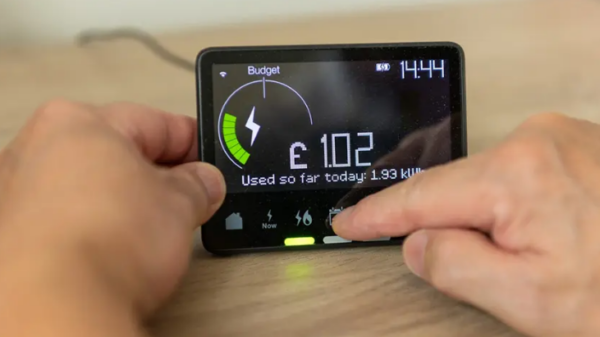
The National Energy Assistance Directors Association (NEADA) warned that the price of electricity and natural gas could rise at twice the rate of inflation this winter, with home heating costs expected to climb 7.6% compared to last year. Rising demand from energy-hungry data centers and ongoing utility rate hikes are adding further pressure.
“Energy insecurity and the threat of disconnection are becoming a bigger problem for low-income households,” said Uma Outka, an energy law professor at the University of Kansas. “These families can spend up to 30% of their income just on energy.”
Even if Congress passes a temporary funding measure, experts say the aid may not arrive in time. “It takes at least four to six weeks to get the money out,” said Mark Wolfe, NEADA’s executive director. “State plans have to be approved and funding formulas run—it all takes time.”
Delays could be worsened by staffing shortages at the Department of Health and Human Services (HHS) after the Trump administration dismissed the entire LIHEAP team earlier this year. “Without that central authority, there’s no one to push the process forward,” Wolfe added.
While some states like Massachusetts can rely on leftover funds from last year, most will soon face shortfalls. Local advocates warn that the absence of federal aid could have widespread effects. “The program helps stabilize prices for everyone,” said Joe Diamond, head of MASSCAP. “If bills go unpaid due to LIHEAP delays, prices could rise across the board.”
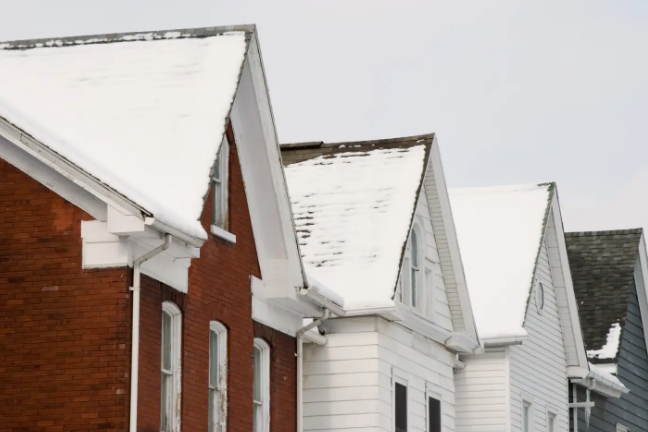
Advocates are urging utilities to suspend shutoffs until federal funding resumes. “We’re going to have a lot of people in November without heat,” Marx warned. “Being without heat in Pennsylvania—or anywhere in the North—at this time of year is dangerous.”