
















Connect with us

Hi, what are you looking for?

Politics

Trump’s Tariff Blitz Threatens U.S. Electric Vehicle Market and Growth

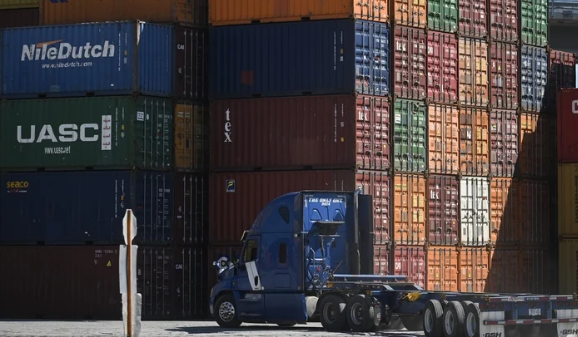
The Trump administration’s aggressive tariff policies are sending shockwaves through multiple sectors of the global economy, with the electric vehicle (EV) industry facing particular challenges. These tariffs are adding additional costs to an already volatile transition to electric mobility in the United States.

Current State of EV Adoption in the U.S.

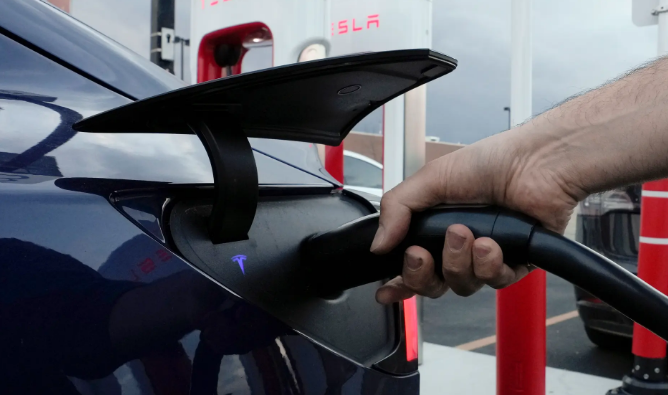
As of 2024, electric vehicles accounted for approximately 8% of new car sales in the U.S., according to Motorintelligence.com. This growth can be partially attributed to expanded tax credits introduced under the Biden administration, which incentivized consumers to buy EVs. Tesla dominated the U.S. EV market with a 48% share, though this figure has been declining as other brands, such as Ford (7.5%), Chevrolet (5.2%), and Hyundai (4.7%), introduce more affordable and diverse electric models, as reported by Kelley Blue Book.

However, EVs remain more expensive than their gasoline-powered counterparts. The average price for a new gasoline vehicle was $48,039 last month, while EVs sold for an average of $55,273. The imposition of tariffs only exacerbates these costs, which are already a concern for consumers and manufacturers alike.

Challenges in U.S. EV Manufacturing

Biden’s tax credits are designed to encourage automakers to source more of their EV components from the U.S. or trade allies, but the supply chain for electric vehicles has proven difficult to establish. While some models, like the Tesla electric cars and Ford F-150 Lightning, are assembled in the U.S., much of the essential materials, including critical minerals for batteries, still come from China and other countries. This leaves U.S. manufacturers vulnerable to tariff-induced price increases.

The broader issue for automakers is the high cost of electrification, which has led many companies to scale back their ambitious EV plans. Automakers are already grappling with limited federal support for EV production and struggling to make EVs profitable. Despite these challenges, automakers continue to invest in electrification, albeit at a reduced scale.

Impact on EV Pricing and Inventory

The added tariffs could push consumers to consider the used car market, but limited availability of used electric vehicles means this may not provide much relief. As consumer demand for EVs fluctuates due to rising prices, automakers will prioritize more profitable models, such as SUVs and trucks, while scaling back production of EVs.

Karl Brauer, executive analyst at iSeeCars.com, stated that automakers may find it “wasteful” to completely abandon EV production, even though they lose money on each vehicle. However, the production of EVs is likely to decrease, which will prevent any significant reduction in prices.

Albert Gore, executive director of the Zero Emission Transportation Association, emphasized that the EV and battery sector is working to maintain U.S. industry growth despite these tariff risks. He stressed that ongoing investment in U.S. factories by trade partners could be jeopardized by the uncertainty created by these tariffs.

Trump’s Broader Impact on U.S. EV Growth

The Trump administration has already rolled back several key EV policies. Trump campaigned on ending what he called Biden’s “EV mandate,” which set ambitious targets for the adoption of electric vehicles. Under Biden, the goal was for 50% of all new vehicles sold in the U.S. to be electric by 2035. Trump reversed this target early in his presidency.

Additionally, the Environmental Protection Agency (EPA) and the National Highway Traffic Safety Administration (NHTSA) had planned to tighten emissions standards under Biden’s administration. However, Trump’s team is now re-evaluating these standards, with plans to potentially repeal tax credits for EV buyers.

The combination of tariffs and policy changes continues to create uncertainty in the U.S. electric vehicle market, presenting significant challenges to both consumers and manufacturers. As the EV sector navigates these turbulent waters, it remains to be seen how much further the industry will be impacted.


Business

Fraudsters are increasingly using AI-generated images and videos to trick people into handing over sensitive personal and financial information, according to FraudSMART, the financial crime awareness initiative operated by the Banking and Payments Federation Ireland (BPFI). The organisation has reported a rise in online adverts promoting fake, State-backed investment schemes. These scams often use fabricated images of well-known politicians and business figures to make the offers appear legitimate and encourage users to click on registration links. Niamh Davenport, head of financial crime at BPFI, said scammers are deliberately exploiting recent media coverage of a planned State-backed savings and investment scheme to give their frauds a sense of credibility. “They often claim the scheme is open to everyone, but that places are limited and being ‘snapped up’ fast, in order to pressure people to act quickly,” she said. “They typically promise guaranteed returns or a guaranteed monthly income.” FraudSMART said that while anyone can be targeted, people in their early 50s are particularly vulnerable to investment scams. This age group is often focused on retirement planning, making them more receptive to financial offers that appear secure or high-yield. According to the organisation, most scams follow a similar pattern. Victims are first directed to click a registration link and complete a short online form providing their contact details. They are then contacted by someone posing as a financial adviser, who urges them to make an immediate “security deposit” to secure participation in the scheme. Once a payment is made, the money is quickly moved through multiple accounts, often overseas, making recovery extremely difficult. Davenport warned that scammers are becoming more sophisticated in their use of technology, particularly AI tools that allow them to create realistic but entirely fake promotional content. These materials are designed to mimic legitimate financial advertisements and build trust with potential victims. Recent figures from An Garda Síochána show investment fraud rose by 20% last year, with losses exceeding €20 million. The scale of individual scams varies widely, ranging from smaller crypto-related frauds involving a few hundred euro to large-scale investment schemes where victims lose tens of thousands. FraudSMART is urging the public to remain cautious when encountering online investment advertisements, especially those promising guaranteed returns or requiring urgent action. It also advises consumers to avoid sharing personal information with unverified sources and to be wary of pressure tactics designed to rush financial decisions. Authorities continue to warn that fraudsters are adapting quickly, using advanced digital tools to target victims across multiple platforms.

Trending

Business

Fraudsters are increasingly using AI-generated images and videos to trick people into handing over sensitive personal and financial information, according to FraudSMART, the financial crime awareness initiative operated by the Banking and Payments Federation Ireland (BPFI). The organisation has reported a rise in online adverts promoting fake, State-backed investment schemes. These scams often use fabricated images of well-known politicians and business figures to make the offers appear legitimate and encourage users to click on registration links. Niamh Davenport, head of financial crime at BPFI, said scammers are deliberately exploiting recent media coverage of a planned State-backed savings and investment scheme to give their frauds a sense of credibility. “They often claim the scheme is open to everyone, but that places are limited and being ‘snapped up’ fast, in order to pressure people to act quickly,” she said. “They typically promise guaranteed returns or a guaranteed monthly income.” FraudSMART said that while anyone can be targeted, people in their early 50s are particularly vulnerable to investment scams. This age group is often focused on retirement planning, making them more receptive to financial offers that appear secure or high-yield. According to the organisation, most scams follow a similar pattern. Victims are first directed to click a registration link and complete a short online form providing their contact details. They are then contacted by someone posing as a financial adviser, who urges them to make an immediate “security deposit” to secure participation in the scheme. Once a payment is made, the money is quickly moved through multiple accounts, often overseas, making recovery extremely difficult. Davenport warned that scammers are becoming more sophisticated in their use of technology, particularly AI tools that allow them to create realistic but entirely fake promotional content. These materials are designed to mimic legitimate financial advertisements and build trust with potential victims. Recent figures from An Garda Síochána show investment fraud rose by 20% last year, with losses exceeding €20 million. The scale of individual scams varies widely, ranging from smaller crypto-related frauds involving a few hundred euro to large-scale investment schemes where victims lose tens of thousands. FraudSMART is urging the public to remain cautious when encountering online investment advertisements, especially those promising guaranteed returns or requiring urgent action. It also advises consumers to avoid sharing personal information with unverified sources and to be wary of pressure tactics designed to rush financial decisions. Authorities continue to warn that fraudsters are adapting quickly, using advanced digital tools to target victims across multiple platforms.

You May Also Like

Politics

WASHINGTON — The Pentagon announced on Sunday that the United States will send a Terminal High Altitude Area Defense (THAAD) battery to Israel, alongside...

Health

NEW YORK — Teen smoking in the United States has reached an all-time low in 2024, with significant declines in overall youth tobacco use,...

Politics

WASHINGTON — As the countdown to the November 5 presidential election continues, former President Donald Trump is urging his supporters to aim for a...

Politics

In September, NASA announced that summer 2024 was the hottest on record. Just days later, the U.S. faced the dual impact of Hurricanes Helene...