










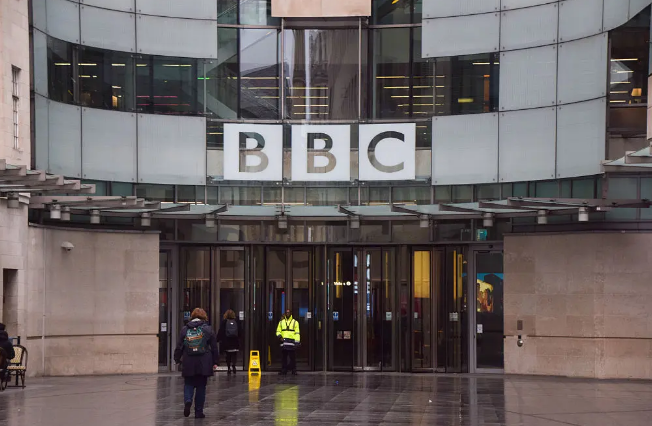
President Donald Trump has escalated his campaign against mainstream media, directing attention at the British Broadcasting Corporation (BBC) following a controversial edit of his January 6, 2021, speech near the U.S. Capitol. The BBC’s Panorama documentary, aired in October 2024, combined two separate quotes from Trump, giving the impression that he urged his supporters to “fight like hell” while walking to the Capitol. In reality, the comments were made at different points during the rally.
Conservative critics in the U.K. and the U.S. have seized on the edit to reinforce claims of institutional bias within the BBC. Former British Prime Minister Liz Truss called for the public broadcaster to be defunded, while Reform U.K. leader Nigel Farage reported discussing Trump’s anger with the former U.S. president and called for “wholesale changes” at the BBC. Farage described the mandatory TV licensing fee as unsustainable.
The BBC acknowledged the error in a letter to the parliamentary culture, media, and sport committee. Chairman Samir Shah apologized for the “error of judgment,” stating the edit created “the impression of a direct call for violent action.” Following the controversy, BBC Director-General Tim Davie and News CEO Deborah Turness resigned. Shah said corrective steps had been taken, including leadership changes, editorial guidance revisions, and formal disciplinary measures.
Trump’s reaction has been swift. He sent a letter to the BBC threatening a $1 billion lawsuit unless the broadcaster publicly apologizes, compensates him for “harm caused,” and removes the documentary. On Truth Social, he accused the BBC of “doctoring” his speech and attempting to influence the U.S. presidential election.
Supporters of the BBC argue that the backlash is politically motivated. Veteran BBC correspondent John Simpson described the attacks as a coordinated right-wing campaign. Financial Times editor Robert Shrimsley echoed this, warning that the campaign against the broadcaster would continue regardless of its editorial corrections.
The BBC incident fits a broader pattern of legal and regulatory action by Trump’s administration against media organizations. In the U.S., Trump has filed defamation lawsuits against ABC, CBS, The New York Times, the Wall Street Journal, and the Des Moines Register, alleging manipulated reporting or biased coverage. Settlements have included millions of dollars paid to Trump-affiliated foundations and changes in corporate leadership at media companies.
Trump’s actions have also targeted publicly funded broadcasters. Executive orders and funding cuts have affected NPR, PBS, and Voice of America, leading to shutdowns, staff reductions, and programming changes. The White House and Pentagon have introduced restrictive reporting rules for journalists, prompting some reporters to relinquish access credentials.
Legal experts and media observers warn that the cumulative effect of Trump’s lawsuits, regulatory pressure, and public attacks could reshape the media landscape, incentivizing self-censorship and affecting the ability of outlets to cover political figures critically.
Trump’s international focus on the BBC marks a new stage in his ongoing campaign against media he perceives as hostile, expanding his influence beyond the U.S. while reinforcing his broader narrative of media bias.