















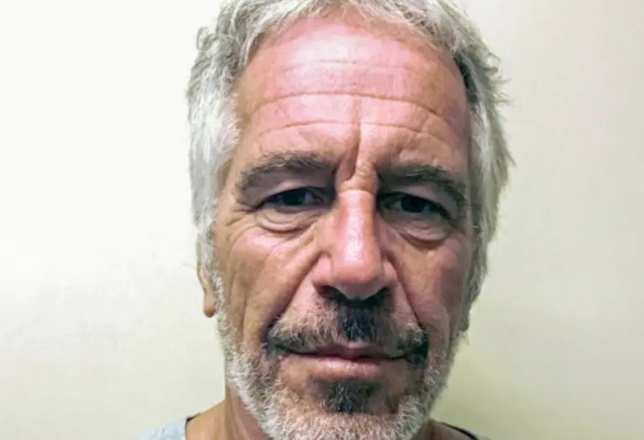
The U.S. Department of Justice (DOJ) has formally requested the unsealing of grand jury testimony linked to Jeffrey Epstein, as the Trump Administration faces mounting public and political pressure over its handling of the convicted sex offender’s case.
In a court filing submitted Friday, the DOJ asked a federal judge to approve the release of transcripts tied to the now-deceased financier, promising that all victim-identifying information would be redacted to protect privacy. The department stated the move follows President Donald Trump’s directive to Attorney General Pam Bondi to produce “any and all pertinent Grand Jury testimony, subject to Court approval.”
“The public’s interest in the Epstein matter has remained,” the filing reads, adding that the decision reflects the government’s recognition of widespread and ongoing calls for transparency.
The renewed focus on Epstein stems from a recent DOJ and FBI memo concluding that Epstein died by suicide in 2019 and that investigators found no credible “client list” of co-conspirators. The findings reignited outrage among Trump supporters, particularly in the MAGA base, where longstanding conspiracy theories suggest Epstein’s death may have silenced powerful individuals tied to his alleged sex trafficking network.
Despite the memo’s conclusions, bipartisan lawmakers have continued to press for the full release of Epstein-related records, arguing that public confidence in the justice system hinges on greater transparency in the high-profile case.
President Trump, who previously maintained social ties with Epstein, has come under renewed scrutiny in recent weeks. The DOJ’s request to unseal grand jury documents coincides with another legal development involving the president. On the same day, Trump filed a $10 billion lawsuit against the Wall Street Journal’s parent companies—Dow Jones, News Corp, and its owner Rupert Murdoch—over an article claiming he sent a suggestive letter to Epstein in 2003.
Trump vehemently denied the allegation, telling the Journal, “It’s not my language. It’s not my words.” His legal team argues the letter is fabricated and part of a defamatory smear campaign.
The developments mark a challenging moment for the Trump Administration, as it attempts to reassure the public while navigating growing distrust surrounding its handling of the Epstein case. With both legal and political pressure mounting, the administration’s next steps could play a key role in shaping the narrative around one of the most controversial criminal investigations in recent American history.