













Indirect discussions between the U.S. and Iran in Qatar failed to achieve a significant breakthrough, with negotiators instead discussing ways to meet parts of a temporary deal, but not the deep-rooted differences, such as Tehran’s nuclear programme.
Sources involved in the negotiations said the talks in Doha focused on technical matters over shipping movements in the Strait of Hormuz and the release of frozen Iranian money. Both concerns are part of an interim accord announced two weeks ago that helped put an end to fighting after months of conflict.
The talks made “positive progress” on issues related to the memorandum that had stopped the fighting in June and followed on from previous talks in Switzerland, Qatar’s Foreign Ministry said. Following the late supreme leader of Iran Ayatollah Ali Khamenei’s funeral, which is scheduled for July 9, a further round of discussions will be held, the ministry added.
Talks took place indirectly, between the US and Iranian delegations with each side meeting separately via Qatari and Pakistani brokers.
Deputy Foreign Minister Kazem Gharibabadi was head of Iran’s delegation, who confirmed that the discussions had ended. Both sides did not say if any differences had been worked out.
US President Donald Trump told reporters that talks with Tehran on its nuclear programme were moving forward in a good way, but sources close to the Doha talks said there was no discussion of nuclear talks during the latest round of the meetings as they were merely technical.
Trump said that the denuclearisation of Iran is “going well. Well, their meetings have been very good, and we’ll see.
In future talks, the nuclear question would be taken up, said US Vice President JD Vance, who noted that Washington continues to work to stop Iran from developing a nuclear programme.
Earlier, there had been speculation that Trump’s Middle East envoy, Steve Witkoff, and his son-in-law Jared Kushner would be in attendance at the Doha sessions, but officials said the two were not available.
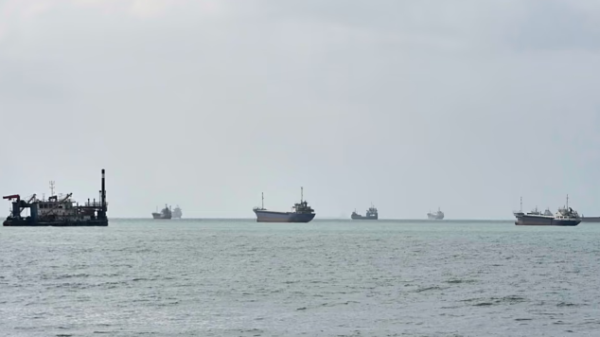
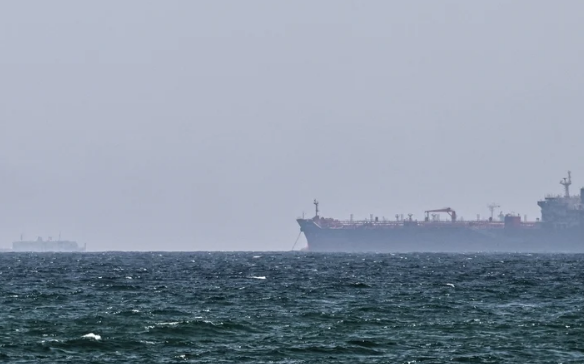
One of the world’s most vital energy shipping routes, the Strait of Hormuz, is also an area of concern. Prior to the war, about 20% of the world’s oil and LNG imports travelled via the waterway.
Commercial shipping has resumed in part under the interim agreement, but there is uncertainty regarding future access. Iranian officials remain adamant on international recognition of Tehran’s control of the strait, and they have said that they will impose shipping tolls after the current toll-free period ends in mid-August.
The high tension has been caused by some incidents in the region in recent days, namely the Iranian attack on a cargo vessel and the report of a foreign container ship that ran aground outside of an approved shipping lane.
But those fears were outweighed by the turn in financial markets, which rallied to Trump’s words and saw oil prices retreat to four-month lows as investors made more hopeful bets that diplomacy would avert a return to all-out war. The next round of talks will be closely scrutinised for any developments on the two fronts – regional security and Iran’s nuclear programme, analysts said.