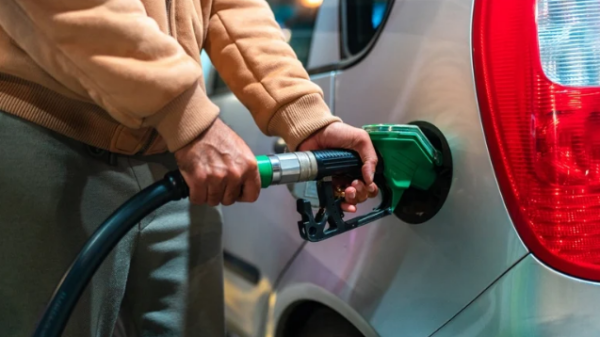















The Taoiseach has urged businesses not to exploit global instability by raising prices on home heating oil and motor fuel, as conflict in the Middle East continues to disrupt energy markets. Micheál Martin addressed the Dáil on Tuesday, emphasizing that the Government is monitoring the situation closely and reviewing support measures for households.
The comments came five days after a US-Israeli offensive on Iran triggered wider regional instability, raising concerns over energy supplies and the cost of living. Mr Martin said the carbon tax, which funds fuel poverty payments, support for farmers, and home retrofitting, would remain in place. He projected that any increase in petrol and diesel prices could take three to four weeks to materialize.
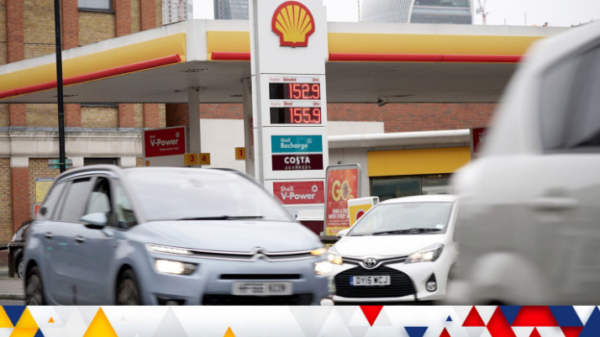
Sinn Féin leader Mary Lou McDonald said households were already facing steep fuel hikes, citing an elderly resident in Wexford whose home heating oil costs have nearly doubled. She added that fuel prices at pumps have risen by roughly 10 cents per litre. Ms McDonald criticized the Government’s approach as passive and called for a pause on the planned carbon tax increase.
Labour Party leader Ivana Bacik said the cost of living crisis has reached a breaking point, worsened by both global instability and domestic policies. She described the situation as price gouging and urged the Government to take urgent action.
Mr Martin responded that the Coalition had introduced both one-off cost of living payments and permanent measures such as free schoolbooks and hot school meals to alleviate financial pressure on households.
Economists warn that energy price spikes could trigger wider increases in food costs. Dr Emma Howard of Technological University Dublin told RTÉ that the closure of the Strait of Hormuz, a key shipping route for oil, gas, and fertiliser, is expected to affect supply chains and push prices higher.
Since the attacks began, oil prices have surged from $72 (€62) per barrel to $84 (€72), while gas prices have doubled to €60 per megawatt hour. Dr Howard explained that fertiliser transported through the strait, which accounts for one-third of global supply, is also at risk, potentially affecting crop and livestock production and feeding through to higher food prices.
Dr Howard noted that the extent of price increases depends on the duration of the conflict. A short disruption could produce a temporary spike, while prolonged instability could cause sustained inflation. Eurozone inflation unexpectedly rose yesterday, with Ireland’s February flash estimate at 2.4%.
She added that previous government interventions, such as cost of living packages introduced after the 2022 Russian invasion of Ukraine, were largely repeated over multiple budgets and had contributed to inflation. Any new support measures, she said, must be carefully targeted to assist those most affected while ensuring the wider economy remains resilient.