















European airlines are facing soaring operating costs as jet fuel prices reach their highest levels in over three years, driven by escalating conflict in the Middle East. The surge is raising concerns over prolonged disruption to global energy supplies and hitting airline stocks across the continent.
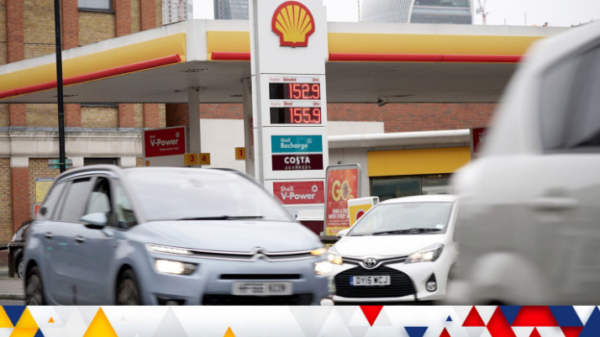
Aviation kerosene in European markets has climbed sharply, outpacing the rise in crude oil. Brent crude has increased more than 10 per cent this week to around $78.60 per barrel, roughly 20 per cent higher than two weeks ago. Jet fuel, however, has surged even faster, with physical supply prices up 23 per cent in just one week, according to Argus Media. Prices are now 48 per cent higher than last Friday and have risen 68 per cent over the past month.
Analysts describe conditions as highly volatile, with traders struggling to price in risks from military tensions in the Gulf. “No fundamentals can explain these prices,” one trader said, calling the situation “absolute chaos.”
The aviation sector is particularly exposed because much of Europe’s jet fuel imports come from the Middle East, with around 40 per cent passing through the Strait of Hormuz. The narrow waterway, a key route for oil and gas shipments, has become a flashpoint after Iran imposed a blockade in response to US and Israeli military actions. Any sustained disruption could severely restrict fuel supplies at a time when European refineries are already operating near capacity.
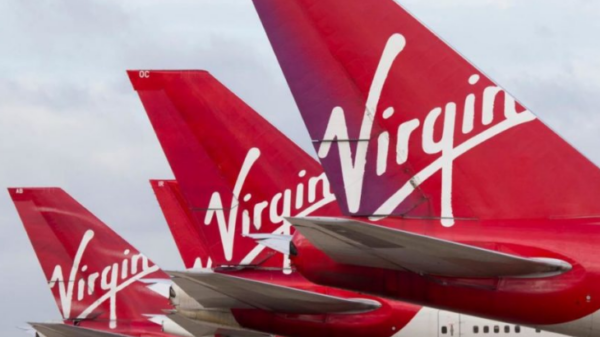
The spike in jet fuel prices has already affected airline margins. Fuel typically accounts for 25 to 35 per cent of operating costs, meaning even short-term volatility can hit profitability. Shares of major carriers have responded sharply. International Airlines Group, owner of British Airways, Iberia, and Aer Lingus, has seen its stock fall around 16 per cent from last week’s record high. Budget carriers have also suffered: easyJet shares fell 6 per cent this week, while Wizz Air warned that the conflict could cost it €50 million and push it into a full-year loss, causing its shares to drop about 20 per cent.
Airlines have hedging strategies to offset fuel volatility, but analysts caution that sustained price increases could still pass through into costs over time. Ryanair has secured 80 per cent of its fuel requirements through March 2027 at an average price of $67 per barrel. International Airlines Group and easyJet have hedged roughly 60 per cent of their needs for 2026 and the upcoming summer, respectively.
Industry observers say the extent of the crisis depends on the duration of Gulf disruptions. If the Strait of Hormuz remains blocked or the conflict spreads, aviation fuel costs could stay high for months, forcing airlines to absorb expenses or pass them onto passengers through higher ticket prices. For now, carriers and investors are closely monitoring energy markets as geopolitical tensions continue to reverberate through the aviation sector.