


















Connect with us

Hi, what are you looking for?

latest
latest

Latest

U.S. Dockworkers End Strike That Disrupted East and Gulf Coast Trade

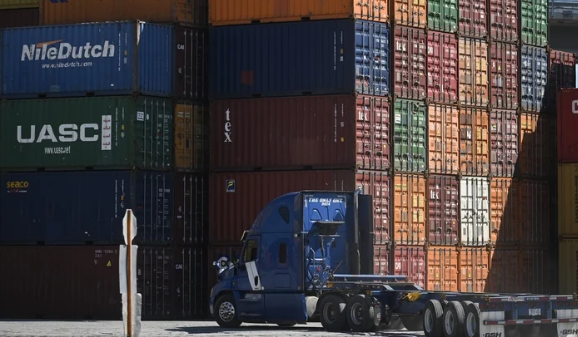
In a significant development, U.S. dockworkers have agreed to end a three-day strike that had disrupted trade along the East and Gulf coasts, potentially impacting the upcoming presidential election. The International Longshoremen’s Association (ILA) and the U.S. Maritime Association (USMX) announced that they would extend their previous contract until January 15, 2025, allowing work to resume Friday morning. Negotiations for a long-term agreement, which includes a proposed pay increase of approximately 62%, will continue.

The strike had raised alarms among analysts and industry officials, who warned that its effects would extend far beyond the containerized imports, exports, and automobiles directly impacted by the walkout. Estimates suggested that the disruption could cost the U.S. economy between $3 billion and $5 billion daily. ILA Local 333 President Scott Cowan addressed members gathered at the Port of Baltimore, stating, “The strike is over.”

This agreement provides both the ILA and USMX with crucial time to address more contentious issues without jeopardizing the U.S. economy ahead of the presidential election. Following the announcement, shares of Asian shipping lines declined as expectations for rising container rates diminished.

Cowan highlighted the outcome of the negotiations, stating, “We’re going to receive a 61.5% increase over the next six years,” and emphasized ongoing discussions regarding protections against automation and other unresolved issues.

Amid fears of shortages, many Americans began stocking up on essentials, particularly in areas affected by Hurricane Helene, which caused flooding and power outages in several Southeastern states. In response to rising consumer anxiety, one national grocery store chain implemented purchase limits on paper towels, toilet paper, and water, increasing pressure on President Biden to intervene.

The agreement alleviates a potential political crisis for the White House and Vice President Kamala Harris, who are vying for union support in the face of a prolonged strike that could exacerbate inflationary pressures. The resolution means Biden will avoid the dilemma of either backing union demands or addressing the fallout from a crippling strike.

Despite the strike’s short duration, industry experts from project44 warn that the cargo backlog will take over a month to resolve. As port terminals prepare to resume operations, numerous ships remain anchored off major trade hubs in New York, South Carolina, and Virginia, with more vessels arriving than can be promptly unloaded.

President Biden commended the parties involved for their collaborative efforts, stating, “I want to thank the union workers, the carriers, and the port operators for acting patriotically to reopen our ports and ensure the availability of critical supplies for Hurricane Helene recovery.”

While the agreement marks progress on wage negotiations, remaining issues—particularly those surrounding automation—may present further challenges. ILA chief Harold Daggett has expressed strong opposition to foreign-owned companies seeking to replace union jobs with technology, indicating that negotiations may require further attention in the months ahead. The National Retail Federation welcomed the resumption of operations but stressed the importance of finalizing a comprehensive agreement before the impending deadline to prevent a similar disruption.


Business

Fraudsters are increasingly using AI-generated images and videos to trick people into handing over sensitive personal and financial information, according to FraudSMART, the financial crime awareness initiative operated by the Banking and Payments Federation Ireland (BPFI). The organisation has reported a rise in online adverts promoting fake, State-backed investment schemes. These scams often use fabricated images of well-known politicians and business figures to make the offers appear legitimate and encourage users to click on registration links. Niamh Davenport, head of financial crime at BPFI, said scammers are deliberately exploiting recent media coverage of a planned State-backed savings and investment scheme to give their frauds a sense of credibility. “They often claim the scheme is open to everyone, but that places are limited and being ‘snapped up’ fast, in order to pressure people to act quickly,” she said. “They typically promise guaranteed returns or a guaranteed monthly income.” FraudSMART said that while anyone can be targeted, people in their early 50s are particularly vulnerable to investment scams. This age group is often focused on retirement planning, making them more receptive to financial offers that appear secure or high-yield. According to the organisation, most scams follow a similar pattern. Victims are first directed to click a registration link and complete a short online form providing their contact details. They are then contacted by someone posing as a financial adviser, who urges them to make an immediate “security deposit” to secure participation in the scheme. Once a payment is made, the money is quickly moved through multiple accounts, often overseas, making recovery extremely difficult. Davenport warned that scammers are becoming more sophisticated in their use of technology, particularly AI tools that allow them to create realistic but entirely fake promotional content. These materials are designed to mimic legitimate financial advertisements and build trust with potential victims. Recent figures from An Garda Síochána show investment fraud rose by 20% last year, with losses exceeding €20 million. The scale of individual scams varies widely, ranging from smaller crypto-related frauds involving a few hundred euro to large-scale investment schemes where victims lose tens of thousands. FraudSMART is urging the public to remain cautious when encountering online investment advertisements, especially those promising guaranteed returns or requiring urgent action. It also advises consumers to avoid sharing personal information with unverified sources and to be wary of pressure tactics designed to rush financial decisions. Authorities continue to warn that fraudsters are adapting quickly, using advanced digital tools to target victims across multiple platforms.

Trending

Business

Fraudsters are increasingly using AI-generated images and videos to trick people into handing over sensitive personal and financial information, according to FraudSMART, the financial crime awareness initiative operated by the Banking and Payments Federation Ireland (BPFI). The organisation has reported a rise in online adverts promoting fake, State-backed investment schemes. These scams often use fabricated images of well-known politicians and business figures to make the offers appear legitimate and encourage users to click on registration links. Niamh Davenport, head of financial crime at BPFI, said scammers are deliberately exploiting recent media coverage of a planned State-backed savings and investment scheme to give their frauds a sense of credibility. “They often claim the scheme is open to everyone, but that places are limited and being ‘snapped up’ fast, in order to pressure people to act quickly,” she said. “They typically promise guaranteed returns or a guaranteed monthly income.” FraudSMART said that while anyone can be targeted, people in their early 50s are particularly vulnerable to investment scams. This age group is often focused on retirement planning, making them more receptive to financial offers that appear secure or high-yield. According to the organisation, most scams follow a similar pattern. Victims are first directed to click a registration link and complete a short online form providing their contact details. They are then contacted by someone posing as a financial adviser, who urges them to make an immediate “security deposit” to secure participation in the scheme. Once a payment is made, the money is quickly moved through multiple accounts, often overseas, making recovery extremely difficult. Davenport warned that scammers are becoming more sophisticated in their use of technology, particularly AI tools that allow them to create realistic but entirely fake promotional content. These materials are designed to mimic legitimate financial advertisements and build trust with potential victims. Recent figures from An Garda Síochána show investment fraud rose by 20% last year, with losses exceeding €20 million. The scale of individual scams varies widely, ranging from smaller crypto-related frauds involving a few hundred euro to large-scale investment schemes where victims lose tens of thousands. FraudSMART is urging the public to remain cautious when encountering online investment advertisements, especially those promising guaranteed returns or requiring urgent action. It also advises consumers to avoid sharing personal information with unverified sources and to be wary of pressure tactics designed to rush financial decisions. Authorities continue to warn that fraudsters are adapting quickly, using advanced digital tools to target victims across multiple platforms.

You May Also Like

Politics

WASHINGTON — The Pentagon announced on Sunday that the United States will send a Terminal High Altitude Area Defense (THAAD) battery to Israel, alongside...

Health

NEW YORK — Teen smoking in the United States has reached an all-time low in 2024, with significant declines in overall youth tobacco use,...

Politics

WASHINGTON — As the countdown to the November 5 presidential election continues, former President Donald Trump is urging his supporters to aim for a...

Politics

In September, NASA announced that summer 2024 was the hottest on record. Just days later, the U.S. faced the dual impact of Hurricanes Helene...