














The first heat wave of summer can arrive suddenly, making an ordinary warm day feel almost unbearable even when temperatures are lower than those reached later in the season. Scientists say one reason is that the human body needs time to adjust to changing temperatures.
This process is known as heat acclimatization. As people spend more time in warm conditions, their bodies gradually become better at controlling temperature and releasing excess heat.
Julien Périard, a professor at the University of Canberra in Australia who studies heat adaptation, said the process develops progressively as the body responds to its surroundings.
People who spend much of their time outdoors may adjust more quickly than those who remain inside air-conditioned buildings. Regular outdoor activity, including walking or exercise, exposes the body to heat and encourages physiological changes.
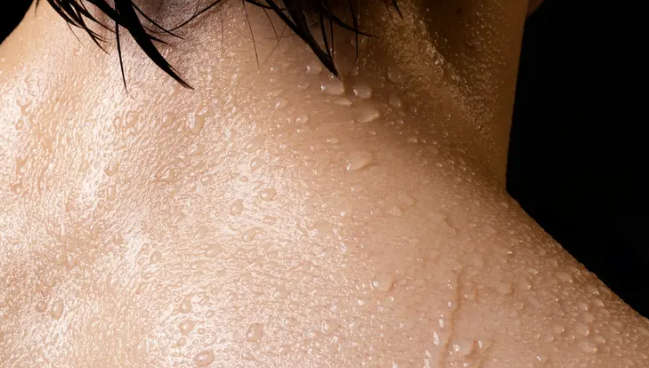
Before a person becomes accustomed to hot weather, both skin and core temperatures can rise quickly during outdoor activity. The body responds by increasing sweating and sending more blood toward the skin. Sweat cools the body as it evaporates, while increased blood flow near the skin helps release heat.
Blood volume can also increase during the adaptation process. This allows the body to move more blood toward the skin and maintain sweating without becoming dehydrated as quickly.
Heat exposure can also trigger changes within cells, including increased production of proteins that help protect normal cell functions under hot conditions.
Full adaptation can take several weeks, although the time varies depending on the individual and the intensity of the heat. Athletes and workers who regularly operate in hot environments may gradually increase their exposure so their bodies have time to adjust.
However, becoming acclimatized does not eliminate the danger of extreme heat. Glen Kenny, a professor of physiology at the University of Ottawa in Canada, said people who have adapted to hot conditions can still suffer heat exhaustion and heat stroke.
Researchers are particularly concerned about increasingly intense heat waves, which may become too severe for the body to adapt safely.
In one experiment designed to recreate conditions similar to the extreme heat experienced during British Columbia’s deadly 2021 heat wave, Kenny spent three days in a chamber kept at 104°F. His researchers monitored how the body responded over the period.
Although some adaptation occurred, the body’s ability to regulate core temperature began to deteriorate under the extreme conditions. Kenny also lost around 10 pounds over three days because he could not replace the large amount of fluid lost through sweating quickly enough.
Heat adaptation can also fade after people move into cooler conditions. Spending several weeks away from hot weather can reverse some of the body’s changes. However, researchers have found evidence of an “acclimation memory”, meaning people who return to heat may readapt faster than they did initially.
The body also responds to cold, but humans have fewer natural mechanisms for conserving heat. Blood vessels can constrict and shivering generates some warmth, while clothing remains one of the most effective ways people protect themselves from cold temperatures.




















You must be logged in to post a comment Login