








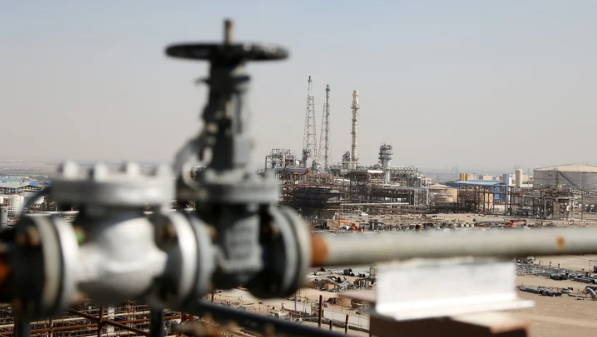









Energy has emerged as the biggest contributor to rising business costs in Ireland, according to the final report of a Government-established advisory forum that has called for action to improve competitiveness and reduce the burden on companies.
The Cost of Business Advisory Forum has published 63 recommendations covering a wide range of expenses faced by enterprises. Among its key proposals is a review of the possibility of introducing a new scheme to reduce energy prices for large, energy-intensive businesses.
The report also called for greater price transparency and easier switching options for non-domestic energy customers.
The forum brought together business organisations, social partners, regulators, State agencies and Government departments. Its members examined major non-pay costs affecting businesses, including energy, insurance, legal services, water and wastewater, infrastructure and planning, tax administration, regulatory compliance, banking and financial services.
It called for regulatory reform and the removal of bottlenecks that can delay business activity. The report also warned that limited competition in business banking was contributing to high borrowing costs.
Minister for Enterprise, Tourism and Employment Peter Burke said the report offered an important assessment of the difficulties facing Irish enterprises.
“The Government will give careful consideration to its recommendations and will issue a formal response in due course,” he said.
Forum chair Kevin Foley said contributions from stakeholders had been essential in identifying the main challenges affecting businesses.
He said he hoped the report would encourage action to reduce both the financial cost and complexity of operating a business in Ireland, allowing companies to invest, innovate and grow sustainably.
Chartered Accountants Ireland welcomed the recommendations and urged the Government to implement them quickly. Director of Members and Advocacy Cróna Clohisey described the proposals as practical and achievable, adding that the Government now needed to act.
Ibec also welcomed the report. Executive Director of Membership and Services Sharon Higgins said controlling business costs, including wages, was vital to the survival and international competitiveness of Irish companies.
She said the recommendations offered a clear path for addressing many cost pressures, while stressing that their value would depend on decisive implementation. Ibec identified energy, infrastructure and planning, and regulation as areas where action could deliver more immediate relief.
Insurance Ireland said the report recognised that competitiveness depended on tackling a broad range of business costs. Chief executive Moyagh Murdock said affordable and sustainable insurance was essential for investment and economic activity.
The Irish Hotels Federation said the focus on energy costs was particularly important because energy is the second-largest cost for hotels after payroll. It also welcomed proposals concerning insurance, planning delays, regulation and water charges.
IHF chief executive Paul Gallagher said timely implementation could deliver significant long-term benefits for hotels, guesthouses and the wider tourism industry.



















You must be logged in to post a comment Login