



















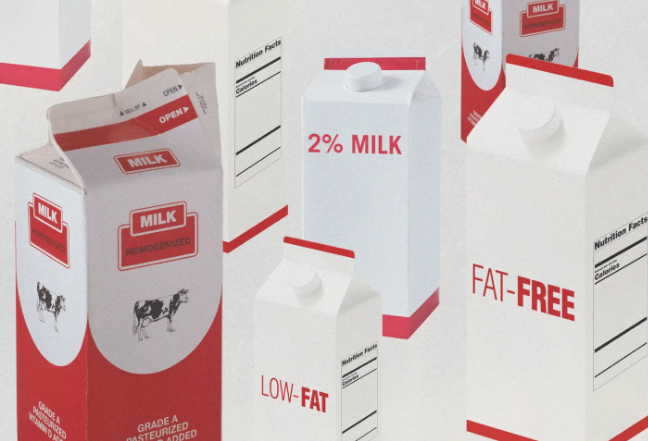
A long-running debate over the health effects of whole milk has resurfaced after the Trump administration announced plans to lift restrictions on full-fat dairy in schools, challenging federal nutrition guidelines that favor low-fat options.
In December, the Dietary Guidelines Advisory Committee, a group of independent experts that reviews evidence and updates national nutrition recommendations every five years, concluded there was insufficient scientific support to recommend anything other than skim or low-fat milk. The panel pointed to decades of research linking saturated fat, found in whole milk, to elevated cholesterol and a higher risk of cardiovascular disease.
But on September 9, the administration unveiled its Make America Healthy Again (MAHA) Strategy Report, pledging to “remove restrictions on whole milk sales in schools” and “eliminate mandatory reduced-fat requirements in federal nutrition programs.” At a press conference, Agriculture Secretary Brooke Rollins said the government intended to “completely reset and rework” the guidelines around dairy. “These guidelines will prioritize whole, healthy, and nutritious foods such as whole-fat dairy,” she said.
FDA Commissioner Dr. Martin Makary went further, declaring an end to what he described as “the 50-year war on natural saturated fat.” He argued that banning whole milk in schools was “nutrition guidance by the government based not on evidence, but on dogma.”
The move drew swift criticism from health groups. On September 10, the Physicians Committee for Responsible Medicine urged the administration to reverse course, warning that exposing children to higher levels of saturated fat could worsen early signs of heart disease already seen among U.S. youth. “The federal government should be putting less saturated fat on school lunch trays, not more,” said committee president Dr. Neal Barnard, calling for more access to plant-based meals and non-dairy beverages instead.
Nutrition scientists also voiced concern. Dr. Walter Willett, a leading researcher at Harvard T.H. Chan School of Public Health, noted that the first federal dietary guidelines in 1980 warned against excessive saturated fat, and those warnings have remained consistent. “The real question is: is there any reason to be pushing high-fat dairy? And no, I don’t think we have a case that’s a good thing to do,” he said. Willett cautioned that multiple daily servings of whole milk could drive children’s saturated fat intake well above healthy limits.
Supporters of the administration’s plan argue that low-fat milk has drawbacks of its own, with some products adding sugar or flavors to replace fat and make the drinks more appealing to children. Others, including Willett, see plant-based alternatives like soy milk as healthier choices that offer similar nutrients without the cardiovascular risks—and with added environmental benefits.
The clash underscores a broader divide over how science, consumer choice, and politics shape U.S. nutrition policy. While the administration moves to expand whole milk in schools, public health experts warn that the reversal could undermine decades of progress in lowering heart disease rates.