


















Nora McInerny knows firsthand the pressure to appear “fine” when life feels anything but. At her 35-year-old husband’s funeral, she recalls, many people commented that she had never looked better. McInerny admits she had barely eaten for months and insisted she was “absolutely, completely, totally fine”—even though inside she felt both numb and overwhelmed.
McInerny, author of It’s Okay to Laugh (Crying Is Cool, Too) and No Happy Endings, and host of the podcast Thanks for Asking, experienced multiple tragedies within six weeks in 2014: her father died, her husband succumbed to brain cancer, and she miscarried her second child. Her experiences have shaped her reflections on how people respond when asked about their well-being and how honesty can foster meaningful connection.
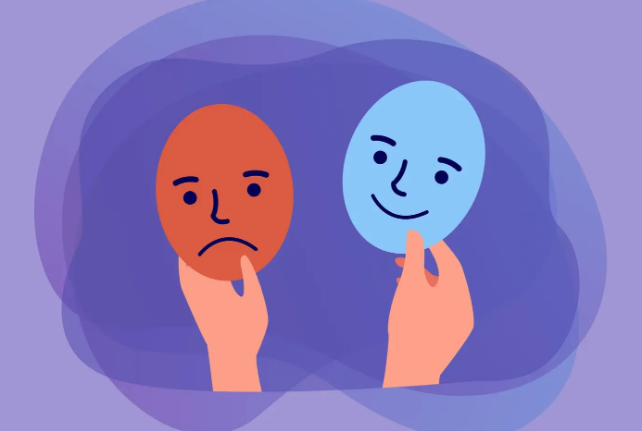
Experts say habitual responses like “I’m fine” can prevent genuine emotional expression. Jennifer C. Veilleux, a clinical psychology professor at the University of Arkansas, encourages people to avoid what she calls “expressive suppression”—putting up a smiling mask while struggling inside. Suppressing emotions, she says, is linked to higher anxiety, depression, stress, and strained relationships. Veilleux advocates pausing to reflect and giving answers that accurately reflect your feelings. “People strive for connection and belonging,” she says. “To get a real answer feels refreshing.”
Child-life specialist and therapist Kelsey Mora adds that honesty works best when gauging the listener’s capacity. Asking a simple question such as “Do you really want the honest answer?” can help ensure the person asking can provide support. McInerny calls this “conversational consent,” sometimes sending a text like, “Can I call you and have a full mental breakdown?” so she knows whether the timing is right.
There are also practical ways to respond truthfully without oversharing. Veilleux recommends statements such as: “I know I’m supposed to say I’m fine, but I’m not actually fine right now,” “I’m upright—that’s about all I can say,” or “Honestly, not that great.” These responses convey honesty while allowing the listener to decide whether to engage further. Tyler Coe, creator of the PBS sitcom How Are We Today?, agrees: assessing how you feel and responding truthfully—even briefly—is more important than performing “fine.”
At the same time, experts recognize that saying “I’m fine” is appropriate in certain contexts, such as casual encounters or when speaking to someone who may not be supportive. Mora suggests phrasing like, “Honestly, it’s been tough, but I’m not really up for talking about it right now” to set boundaries while remaining authentic.
McInerny emphasizes that concealing emotions can prevent others from offering support. “I took away the opportunity for them to be the kind of friends that they are,” she says. She encourages those struggling to let people in, noting, “If you knew someone you loved was struggling, wouldn’t you want to know the truth?” Her advice is simple: give people a chance to show care, and don’t be afraid to say when you’re not okay.