



















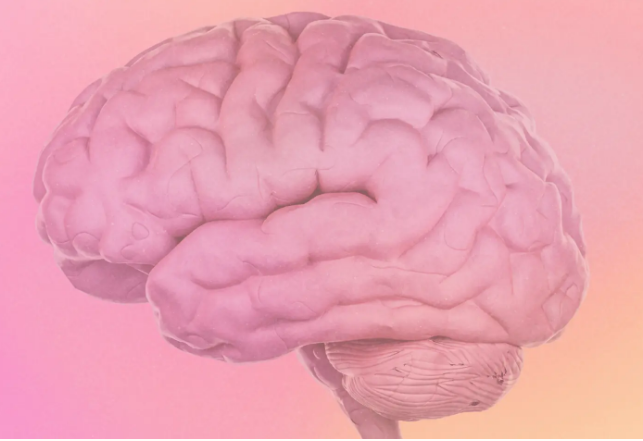
Menopause, long known as the end of a woman’s reproductive years, also brings profound changes to the brain, affecting memory, mood, attention, and sleep. As levels of estrogen and progesterone fall, many women experience what doctors call “brain fog” — one of the most common and disruptive symptoms of this transition.
Research suggests up to 60% of women going through menopause report difficulty concentrating, forgetfulness, or mental cloudiness. “During perimenopause, levels of estrogen and progesterone fluctuate before going into a sharp decline,” explained Dr. Beth McQuiston, a neuroscientist and medical director at Abbott. These hormones are vital for brain health, supporting the hippocampus and prefrontal cortex — regions central to learning and memory.
As hormone levels drop, neurotransmitters linked to attention, memory, and sleep also become less active. “If we don’t sleep, we don’t heal well and don’t make memories well,” said Dr. Heather Hinshelwood, chief of medicine at Fraum Health. “Given all this, it’s no wonder that brain fog occurs.”
Doctors emphasize that menopause-related cognitive changes are distinct from normal aging. “It all comes down to timing, pattern, and biology,” said McQuiston. Forgetfulness that appears alongside hot flashes, sleep problems, and mood shifts often points to menopause rather than aging. According to geriatrician Dr. Sharon Brangman, menopause typically affects verbal and working memory — such as recalling names or phone numbers — whereas age-related decline is usually milder.
The hormonal changes of menopause can also influence mood and emotional health. “We have evidence that shows an increased risk of depression during perimenopause,” said Dr. Marika Osterbur Badhey, an obstetrician-gynecologist at NYU Langone Health. About one in three women experience depressive symptoms during this stage. The decline in estrogen affects brain areas like the amygdala and hippocampus, which regulate emotions and stress.
Experts warn that the long-term effects may extend beyond mood and memory. “Women have higher rates of Alzheimer’s disease than men,” Brangman said. “Research is focused on how the loss of estrogen’s protective effect may raise dementia risk.”
Despite these challenges, doctors say the brain can adapt. Studies show that during menopause, the brain undergoes structural and metabolic changes, eventually forming compensatory pathways. “The cognitive cost is tangible but not fixed,” said McQuiston. “Timely intervention, lifestyle changes, and in some cases hormone therapy can help.”
Specialists recommend prioritizing sleep, regular exercise, healthy nutrition, and social connection to support brain health. Strength training, in particular, may help boost compounds that protect brain function. “Menopause can be a time of vulnerability,” McQuiston said, “but it’s also an opportunity to invest in brain health for the future.”