



















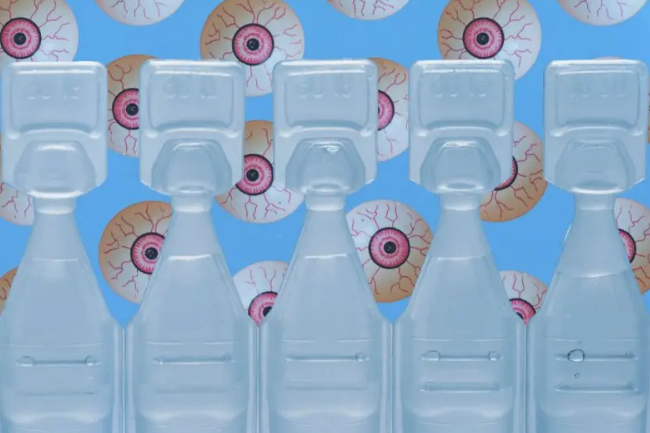
A growing number of people are grappling with dry eye disease, a condition that is becoming increasingly common in the age of screens and modern conveniences. For 31-year-old Los Angeles resident Talia Rotenberg, the first signs appeared during a trip to Europe. What started as irritated, bloodshot eyes soon became a daily struggle that continued long after she returned home.
“I assumed it was allergies,” Rotenberg said. “But my doctor diagnosed me with dry eye disease. I had never even heard of it.”
Experts say her case is far from isolated. Dry eye disease affects millions annually and is on the rise due to factors ranging from increased screen time and contact lens use to environmental triggers and underlying health conditions.
Dr. Daniel Brocks, chief medical officer at BostonSight, explains that the condition occurs when the eyes don’t produce enough tears or when the tears evaporate too quickly. “Patients often describe it as a gritty or burning sensation, like having something in their eye,” he said. Symptoms can range from redness and blurry vision to severe pain and even ulcers in advanced cases.
Women and people over 50 are particularly susceptible, and autoimmune diseases such as Sjögren’s syndrome and lupus are also linked to higher risk. Environmental conditions—like dry, windy air or prolonged exposure to air conditioning—can exacerbate symptoms, as can dehydration and high caffeine intake.
While artificial tears and over-the-counter drops offer relief for many, doctors emphasize the need for broader awareness. “Most people just don’t realise how serious dry eyes can be,” said Dr. Penny Aswell of the University of Tennessee. “It can disrupt work, reading, driving, even going outside.”
Dr. Ami Vadada, an ophthalmologist in New York, highlighted lifestyle changes that can make a difference: “Follow the 20-20-20 rule—every 20 minutes, look 20 feet away for 20 seconds—and avoid having air vents blowing directly on your face.”
For more severe cases, treatments range from prescription drops and punctal plugs to advanced options like serum eye drops made from a patient’s blood and amniotic membrane grafts. Custom-designed scleral lenses are also gaining popularity for their ability to protect and hydrate the cornea.
“There’s a wide range of causes and treatments,” said Dr. Brocks. “What’s encouraging is the number of new therapies being developed. We’re getting better at managing this condition every year.”
As awareness grows and research advances, experts hope more patients like Rotenberg will find relief—and avoid the long delays in diagnosis that many currently face.