

















The UK’s annual inflation rate fell to 3% in January, down from 3.4% in December, driven by slower price growth in food, fuel, and airfares, the Office for National Statistics (ONS) reported. The drop marks the lowest inflation rate since March 2025 and has raised expectations that the Bank of England may cut interest rates at its March policy meeting.
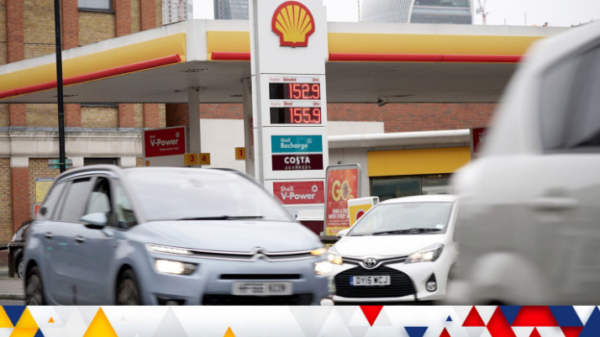
ONS chief economist Grant Fitzner said the decline reflected falling petrol prices and a drop in airfares following December’s seasonal rise. Lower costs for bread, cereals, and meat also contributed, although these were partially offset by higher prices for hotel stays and takeaways.
While inflation has eased, prices themselves are not falling; they are simply rising more slowly, economists noted. The January data, combined with recent signs of slower wage growth, suggest a more favourable outlook for monetary policy. The Bank of England’s key interest rate currently stands at 3.75%.
KPMG chief economist Yael Selfin said the favourable outlook could allow the Bank to cut rates three times this year, potentially bringing them down to 3% by the end of 2026. Simon French, chief economist at Panmure Liberum, estimated an 80% chance that the Bank will reduce rates in March. He added that the last vote to hold rates was closely split, so modest evidence of easing inflation could sway policymakers.
The government welcomed the figures. Chancellor Rachel Reeves said lowering the cost of living remained her “number one priority,” highlighting measures including £150 off energy bills, a freeze in rail fares for the first time in 30 years, and frozen prescription fees. She attributed the decline in inflation to policy choices made in the 2024 Budget.
The Conservatives countered that inflation remains above the Bank of England’s 2% target due to Labour’s economic management. Shadow Chancellor Sir Mel Stride said families continued to feel the pinch. Analysts noted that December’s temporary spike in inflation reflected seasonal factors such as holiday flights and a tobacco tax increase.
Transport, food, and non-alcoholic beverages were the largest contributors to the January fall. Retailers also reported relief from household spending during the January sales. The British Retail Consortium (BRC) cited heavy discounting on clothing, footwear, and furniture, as well as lower prices for staples like bread, cereals, and rice. BRC chief economist Harvir Dhillon said intense competition had helped keep prices down, though he warned that higher minimum wages, rising national insurance contributions, and upcoming employment law changes could put pressure on costs in the months ahead.
For small businesses, easing inflation offers limited relief. London baker Gaya Vara noted that rising ingredient costs, including luxury chocolate up £7 per kilo over the past 18 months, have squeezed profits. Vara said she had absorbed these increases without switching to cheaper alternatives, reflecting broader challenges for retailers and food producers despite the slowing pace of price growth.