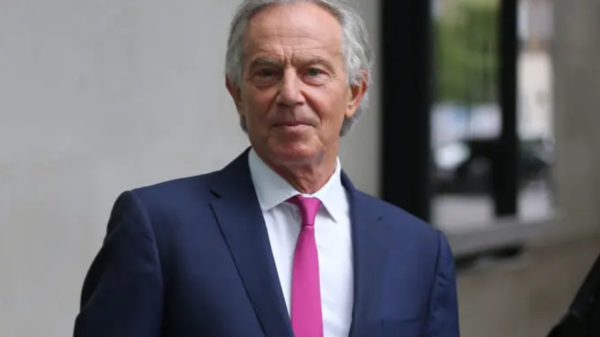




















New Prime Minister Andy Burnham is facing immediate pressure from farmers, landowners and rural businesses to reconsider inheritance tax changes affecting farms and family enterprises.
The issue is expected to become one of the first major challenges for Burnham and Chancellor John Healey, who now oversee the government’s tax policy and public finances.
The dispute began with Rachel Reeves’s first Budget, when the government announced plans to restrict Agricultural Property Relief and Business Property Relief from April 2026. The measures had traditionally allowed many farms and family businesses to pass between generations without an inheritance tax bill forcing the sale of assets.
Following months of protests by farmers, the government revised the policy shortly before Christmas. The threshold for 100 per cent relief was raised from £1 million to £2.5 million per estate. Married couples can combine allowances worth up to £5 million, while assets above that level receive 50 per cent relief.
The House of Commons Library estimates the changes will reduce the number of estates affected from 375 to 185 in the 2026-27 financial year.
Many farming organisations, however, continue to oppose the reforms. The Country Land and Business Association has warned that around 70,000 farms could be affected. A group of farmers also brought a legal challenge against the government in March, arguing that the changes had not been subject to adequate formal consultation.
Burnham’s previous comments have given the campaign renewed momentum. During his by-election campaign in Makerfield, he said he had heard concerns from farmers running family farms and believed the policy needed to be reviewed.
Farming groups are now calling on the new prime minister to act on those remarks.
Harriet Ranson, the CLA’s director for the north, said Burnham had already made commitments to the farming and food sector, including a pledge to revisit inheritance tax rules that the organisation says are damaging growth.
She also welcomed his support for greater local food procurement by the public sector.
The National Farmers’ Union and the CLA both welcomed the government’s earlier concessions but have not regarded the wider dispute as resolved. NFU president Tom Bradshaw said the changes had brought relief to many farmers, while CLA president Gavin Lane said they had helped protect family farms from being forced to sell assets to meet tax bills.
The issue presents Burnham with a political choice. Further changes could win support from rural communities and businesses, but would also reduce expected Treasury revenue.
The wider rural economy includes farms, hospitality businesses, tourism ventures and other enterprises that rely on family ownership and long-term succession planning.
With Burnham having already indicated there may be room for movement on tax policy and Healey preparing for his first Budget as chancellor, farming organisations are expected to intensify calls for further changes.
For rural business owners, succession planning remains essential regardless of the political debate. Yet with the new prime minister having publicly acknowledged farmers’ concerns, the campaign for a rethink has gained fresh momentum.