












European markets fell sharply on Monday as the military conflict in the Middle East intensified, with no immediate signs of de-escalation. Investors reacted to the impact of Iranian retaliatory attacks on regional shipping routes, particularly through the Strait of Hormuz, which triggered volatility across energy and travel sectors.
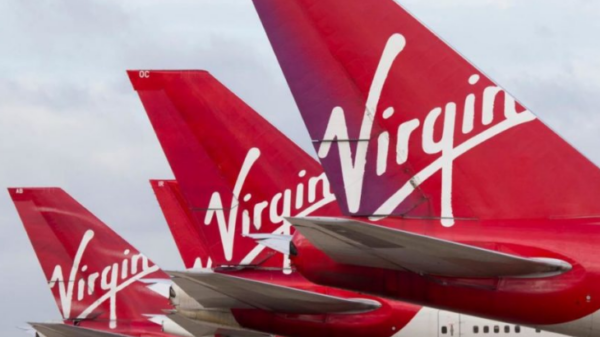
Travel and leisure stocks were hit hardest. Lufthansa shares dropped 6% after the German airline extended flight suspensions due to the ongoing regional instability. Aer Lingus owner IAG fell 4.7% as concerns mounted over potential disruptions to European air travel.
Banking shares also came under pressure, declining 3.6%, while insurers lost 2%, reflecting broader market risk aversion amid geopolitical uncertainty.
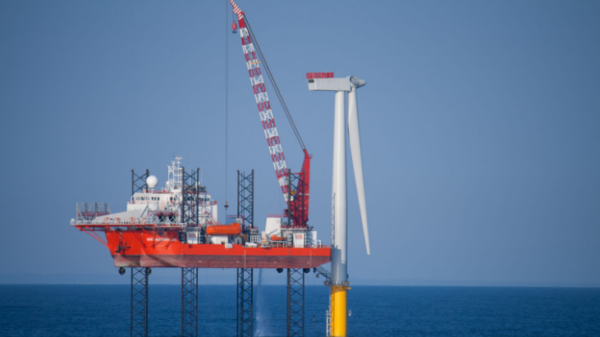
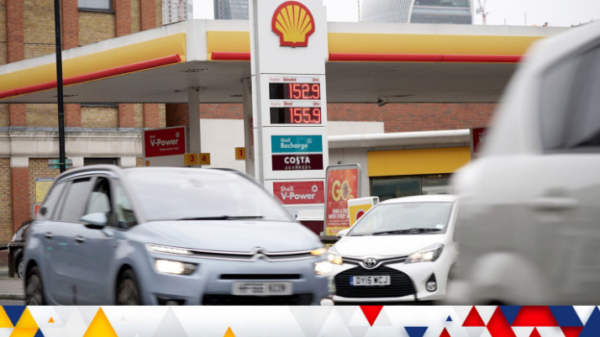
Energy companies, however, saw significant gains. Oil majors Shell, BP, and TotalEnergies each rose more than 5%, buoyed by crude prices that surged up to 13% after Iranian attacks disrupted tanker traffic in one of the world’s most critical shipping lanes. Analysts said the spike in oil prices drove the rally in energy shares despite weakness elsewhere in the market.
Key European indices reflected the uneven performance. London’s FTSE 100 slipped 0.8% in mid-morning trading. Paris’s CAC 40 fell 2.5%, while Frankfurt’s DAX dropped 1.7%. Ireland’s ISEQ index also moved lower, down 2.4%, with Ryanair shares declining 3% amid travel sector uncertainty.
Market observers noted that the escalation in the Gulf has reinforced fears of broader economic consequences, including higher energy costs and disrupted supply chains, which may weigh on corporate earnings.
Analysts warned that travel, logistics, and financial sectors remain particularly vulnerable while geopolitical tensions persist, while oil and energy firms continue to benefit from rising commodity prices.
The turbulence in European equities highlights the ongoing sensitivity of global markets to Middle East developments, with investors adjusting positions as the situation evolves.