



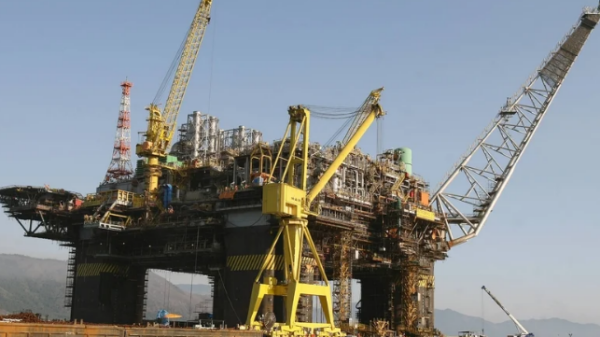






Oil prices climbed on Tuesday as negotiations between the United States and Iran over a potential peace agreement and the reopening of the Strait of Hormuz reached an impasse, raising concerns about continued disruption to global energy supplies.
Brent crude futures rose to $88.09 a barrel, while US West Texas Intermediate crude reached $82.52. Both benchmarks touched their highest levels since July 31 after gaining about 5% in the previous session.
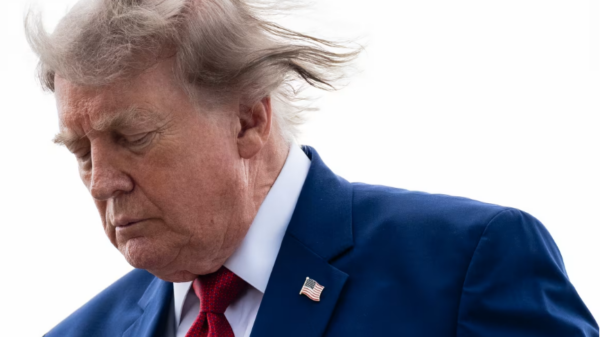
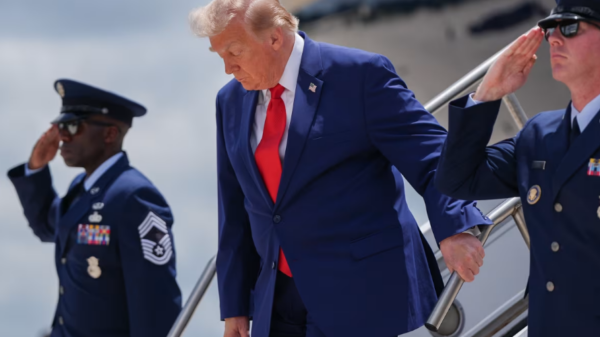
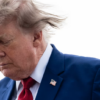
The latest increase followed US President Donald Trump’s response to Iranian demands for reopening the strategic waterway. Trump called for Iran to compensate those killed in wars, attacks and protests, adding another obstacle to negotiations.
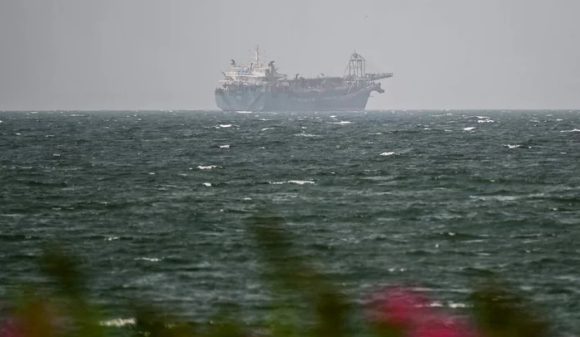
The Strait of Hormuz is a major route for global energy shipments, and uncertainty surrounding its reopening has kept oil markets volatile. Analysts said traders are now waiting for either Washington or Tehran to make the next move.
“We’re now in a bit of a Mexican standoff,” said Tony Sycamore, a market analyst at IG. He said the oil market could remain within a range of about $75 to $95 a barrel while investors wait for developments in the talks.
Higher oil prices are also increasing attention on US inflation figures due later this week. Economists expect the July consumer price report to show a 0.1% monthly increase in headline inflation and a 0.2% rise in core prices.
A stronger-than-expected reading could revive expectations that the US Federal Reserve may raise interest rates. Jonas Goltermann, chief markets economist at Capital Economics, said inflation risks appeared tilted to the upside and could renew concerns about stagflation.
US Treasury trading was closed in Asia because of a holiday in Japan, although Treasury futures moved lower, suggesting higher yields when regular trading resumes.
In Australia, the Reserve Bank kept its cash rate at 4.35% for a second consecutive meeting. The central bank said economic growth was slowing as expected but warned that another increase could still be required if inflation remains difficult to control.
Asian equities were mixed as investors assessed the impact of higher energy prices and geopolitical tensions. South Korea’s KOSPI gained 1.3%, while Hong Kong’s Hang Seng Index fell 0.6% and China’s CSI300 slipped 0.05%.
Markets were also watching developments in the technology sector after Nvidia announced partnerships with six major financial institutions to create financing platforms aimed at attracting more than $500 billion for artificial intelligence infrastructure.
The combination of geopolitical uncertainty, higher oil prices and continued investment in AI infrastructure is keeping investors cautious as they assess the outlook for global growth and inflation.















You must be logged in to post a comment Login