

















Connect with us

Hi, what are you looking for?

Business

Energy Prices in Europe Remain Uneven, Burden Heavier on Eastern Households

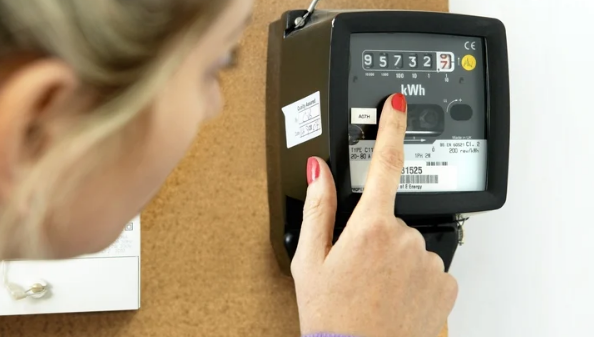
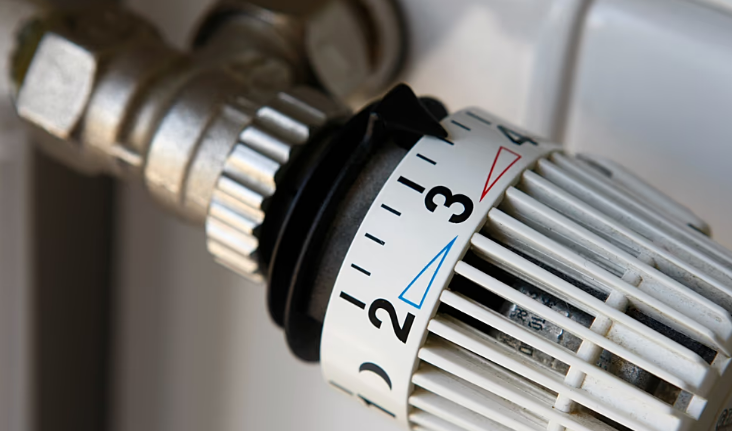
Electricity and gas prices vary widely across Europe, with households in Central and Eastern Europe facing a disproportionately heavy burden when adjusted for purchasing power, according to the Household Energy Price Index (HEPI).

Residential energy costs surged across the continent following Russia’s invasion of Ukraine in early 2022. While prices stabilised around a year later, they remain above pre-crisis levels. On average, electricity, gas, and other fuels account for 4.6% of total household spending in the European Union, Eurostat data show, with low-income families affected most.

In January 2026, residential electricity prices ranged from 8.8 cents per kilowatt-hour in Kyiv to 38.5 cents in Bern, with the EU average at 25.8 cents. Western European capitals, including Berlin (38.4), Brussels (36.5), Dublin (36.5), London (36.4) and Prague (36.4), ranked among the most expensive for electricity. In contrast, Budapest (9.6), Podgorica (11.1), and Belgrade (11.6) offered the lowest rates, highlighting a pattern of lower nominal electricity prices in Central and Eastern Europe, except for Prague.

HEPI analysts attribute the differences to national energy mixes, taxation, procurement strategies, and distribution costs. Cities with higher reliance on renewables or complex grid networks often see higher nominal prices, while procurement and cross-subsidisation also play a key role.

When adjusted for purchasing power standards (PPS), the picture changes significantly. Bern dropped from the most expensive in euro terms to 22nd in PPS, while Bucharest moved from 11th in euros to the highest rank in PPS. Riga rose from 14th to fifth. “While many Eastern European capitals have lower headline electricity prices, weaker purchasing power makes energy a heavier burden for households,” the report notes. Western and Northern European cities often appear more expensive in euros but relatively affordable in PPS terms.

Gas prices show similar disparities. Residential gas ranged from 1.6 cents per kilowatt-hour in Kyiv to 35 cents in Stockholm, more than 13 times higher than Budapest’s 2.6 cents. Amsterdam ranked second at 17.4 cents. Stockholm’s high prices reflect Sweden’s small gas market, with only about 77,000 households nationwide, including 50,000 in the isolated Stockholm network.

Other expensive cities included Bern (15.8), Lisbon (13.8), Rome (13.6), Paris (12.8), Vienna (12.7), Dublin (11.7), and Prague (10.7), compared with the EU average of 10.6 cents. PPS adjustments again reshuffled rankings: Stockholm remained the most expensive, while Budapest, Sofia, Vilnius, and Bucharest saw significant jumps relative to euro prices.

The report highlights that cities with low nominal gas prices often impose a heavier burden on households when income levels are considered, while Western and Northern capitals can be relatively more affordable.


Business

Fraudsters are increasingly using AI-generated images and videos to trick people into handing over sensitive personal and financial information, according to FraudSMART, the financial crime awareness initiative operated by the Banking and Payments Federation Ireland (BPFI). The organisation has reported a rise in online adverts promoting fake, State-backed investment schemes. These scams often use fabricated images of well-known politicians and business figures to make the offers appear legitimate and encourage users to click on registration links. Niamh Davenport, head of financial crime at BPFI, said scammers are deliberately exploiting recent media coverage of a planned State-backed savings and investment scheme to give their frauds a sense of credibility. “They often claim the scheme is open to everyone, but that places are limited and being ‘snapped up’ fast, in order to pressure people to act quickly,” she said. “They typically promise guaranteed returns or a guaranteed monthly income.” FraudSMART said that while anyone can be targeted, people in their early 50s are particularly vulnerable to investment scams. This age group is often focused on retirement planning, making them more receptive to financial offers that appear secure or high-yield. According to the organisation, most scams follow a similar pattern. Victims are first directed to click a registration link and complete a short online form providing their contact details. They are then contacted by someone posing as a financial adviser, who urges them to make an immediate “security deposit” to secure participation in the scheme. Once a payment is made, the money is quickly moved through multiple accounts, often overseas, making recovery extremely difficult. Davenport warned that scammers are becoming more sophisticated in their use of technology, particularly AI tools that allow them to create realistic but entirely fake promotional content. These materials are designed to mimic legitimate financial advertisements and build trust with potential victims. Recent figures from An Garda Síochána show investment fraud rose by 20% last year, with losses exceeding €20 million. The scale of individual scams varies widely, ranging from smaller crypto-related frauds involving a few hundred euro to large-scale investment schemes where victims lose tens of thousands. FraudSMART is urging the public to remain cautious when encountering online investment advertisements, especially those promising guaranteed returns or requiring urgent action. It also advises consumers to avoid sharing personal information with unverified sources and to be wary of pressure tactics designed to rush financial decisions. Authorities continue to warn that fraudsters are adapting quickly, using advanced digital tools to target victims across multiple platforms.

Trending

Business

Fraudsters are increasingly using AI-generated images and videos to trick people into handing over sensitive personal and financial information, according to FraudSMART, the financial crime awareness initiative operated by the Banking and Payments Federation Ireland (BPFI). The organisation has reported a rise in online adverts promoting fake, State-backed investment schemes. These scams often use fabricated images of well-known politicians and business figures to make the offers appear legitimate and encourage users to click on registration links. Niamh Davenport, head of financial crime at BPFI, said scammers are deliberately exploiting recent media coverage of a planned State-backed savings and investment scheme to give their frauds a sense of credibility. “They often claim the scheme is open to everyone, but that places are limited and being ‘snapped up’ fast, in order to pressure people to act quickly,” she said. “They typically promise guaranteed returns or a guaranteed monthly income.” FraudSMART said that while anyone can be targeted, people in their early 50s are particularly vulnerable to investment scams. This age group is often focused on retirement planning, making them more receptive to financial offers that appear secure or high-yield. According to the organisation, most scams follow a similar pattern. Victims are first directed to click a registration link and complete a short online form providing their contact details. They are then contacted by someone posing as a financial adviser, who urges them to make an immediate “security deposit” to secure participation in the scheme. Once a payment is made, the money is quickly moved through multiple accounts, often overseas, making recovery extremely difficult. Davenport warned that scammers are becoming more sophisticated in their use of technology, particularly AI tools that allow them to create realistic but entirely fake promotional content. These materials are designed to mimic legitimate financial advertisements and build trust with potential victims. Recent figures from An Garda Síochána show investment fraud rose by 20% last year, with losses exceeding €20 million. The scale of individual scams varies widely, ranging from smaller crypto-related frauds involving a few hundred euro to large-scale investment schemes where victims lose tens of thousands. FraudSMART is urging the public to remain cautious when encountering online investment advertisements, especially those promising guaranteed returns or requiring urgent action. It also advises consumers to avoid sharing personal information with unverified sources and to be wary of pressure tactics designed to rush financial decisions. Authorities continue to warn that fraudsters are adapting quickly, using advanced digital tools to target victims across multiple platforms.

You May Also Like

Politics

WASHINGTON — The Pentagon announced on Sunday that the United States will send a Terminal High Altitude Area Defense (THAAD) battery to Israel, alongside...

Health

NEW YORK — Teen smoking in the United States has reached an all-time low in 2024, with significant declines in overall youth tobacco use,...

Politics

WASHINGTON — As the countdown to the November 5 presidential election continues, former President Donald Trump is urging his supporters to aim for a...

Politics

In September, NASA announced that summer 2024 was the hottest on record. Just days later, the U.S. faced the dual impact of Hurricanes Helene...