



















Connect with us

Hi, what are you looking for?

Politics

Union Seeks Court Order to Halt USAID Document Destruction Amid Agency Shutdown

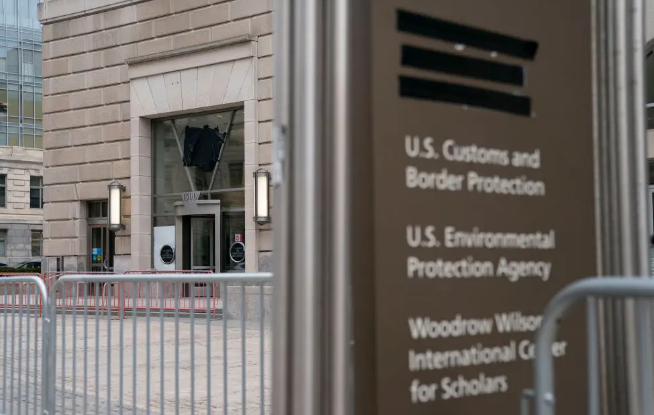
A union representing U.S. Agency for International Development (USAID) contractors has asked a federal judge to block the destruction of classified documents after an internal email directed staffers to burn and shred agency records.

U.S. District Judge Carl Nichols has ordered both the plaintiffs and the government to submit legal briefs by Wednesday morning addressing the issue. The request comes as the Trump administration continues to dismantle USAID, slashing funding, shutting down 83% of its programs, and dismissing most of its workforce.

Controversial Email Raises Alarm

The email in question, reportedly sent by Erica Carr, the acting executive secretary at USAID, instructed employees to clear classified safes and personnel records at the agency’s Washington headquarters. Staffers were directed to “shred as many documents first” and to place any remaining classified materials into designated burn bags if shredding demand exceeded capacity. Employees were also told to mark the bags with the word “secret.”

A source familiar with the email, who spoke anonymously for fear of reprisal, confirmed that it was sent to select essential personnel.

The State Department has not responded to inquiries about whether the agency was following legally mandated procedures for handling classified documents. Under federal law, the retention and disposal of classified records are strictly regulated, and improper destruction could lead to criminal charges.

Legal and Political Fallout

The Personal Services Contractor Association, which represents thousands of contractors who were either furloughed or dismissed in the agency’s restructuring, filed an emergency motion urging the court to intervene. The group argues that document destruction could interfere with ongoing lawsuits challenging USAID’s closure and mass terminations.

Rep. Gregory Meeks (D-NY), the ranking Democrat on the House Foreign Affairs Committee, condemned the alleged document destruction, suggesting it was an attempt to cover up wrongdoing.

“Haphazardly shredding and burning USAID documents and personnel files seems like a great way to get rid of evidence of wrongdoing when you’re illegally dismantling the agency,” Meeks said in a statement.

The American Foreign Service Association, which represents USAID workers, also expressed concern that destroyed documents might contain critical information related to lawsuits against the agency.

Classified Documents and Security Concerns

The issue of USAID’s classified documents first gained attention last month when the Trump administration placed the agency’s top two security officials on leave. The move came after they allegedly refused to grant access to classified material for members of an internal restructuring team linked to Elon Musk.

The Associated Press previously reported that some of these classified documents included intelligence reports. However, Kate Miller, a member of an advisory board overseeing the restructuring, insisted that no classified material was accessed without proper security clearances.

With USAID’s workforce dramatically reduced, only a handful of remaining staffers have access to agency systems, raising further concerns about the handling of sensitive government records.

As the legal battle unfolds, the fate of USAID’s documents—and the agency itself—remains uncertain.


Business

Fraudsters are increasingly using AI-generated images and videos to trick people into handing over sensitive personal and financial information, according to FraudSMART, the financial crime awareness initiative operated by the Banking and Payments Federation Ireland (BPFI). The organisation has reported a rise in online adverts promoting fake, State-backed investment schemes. These scams often use fabricated images of well-known politicians and business figures to make the offers appear legitimate and encourage users to click on registration links. Niamh Davenport, head of financial crime at BPFI, said scammers are deliberately exploiting recent media coverage of a planned State-backed savings and investment scheme to give their frauds a sense of credibility. “They often claim the scheme is open to everyone, but that places are limited and being ‘snapped up’ fast, in order to pressure people to act quickly,” she said. “They typically promise guaranteed returns or a guaranteed monthly income.” FraudSMART said that while anyone can be targeted, people in their early 50s are particularly vulnerable to investment scams. This age group is often focused on retirement planning, making them more receptive to financial offers that appear secure or high-yield. According to the organisation, most scams follow a similar pattern. Victims are first directed to click a registration link and complete a short online form providing their contact details. They are then contacted by someone posing as a financial adviser, who urges them to make an immediate “security deposit” to secure participation in the scheme. Once a payment is made, the money is quickly moved through multiple accounts, often overseas, making recovery extremely difficult. Davenport warned that scammers are becoming more sophisticated in their use of technology, particularly AI tools that allow them to create realistic but entirely fake promotional content. These materials are designed to mimic legitimate financial advertisements and build trust with potential victims. Recent figures from An Garda Síochána show investment fraud rose by 20% last year, with losses exceeding €20 million. The scale of individual scams varies widely, ranging from smaller crypto-related frauds involving a few hundred euro to large-scale investment schemes where victims lose tens of thousands. FraudSMART is urging the public to remain cautious when encountering online investment advertisements, especially those promising guaranteed returns or requiring urgent action. It also advises consumers to avoid sharing personal information with unverified sources and to be wary of pressure tactics designed to rush financial decisions. Authorities continue to warn that fraudsters are adapting quickly, using advanced digital tools to target victims across multiple platforms.

Trending

Business

Fraudsters are increasingly using AI-generated images and videos to trick people into handing over sensitive personal and financial information, according to FraudSMART, the financial crime awareness initiative operated by the Banking and Payments Federation Ireland (BPFI). The organisation has reported a rise in online adverts promoting fake, State-backed investment schemes. These scams often use fabricated images of well-known politicians and business figures to make the offers appear legitimate and encourage users to click on registration links. Niamh Davenport, head of financial crime at BPFI, said scammers are deliberately exploiting recent media coverage of a planned State-backed savings and investment scheme to give their frauds a sense of credibility. “They often claim the scheme is open to everyone, but that places are limited and being ‘snapped up’ fast, in order to pressure people to act quickly,” she said. “They typically promise guaranteed returns or a guaranteed monthly income.” FraudSMART said that while anyone can be targeted, people in their early 50s are particularly vulnerable to investment scams. This age group is often focused on retirement planning, making them more receptive to financial offers that appear secure or high-yield. According to the organisation, most scams follow a similar pattern. Victims are first directed to click a registration link and complete a short online form providing their contact details. They are then contacted by someone posing as a financial adviser, who urges them to make an immediate “security deposit” to secure participation in the scheme. Once a payment is made, the money is quickly moved through multiple accounts, often overseas, making recovery extremely difficult. Davenport warned that scammers are becoming more sophisticated in their use of technology, particularly AI tools that allow them to create realistic but entirely fake promotional content. These materials are designed to mimic legitimate financial advertisements and build trust with potential victims. Recent figures from An Garda Síochána show investment fraud rose by 20% last year, with losses exceeding €20 million. The scale of individual scams varies widely, ranging from smaller crypto-related frauds involving a few hundred euro to large-scale investment schemes where victims lose tens of thousands. FraudSMART is urging the public to remain cautious when encountering online investment advertisements, especially those promising guaranteed returns or requiring urgent action. It also advises consumers to avoid sharing personal information with unverified sources and to be wary of pressure tactics designed to rush financial decisions. Authorities continue to warn that fraudsters are adapting quickly, using advanced digital tools to target victims across multiple platforms.

You May Also Like

Politics

WASHINGTON — The Pentagon announced on Sunday that the United States will send a Terminal High Altitude Area Defense (THAAD) battery to Israel, alongside...

Health

NEW YORK — Teen smoking in the United States has reached an all-time low in 2024, with significant declines in overall youth tobacco use,...

Politics

WASHINGTON — As the countdown to the November 5 presidential election continues, former President Donald Trump is urging his supporters to aim for a...

Politics

In September, NASA announced that summer 2024 was the hottest on record. Just days later, the U.S. faced the dual impact of Hurricanes Helene...