


















Connect with us

Hi, what are you looking for?

Politics

U.S. State Department Freezes Foreign Aid Funding, Exempting Only Emergency Programs

The U.S. State Department announced a sweeping freeze on new foreign aid funding on Friday, halting many U.S.-funded projects worldwide. The freeze, which will last at least three months, applies to most areas of foreign assistance, including health, education, development, job training, anti-corruption efforts, and security assistance. However, exceptions were made for emergency food programs and military aid to Israel and Egypt.

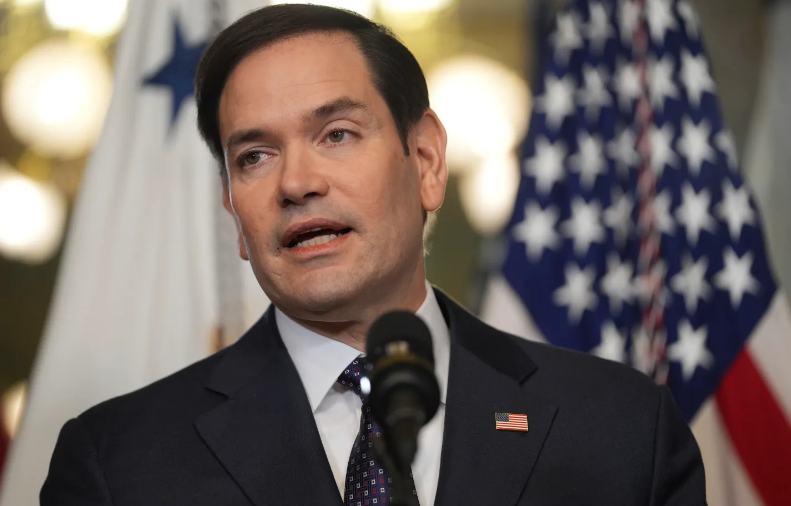
The freeze, issued by Secretary of State Marco Rubio, comes after President Donald Trump signed an executive order earlier in the week, instructing the suspension of foreign aid. The directive is intended to streamline U.S. foreign assistance in line with the administration’s foreign policy agenda, but it has drawn significant criticism, particularly from humanitarian organizations.

Abby Maxman, president of Oxfam America, warned that the freeze could have dire consequences, especially for vulnerable populations. “By suspending foreign development assistance, the Trump administration is threatening the lives and futures of communities in crisis,” Maxman said. She criticized the decision for abandoning the U.S.’s long-standing bipartisan approach to aiding those in need, regardless of political affiliation.

Among the most notable casualties of the freeze is the President’s Emergency Relief Plan for AIDS Relief (PEPFAR), a program that has been instrumental in combatting the global HIV/AIDS epidemic. Since its inception under President George W. Bush, PEPFAR has saved 25 million lives, including 5.5 million children. The suspension of PEPFAR funding is especially alarming to health experts, as the program is crucial in providing life-saving treatment and prevention efforts in affected regions.

Some U.S. foreign aid projects were already beginning to halt operations as a result of the freeze. Aid organizations are now scrambling to determine how to proceed, with many preparing to suspend their work to avoid incurring additional costs. A former senior official from the U.S. Agency for International Development (USAID) indicated that the order was interpreted as an immediate stop-work directive.

The freeze is part of a broader Republican initiative to reduce U.S. foreign aid. Representative Brian Mast, the new chairman of the House Foreign Affairs Committee, emphasized this week that Republicans would scrutinize every aspect of the State Department’s budget to ensure spending meets their stringent standards.

While military aid to Israel and Egypt is exempt from the freeze, there was no mention of similar waivers for Ukraine. Although President Biden’s administration pushed military aid to Ukraine prior to leaving office, it remains uncertain whether the Trump administration will continue this assistance.

The State Department also issued guidance to refugee resettlement agencies, instructing them to suspend their work under U.S. foreign assistance programs. This could affect ongoing resettlement efforts, including for Afghan refugees.

A full review of all U.S. foreign assistance programs is expected to be completed within the next three months, with recommendations to be submitted to President Trump following the review.


Business

Fraudsters are increasingly using AI-generated images and videos to trick people into handing over sensitive personal and financial information, according to FraudSMART, the financial crime awareness initiative operated by the Banking and Payments Federation Ireland (BPFI). The organisation has reported a rise in online adverts promoting fake, State-backed investment schemes. These scams often use fabricated images of well-known politicians and business figures to make the offers appear legitimate and encourage users to click on registration links. Niamh Davenport, head of financial crime at BPFI, said scammers are deliberately exploiting recent media coverage of a planned State-backed savings and investment scheme to give their frauds a sense of credibility. “They often claim the scheme is open to everyone, but that places are limited and being ‘snapped up’ fast, in order to pressure people to act quickly,” she said. “They typically promise guaranteed returns or a guaranteed monthly income.” FraudSMART said that while anyone can be targeted, people in their early 50s are particularly vulnerable to investment scams. This age group is often focused on retirement planning, making them more receptive to financial offers that appear secure or high-yield. According to the organisation, most scams follow a similar pattern. Victims are first directed to click a registration link and complete a short online form providing their contact details. They are then contacted by someone posing as a financial adviser, who urges them to make an immediate “security deposit” to secure participation in the scheme. Once a payment is made, the money is quickly moved through multiple accounts, often overseas, making recovery extremely difficult. Davenport warned that scammers are becoming more sophisticated in their use of technology, particularly AI tools that allow them to create realistic but entirely fake promotional content. These materials are designed to mimic legitimate financial advertisements and build trust with potential victims. Recent figures from An Garda Síochána show investment fraud rose by 20% last year, with losses exceeding €20 million. The scale of individual scams varies widely, ranging from smaller crypto-related frauds involving a few hundred euro to large-scale investment schemes where victims lose tens of thousands. FraudSMART is urging the public to remain cautious when encountering online investment advertisements, especially those promising guaranteed returns or requiring urgent action. It also advises consumers to avoid sharing personal information with unverified sources and to be wary of pressure tactics designed to rush financial decisions. Authorities continue to warn that fraudsters are adapting quickly, using advanced digital tools to target victims across multiple platforms.

Trending

Business

Fraudsters are increasingly using AI-generated images and videos to trick people into handing over sensitive personal and financial information, according to FraudSMART, the financial crime awareness initiative operated by the Banking and Payments Federation Ireland (BPFI). The organisation has reported a rise in online adverts promoting fake, State-backed investment schemes. These scams often use fabricated images of well-known politicians and business figures to make the offers appear legitimate and encourage users to click on registration links. Niamh Davenport, head of financial crime at BPFI, said scammers are deliberately exploiting recent media coverage of a planned State-backed savings and investment scheme to give their frauds a sense of credibility. “They often claim the scheme is open to everyone, but that places are limited and being ‘snapped up’ fast, in order to pressure people to act quickly,” she said. “They typically promise guaranteed returns or a guaranteed monthly income.” FraudSMART said that while anyone can be targeted, people in their early 50s are particularly vulnerable to investment scams. This age group is often focused on retirement planning, making them more receptive to financial offers that appear secure or high-yield. According to the organisation, most scams follow a similar pattern. Victims are first directed to click a registration link and complete a short online form providing their contact details. They are then contacted by someone posing as a financial adviser, who urges them to make an immediate “security deposit” to secure participation in the scheme. Once a payment is made, the money is quickly moved through multiple accounts, often overseas, making recovery extremely difficult. Davenport warned that scammers are becoming more sophisticated in their use of technology, particularly AI tools that allow them to create realistic but entirely fake promotional content. These materials are designed to mimic legitimate financial advertisements and build trust with potential victims. Recent figures from An Garda Síochána show investment fraud rose by 20% last year, with losses exceeding €20 million. The scale of individual scams varies widely, ranging from smaller crypto-related frauds involving a few hundred euro to large-scale investment schemes where victims lose tens of thousands. FraudSMART is urging the public to remain cautious when encountering online investment advertisements, especially those promising guaranteed returns or requiring urgent action. It also advises consumers to avoid sharing personal information with unverified sources and to be wary of pressure tactics designed to rush financial decisions. Authorities continue to warn that fraudsters are adapting quickly, using advanced digital tools to target victims across multiple platforms.

You May Also Like

Politics

WASHINGTON — The Pentagon announced on Sunday that the United States will send a Terminal High Altitude Area Defense (THAAD) battery to Israel, alongside...

Health

NEW YORK — Teen smoking in the United States has reached an all-time low in 2024, with significant declines in overall youth tobacco use,...

Politics

WASHINGTON — As the countdown to the November 5 presidential election continues, former President Donald Trump is urging his supporters to aim for a...

Politics

In September, NASA announced that summer 2024 was the hottest on record. Just days later, the U.S. faced the dual impact of Hurricanes Helene...