

















Connect with us

Hi, what are you looking for?

Politics

Trump’s Tariffs Set to Drive Up Costs for Homes, Cars, Energy, and Food

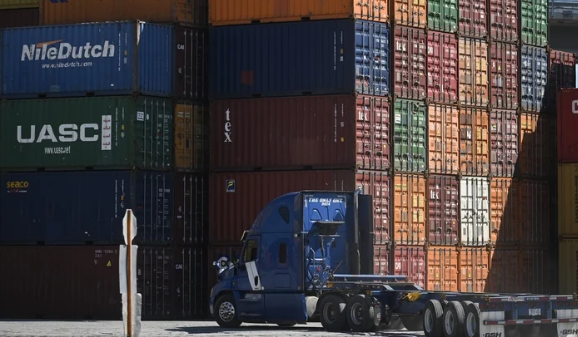
In a move aimed at reshaping U.S. trade policy, President Donald Trump announced sweeping tariffs on Mexico, Canada, and China on Feb. 1, a decision that is expected to increase costs for American consumers. The tariffs—25% on imports from Mexico and Canada and 10% on China—have sparked concerns over rising prices on housing, automobiles, energy, and food.

Delayed Tariffs, But Uncertainty Remains

Mexico and Canada have negotiated a temporary delay on the tariffs, with a one-month window to discuss border security and trade terms. However, Trump has made it clear that the tariffs could still take effect if agreements are not reached. Meanwhile, the 10% tariff on Chinese goods is set to go into effect on Feb. 4, leading to expected price hikes on imported goods.

The right-leaning Tax Foundation estimates that if these tariffs remain in place, they could cost the average U.S. household over $800 in 2025 alone.

Housing: Construction Costs Set to Soar

For Americans struggling with skyrocketing home prices, the tariffs are likely to make homeownership even less affordable. More than 70% of softwood lumber imports—a key material for homebuilding—come from Canada, and the new 25% tariff will add to the existing 14.5% tariff, driving up costs further. Additionally, Mexico is a major supplier of gypsum, a crucial material for drywall, which will also become more expensive.

“Tariffs on lumber increase construction costs and discourage new development,” said Carl Harris, chairman of the National Association of Home Builders (NAHB).

Experts warn that the housing shortage will worsen, as construction slows due to higher material and labor costs. The Trump administration’s crackdown on undocumented workers could also push labor costs higher, making new home construction even more expensive.

Automobiles: Tariffs Could Add Thousands to Car Prices

The U.S. auto industry relies heavily on cross-border supply chains, and the tariffs on Mexico and Canada threaten to disrupt production and increase prices. Michael Hicks, an economist at Ball State University, estimates that tariffs could add $2,000 to the price of a sedan and up to $5,000 for an SUV due to the high number of imported electronic components.

“These tariffs are going to mess up automobile supply chains,” said William Reinsch, senior advisor at the Center for Strategic and International Studies. “Even if the tariffs only apply to Canada, they will have a huge ripple effect on the industry.”

Energy: Higher Gas Prices Likely in the Midwest and Northeast

While Trump set lower tariffs (10%) on Canadian oil and natural gas, experts say gas prices are still likely to rise—especially in the Midwest, where refineries depend on Canadian crude.

“These refineries can’t easily switch to another source, so they’ll keep importing Canadian crude and simply pay the tariffs,” Reinsch explained.

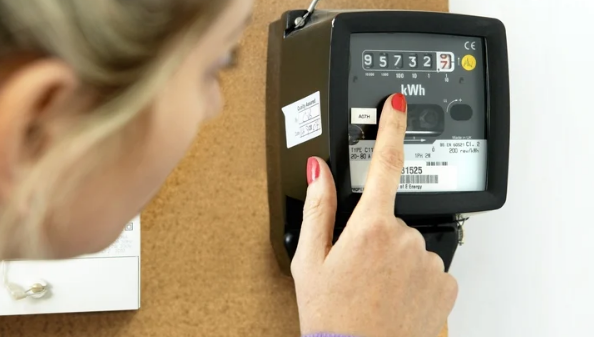
The energy tariffs may also impact electricity prices in the Northeast, which relies on Canadian hydropower. New England and New York import a significant portion of their electricity from Canada, and consumers could see higher utility bills as a result.

Food: Tariffs Threaten Grocery Prices

Americans may soon pay more at the grocery store, as the U.S. imports large quantities of produce, grain, and other food products from Canada and Mexico. The volume of imported fresh vegetables has risen nearly 200% in the last two decades, and tariffs could push those prices even higher.

Canadian farmers have warned that tariffs on grain will raise costs for bread, pasta, and even beer. Tara Sawyer, chair of the Grain Growers of Canada, said:
“Whether you’re growing crops or buying groceries, these tariffs will make life more expensive at a time when most are already being priced out.”

One surprising victim of the tariffs? Maple syrup. The U.S. is the largest importer of Canadian syrup, buying $280 million worth last year. Even Vermont’s maple syrup industry could be affected, as much of the equipment used to produce it comes from Canada.

Online Shopping: Chinese Goods to Get More Expensive

The 10% tariff on Chinese imports may seem smaller than the ones on Mexico and Canada, but a key provision in Trump’s trade order could significantly impact online shopping.

For years, Chinese companies have bypassed tariffs on small, inexpensive items—such as clothing, electronics, and furniture—by using a legal loophole called the de minimis provision, which exempts goods under $800 from tariffs. This has allowed online retailers like Temu and Shein to flood the U.S. market with low-cost goods.

Trump’s new executive order eliminates this exemption, meaning many Chinese goods will now be taxed. A U.S. Customs and Border Protection memo confirmed that, starting Feb. 4, 2025, all de minimis exemptions will be rejected.

What’s Next?

With negotiations ongoing with Mexico and Canada, there is still a chance that some of these tariffs could be reduced or lifted. However, as of now, Americans should brace for higher costs across multiple sectors.

Whether these tariffs achieve Trump’s goal of reshaping trade relationships or backfire by driving inflation higher remains to be seen—but for now, consumers will feel the impact in their wallets.


Business

Fraudsters are increasingly using AI-generated images and videos to trick people into handing over sensitive personal and financial information, according to FraudSMART, the financial crime awareness initiative operated by the Banking and Payments Federation Ireland (BPFI). The organisation has reported a rise in online adverts promoting fake, State-backed investment schemes. These scams often use fabricated images of well-known politicians and business figures to make the offers appear legitimate and encourage users to click on registration links. Niamh Davenport, head of financial crime at BPFI, said scammers are deliberately exploiting recent media coverage of a planned State-backed savings and investment scheme to give their frauds a sense of credibility. “They often claim the scheme is open to everyone, but that places are limited and being ‘snapped up’ fast, in order to pressure people to act quickly,” she said. “They typically promise guaranteed returns or a guaranteed monthly income.” FraudSMART said that while anyone can be targeted, people in their early 50s are particularly vulnerable to investment scams. This age group is often focused on retirement planning, making them more receptive to financial offers that appear secure or high-yield. According to the organisation, most scams follow a similar pattern. Victims are first directed to click a registration link and complete a short online form providing their contact details. They are then contacted by someone posing as a financial adviser, who urges them to make an immediate “security deposit” to secure participation in the scheme. Once a payment is made, the money is quickly moved through multiple accounts, often overseas, making recovery extremely difficult. Davenport warned that scammers are becoming more sophisticated in their use of technology, particularly AI tools that allow them to create realistic but entirely fake promotional content. These materials are designed to mimic legitimate financial advertisements and build trust with potential victims. Recent figures from An Garda Síochána show investment fraud rose by 20% last year, with losses exceeding €20 million. The scale of individual scams varies widely, ranging from smaller crypto-related frauds involving a few hundred euro to large-scale investment schemes where victims lose tens of thousands. FraudSMART is urging the public to remain cautious when encountering online investment advertisements, especially those promising guaranteed returns or requiring urgent action. It also advises consumers to avoid sharing personal information with unverified sources and to be wary of pressure tactics designed to rush financial decisions. Authorities continue to warn that fraudsters are adapting quickly, using advanced digital tools to target victims across multiple platforms.

Trending

Business

Fraudsters are increasingly using AI-generated images and videos to trick people into handing over sensitive personal and financial information, according to FraudSMART, the financial crime awareness initiative operated by the Banking and Payments Federation Ireland (BPFI). The organisation has reported a rise in online adverts promoting fake, State-backed investment schemes. These scams often use fabricated images of well-known politicians and business figures to make the offers appear legitimate and encourage users to click on registration links. Niamh Davenport, head of financial crime at BPFI, said scammers are deliberately exploiting recent media coverage of a planned State-backed savings and investment scheme to give their frauds a sense of credibility. “They often claim the scheme is open to everyone, but that places are limited and being ‘snapped up’ fast, in order to pressure people to act quickly,” she said. “They typically promise guaranteed returns or a guaranteed monthly income.” FraudSMART said that while anyone can be targeted, people in their early 50s are particularly vulnerable to investment scams. This age group is often focused on retirement planning, making them more receptive to financial offers that appear secure or high-yield. According to the organisation, most scams follow a similar pattern. Victims are first directed to click a registration link and complete a short online form providing their contact details. They are then contacted by someone posing as a financial adviser, who urges them to make an immediate “security deposit” to secure participation in the scheme. Once a payment is made, the money is quickly moved through multiple accounts, often overseas, making recovery extremely difficult. Davenport warned that scammers are becoming more sophisticated in their use of technology, particularly AI tools that allow them to create realistic but entirely fake promotional content. These materials are designed to mimic legitimate financial advertisements and build trust with potential victims. Recent figures from An Garda Síochána show investment fraud rose by 20% last year, with losses exceeding €20 million. The scale of individual scams varies widely, ranging from smaller crypto-related frauds involving a few hundred euro to large-scale investment schemes where victims lose tens of thousands. FraudSMART is urging the public to remain cautious when encountering online investment advertisements, especially those promising guaranteed returns or requiring urgent action. It also advises consumers to avoid sharing personal information with unverified sources and to be wary of pressure tactics designed to rush financial decisions. Authorities continue to warn that fraudsters are adapting quickly, using advanced digital tools to target victims across multiple platforms.

You May Also Like

Politics

WASHINGTON — The Pentagon announced on Sunday that the United States will send a Terminal High Altitude Area Defense (THAAD) battery to Israel, alongside...

Health

NEW YORK — Teen smoking in the United States has reached an all-time low in 2024, with significant declines in overall youth tobacco use,...

Politics

WASHINGTON — As the countdown to the November 5 presidential election continues, former President Donald Trump is urging his supporters to aim for a...

Politics

In September, NASA announced that summer 2024 was the hottest on record. Just days later, the U.S. faced the dual impact of Hurricanes Helene...