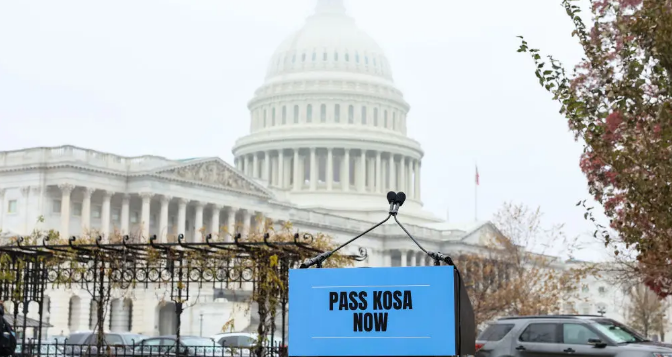
In what could be the first major legislative move on children’s internet safety in over two decades, the Kids Online Safety Act (KOSA) has been reintroduced in Congress, reigniting a national debate over how best to protect minors in an increasingly digital world.
The bipartisan bill, first introduced in 2022 and stalled last year, aims to impose new responsibilities on tech companies to shield young users from harmful content, including material linked to mental health issues like depression, eating disorders, and addiction-like behavior. If passed, it would mark the most significant update to online child protection laws since 1998.
Backed by Senators Richard Blumenthal (D-CT) and Marsha Blackburn (R-TN), and supported by Senate leaders Chuck Schumer and John Thune, KOSA would create a “duty of care” for online platforms. This means companies would be required to actively prevent content that could harm minors’ mental or emotional well-being.
“KOSA is an idea whose time has come—in fact, it’s urgently overdue,” said Blumenthal, noting that some of the same tech firms the bill seeks to regulate, including Apple and X (formerly Twitter), now endorse the legislation.
Yet, the bill remains controversial. Critics, including civil liberties and LGBTQ+ advocacy groups, argue that its language could open the door to censorship and state-level control over what content is deemed “harmful” to children. The American Civil Liberties Union and others have warned it could suppress access to legitimate educational or identity-affirming content under the guise of protection.
A revised version of the bill introduced earlier this month attempts to address those concerns by clarifying that neither the Federal Trade Commission nor state attorneys general would have the power to censor or remove content based on its message or viewpoint.
Former U.S. Rep. Patrick J. Kennedy spoke passionately about the issue on NBC’s Meet the Press last weekend, calling the lack of regulation a national failure. “This is a fight,” Kennedy said. “And we are losing… because we’re not out there fighting for our kids.”
The legislation’s reintroduction follows growing global momentum on the issue. Australia recently banned social media use for children under 16, and U.S. states like Utah and Texas have taken steps to verify users’ ages or limit minors’ access to platforms.
KOSA now awaits further action in Congress, needing approval from both chambers and a signature from President Donald Trump to become law. While political support appears strong, concerns over free speech and enforcement remain central to the debate.