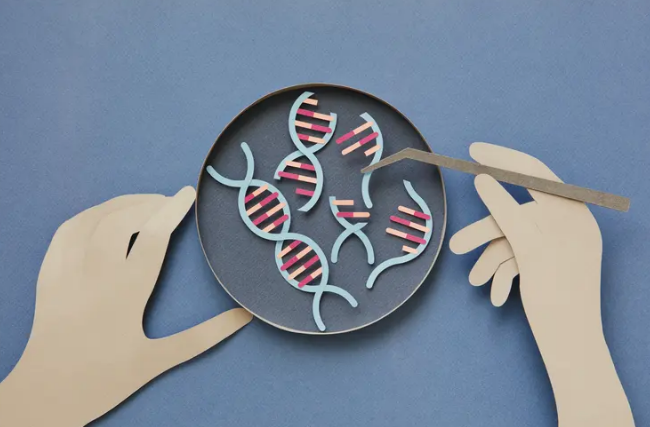
A gene-editing treatment has helped people with severe cholesterol and triglyceride problems maintain significantly lower levels of the blood fats for at least a year, according to new research published in the New England Journal of Medicine.
The treatment uses CRISPR technology to modify a gene called ANGPTL3, which plays an important role in regulating cholesterol and triglycerides. Researchers hope the approach could eventually offer an alternative to medications that must be taken every day.
Heart disease remains the world’s leading cause of death, and high levels of LDL cholesterol and triglycerides are major risk factors. Current treatments, including statins, can lower these levels effectively, but some patients struggle to take medication consistently over many years.
The experimental therapy was developed by CRISPR Therapeutics and is designed to reproduce a naturally occurring genetic change found in a group of people in Italy. Scientists found that people born with defective ANGPTL3 genes tended to have lower LDL cholesterol and triglyceride levels and appeared to have much lower rates of heart disease.
The study involved 15 people with severe forms of high cholesterol and triglycerides. Depending on the dose received, participants experienced reductions in the two blood fats of as much as 50%. The latest findings showed that these reductions were maintained for at least 12 months.
Patients who received the highest dose experienced an almost 80% reduction in levels of the ANGPTL3 protein. This was associated with roughly 50% reductions in LDL cholesterol and triglycerides.
Dr Luke Laffin of the Cleveland Clinic, the study’s lead author, said the durability of the results represented an important development for CRISPR-based treatment.
The therapy targets liver cells, where much of the body’s cholesterol and triglycerides are produced. Researchers believe the sustained effect indicates that enough liver cells were successfully edited and continued to carry the genetic change as new cells developed.
No significant safety problems were reported in the small study. Researchers had expected the treatment to have a relatively favourable safety profile because people naturally born with inactive ANGPTL3 genes have not been found to experience major health problems linked to the mutation.
The findings raise the possibility of a one-time treatment for people at particularly high risk of cardiovascular disease. Unlike statins and other medicines, which require regular doses, gene editing could potentially provide a lasting reduction in cholesterol after a single treatment.
However, the research remains at an early stage. The study involved only 15 participants, and much larger trials will be needed to determine the treatment’s long-term safety and effectiveness.
CRISPR Therapeutics has already begun the next phase of testing, focusing on people with severe cholesterol and triglyceride disorders. The company expects further results later this year.
If larger studies continue to produce positive findings, researchers may eventually investigate whether the treatment could benefit people with more moderate cholesterol elevations.
The prospect of a single treatment that could permanently reduce a major cardiovascular risk factor is attracting significant interest. Scientists caution, however, that further research is needed before gene editing can become a routine treatment for high cholesterol.
You must be logged in to post a comment Login