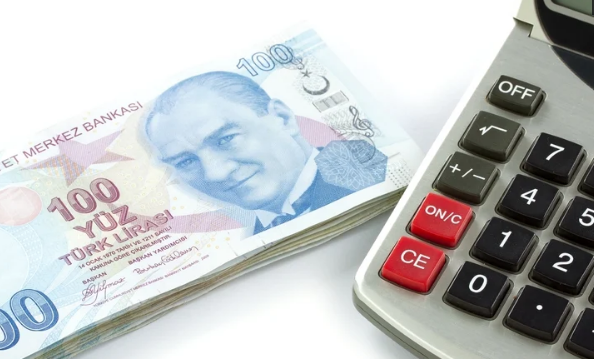
Turkey’s annual consumer inflation rate eased to 31.51% in August, according to official data, while monthly price growth came in slightly below economists’ expectations.
The Turkish Statistical Institute said consumer prices increased 1.84% from July to August. A Reuters poll had forecast monthly inflation of 1.93% and an annual rate of 31.62%.
Price increases were led by education, which rose more than 8% during the month. Alcoholic beverages and tobacco products increased by about 7%, while transportation costs climbed 4.8%.
Rising oil prices linked to tensions between Iran and the United States continue to pose a risk to Turkey’s inflation outlook. The government has introduced measures aimed at limiting the effect of fuel price volatility on consumers.
Turkey removed a special consumption tax on diesel until the end of August as part of those efforts. The tax is expected to be gradually reinstated. Gasoline and liquefied petroleum gas will remain under a sliding-scale fuel tax system until October 1, helping to limit the impact of increases in global energy prices.
In July, consumer prices increased 1.78% month-on-month and 31.75% compared with a year earlier.
The latest figures come after the Central Bank of the Republic of Turkey resumed one-week repo auctions late last month. The auctions had been suspended since March as authorities sought to manage the inflationary effects of the conflict involving Iran.
Following the move, overnight interest rates in Turkey fell to 37% from 40%.
The central bank raised its forecast for year-end inflation in August, predicting a rate of 28% compared with its previous estimate of 26%. It cited developments in diesel, natural gas and other commodity prices as factors behind the revision.
Economists surveyed in August slightly reduced their year-end inflation forecast to 29.5%. Their projection, however, remains above the central bank’s target.
Financial markets currently expect the central bank to keep its policy rate unchanged at its next meeting on September 10. Investors are closely watching developments in the conflict involving Iran, particularly any impact on energy prices and domestic inflation.
The producer price index also recorded a significant increase in August. Domestic producer prices rose 2.57% from July and were 27.95% higher than a year earlier.
The inflation figures will be closely watched as Turkey continues efforts to bring price growth under control while dealing with pressure from energy and commodity markets. The government’s fuel tax measures and the central bank’s interest rate decisions are expected to remain important factors for households and businesses in the months ahead.
You must be logged in to post a comment Login