
















Oil prices were mixed on Monday as investors weighed stalled diplomatic efforts to ease tensions in the Middle East against the continued flow of crude through the Strait of Hormuz.
Brent crude futures rose 27 cents, or 0.31 percent, to $88.79 a barrel in morning trading after reaching $89.40 earlier in the session. US West Texas Intermediate crude fell 24 cents, or 0.29 percent, to $82.16.
Both benchmarks gained more than 5 percent last week after attacks involving tankers operated by Abu Dhabi National Oil Company in the Strait of Hormuz and an attack on a Saudi Aramco refinery increased concerns about supplies.
Despite the recent gains, analysts said prices were unlikely to rise sharply unless oil flows through the Strait of Hormuz were significantly disrupted.
Bjarne Schieldrop of SEB Research said a more substantial increase would probably require a halt to the movement of crude through the strait at night or a closure of the Bab el-Mandeb Strait, another major shipping route linking the Red Sea with the Gulf of Aden.
For now, oil was trading close to $90 as markets balanced the possibility of deeper supply disruptions against hopes that diplomatic efforts could eventually reopen key shipping routes and send prices lower.
Iranian Foreign Minister Abbas Araqchi said over the weekend that Tehran had not decided whether to resume talks with the United States. US President Donald Trump, meanwhile, urged Americans to accept somewhat higher gasoline prices while the conflict continues.
Iranian Foreign Ministry spokesperson Esmaeil Baghaei said discussions with Oman were continuing but were taking time because of the complexity of the issues, the involvement of several parties and attempts by some countries to disrupt the process.
Priyanka Sachdeva, head of market insights at Phillip Nova in Singapore, said the upside for oil remained limited unless there was clear evidence of renewed attacks in the Strait of Hormuz, particularly damage to tankers or oil infrastructure.
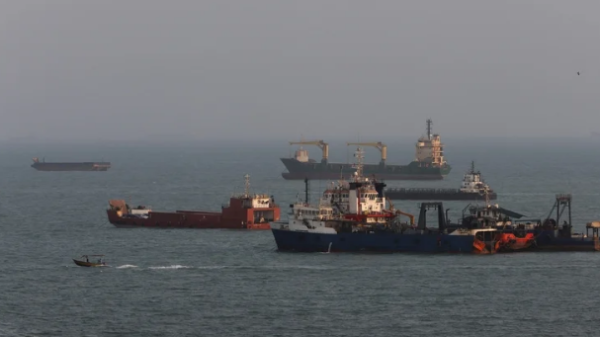
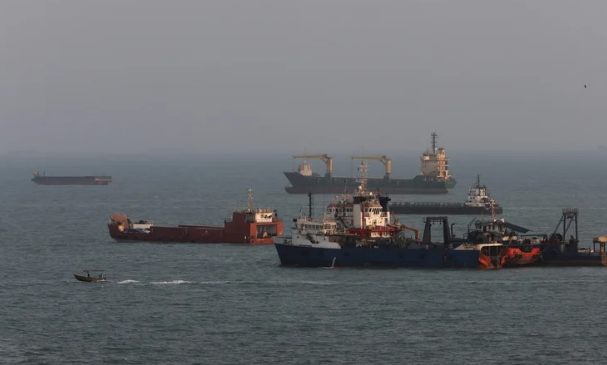
Shipping activity through the strait slowed over the weekend. Kpler data showed that five commodity vessels crossed on Saturday, while no crossings were recorded on Sunday. The previous weekend had seen 31 such transits.
ANZ said Gulf oil exports had increased slightly despite continuing attacks and noted that some vessels were reportedly travelling through the strait without their tracking transponders active.
The Strait of Hormuz handled about one-fifth of global oil and liquefied natural gas supplies before US-Israeli attacks on Iran began in late February, making any prolonged disruption a major risk for energy markets.
The UAE also accused Iran of attacking a third ADNOC-operated vessel transiting the strait on Friday, according to state news agency WAM, following two earlier incidents involving ADNOC vessels reported on Thursday.
Markets are now watching both the security situation around the strait and diplomatic efforts for signs of whether supply risks will intensify or ease.