

















A sharp rise in energy prices is expected to drive inflation significantly higher this month, with rates projected to reach between 3.5 per cent and 4 per cent, up from 2.7 per cent in February, according to Bank of Ireland.
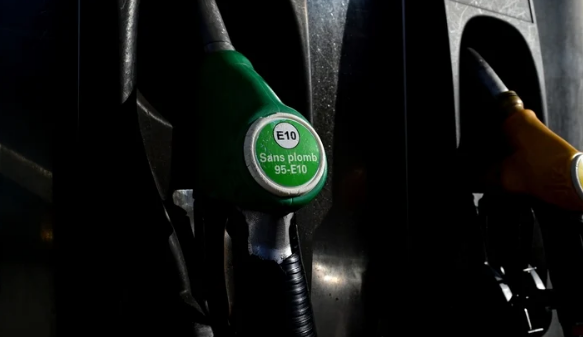
The increase is being fuelled by surging fuel and heating costs, as global energy markets remain volatile amid ongoing tensions in the Middle East. In a research note, the bank’s chief economist Conall Mac Coille said rising petrol and diesel prices alone are likely to add around 0.5 percentage points to inflation.
He added that the steep jump in home heating oil prices, which have risen by an estimated 70 to 80 per cent, could contribute a further 0.6 to 0.7 percentage points to the overall cost of living. These increases are also expected to have knock-on effects across the economy.
Inflation will also be pushed up by the indirect impact of energy prices on food and other goods, as higher transport and production costs filter through supply chains. This broader effect is likely to place additional pressure on household budgets already facing rising living expenses.
Government officials have signalled that a reduction in excise duty on fuel is under consideration in an effort to ease the burden on consumers. However, Mac Coille noted that the scale of any such measure remains unclear and any impact would not be reflected until April’s inflation figures.
The bank had previously forecast consumer spending to grow by 2.3 per cent in real terms this year. That outlook is now under review, with the possibility of a downward revision of between 1 and 2 percentage points if elevated energy costs persist. Households may adjust by reducing savings in order to cope with higher fuel bills, which could weaken overall economic momentum.
Mac Coille cautioned that there remains a high level of uncertainty surrounding developments in the Middle East and their potential impact on energy supply. Financial markets are already reacting to the risks, with investors anticipating tighter monetary policy in response to rising inflation.
Current market pricing suggests the European Central Bank could implement three interest rate increases this year, lifting its main rate from 2 per cent to around 2.75 per cent. At the same time, borrowing costs for European governments have risen, reflecting concerns about prolonged disruption in oil supply.
In Ireland, the yield on 10-year government bonds has climbed to 3.35 per cent, up from 3 per cent in January. Stock and bond markets are increasingly factoring in the possibility of sustained volatility in energy markets, with implications for inflation, interest rates, and economic growth in the months ahead.
The outlook remains closely tied to global developments, as policymakers and investors monitor whether the current surge in energy prices will ease or continue to weigh on economies across Europe.