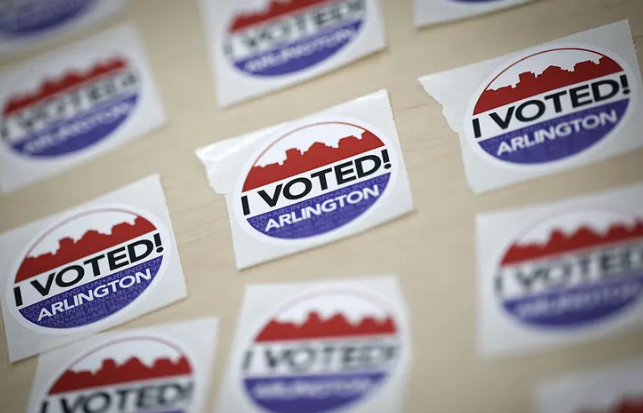
A closely contested referendum in Virginia has passed, opening the door for Democrats to redraw congressional districts and potentially gain ground in the U.S. House ahead of the 2026 midterm elections.
The ballot measure secured 51 percent support from roughly three million voters, according to results confirmed late Tuesday. The outcome temporarily grants the state’s Democrat-controlled General Assembly authority to redraw Virginia’s congressional map, a move that could shift the balance of power in Washington.
“Virginia just changed the trajectory of the 2026 midterms,” said Don Scott, speaker of the state’s House of Delegates, after the result was called.
Virginia currently has 11 congressional districts, six of which are held by Democrats. Under the proposed changes, Democrats could gain an advantage in up to 10 districts, strengthening their position as they seek to reclaim control of the House, where Republicans now hold a narrow majority.
The measure allows lawmakers to redraw district lines until October 31, 2030. After that, authority will return to the state’s nonpartisan redistricting commission. The decision marks a significant moment in an ongoing national contest between the two major parties to reshape electoral maps in their favor.
The vote followed an intense and costly campaign. Nearly $100 million in funding from tax-exempt groups flowed into the state, much of it from organizations not required to disclose their donors. The main group backing the referendum, Virginians for Fair Elections, received about $64 million between December 2025 and April. Opponents, led by the Virginians for Fair Maps committee, raised at least $23 million.
Legal challenges had threatened to derail the referendum. A lower court initially blocked the measure, but the Virginia Supreme Court allowed the vote to proceed, stating it would review the amendment’s legality afterward.
The outcome comes amid a broader push across the United States to redraw congressional maps outside the traditional once-a-decade cycle tied to the census. Last year, Donald Trump urged Republican-led states to revisit district boundaries to strengthen their electoral prospects.
Several states have already acted. Texas approved a new map that could add up to five Republican seats, while Missouri and North Carolina each stand to gain one. Ohio could also see an increase in Republican representation under a recently approved plan.
Democrats, meanwhile, have pursued similar strategies. California voters backed a measure allowing new district lines that could favor Democrats, and a court ruling in Utah may open the door for an additional Democratic seat.
With both parties seeking every possible advantage, Virginia’s decision is expected to play a key role in shaping the political landscape in the months leading up to the midterms.