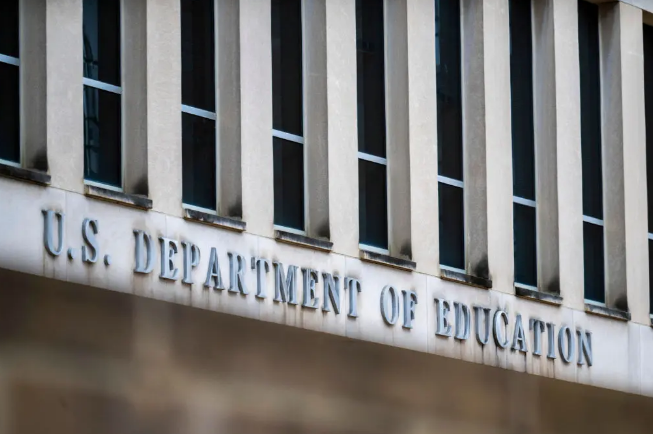
Millions of Americans who have seen their monthly student loan payments reduced to as low as $0 under the Biden Administration’s Saving on Valuable Education (SAVE) plan could soon be required to switch repayment programs and resume paying off their loans. The Department of Education announced this week that it had reached an agreement with the state of Missouri to end the income-driven program, which currently serves around seven million borrowers. The move still requires court approval.
Under the agreement, no new borrowers will be enrolled in SAVE, and existing participants will have a limited period to select an alternative repayment plan. The Trump Administration has argued that the program is illegal and overly generous, claiming it would have cost taxpayers more than $342 billion over ten years.
“The law is clear: if you take out a loan, you must pay it back,” said Under Secretary of Education Nicholas Kent. “Thanks to the State of Missouri and other states fighting against this egregious federal overreach, American taxpayers can now rest assured they will no longer be forced to serve as collateral for illegal and irresponsible student loan policies.”
The Biden Administration launched SAVE in August 2023 to provide relief for borrowers by reducing monthly payments based on income and family size. The program allowed millions to cut their payments, with about 4.6 million borrowers lowering payments to $0. It also offered early forgiveness for low-balance loans. Despite its popularity, SAVE faced legal challenges from Republican-led states, culminating in a federal court ruling in February 2024 that temporarily blocked the program.
While the Biden-era Education Department had placed SAVE participants in interest-free forbearance amid litigation, interest accrual resumed in August 2024 to comply with court orders. Borrowers were encouraged to transition to other repayment plans to continue progress toward loan forgiveness programs.
If the court approves the agreement, borrowers will need to choose from other income-driven repayment (IDR) options or revert to the Standard Repayment Plan. Alternatives include the Income-Based Repayment (IBR) Plan, which calculates monthly payments based on discretionary income, typically around 10% of that amount. The Standard Repayment Plan spreads payments over 10 to 30 years, depending on whether loans are consolidated, with generally higher monthly payments but lower total interest.
The recently passed “Big Beautiful Bill” gives affected borrowers until July 1, 2028, to select a new plan. The legislation also introduces a revised standard repayment plan and a new Repayment Assistance Plan while phasing out some older IDR options, such as the Pay As You Earn (PAYE) and Income-Contingent Repayment (ICR) plans.
Advocacy groups have warned that ending SAVE will remove the most affordable repayment option for millions of borrowers, potentially making it harder for them to stay current on loans while managing living expenses. The Education Department has pledged to provide guidance and tools, including a loan simulator, to help borrowers navigate the transition to alternative repayment plans.