Netflix last week secured a victory in its months-long bidding war for Warner Bros. Discovery, reaching a deal that would unite the two media giants and give Netflix ownership of streaming rival HBO Max. While the deal could reshape the streaming landscape, President Donald Trump and his administration may intervene, signaling a potentially contentious regulatory review.
Under U.S. law, the merger does not fall under the Federal Communications Commission because neither Netflix nor Warner Bros. owns a broadcast station. However, the acquisition still requires approval from antitrust regulators, including the Department of Justice (DOJ), and will face scrutiny from European authorities.
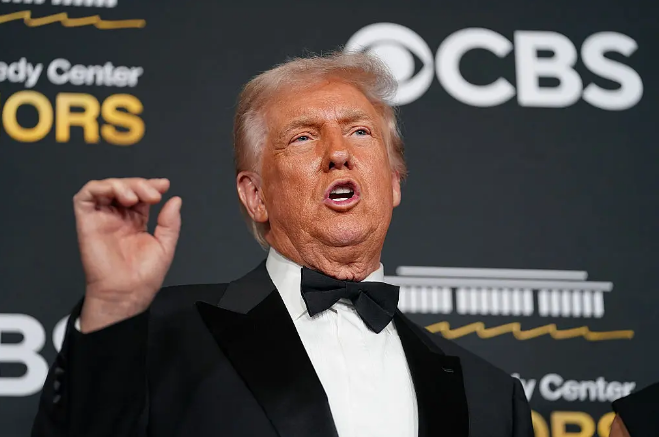
Netflix co-CEO Ted Sarandos expressed confidence that regulators would approve the deal. President Trump, speaking Sunday at the Kennedy Center, raised concerns about the market power the combined entity would hold. “They have a very big market share. When they have Warner Bros., that share goes up a lot,” Trump said. He added that he would consult economists before weighing in on the merger. A senior administration official told CNBC that the deal was being viewed with “heavy skepticism.”
Under the Hart-Scott-Rodino Act, large mergers require pre-merger notifications to the FTC and DOJ, triggering a mandatory waiting period while regulators assess potential antitrust issues. Agencies can request additional information, interview company personnel, and, if necessary, block the transaction by filing a preliminary injunction in federal court.
Antitrust experts say the outcome will depend on how the DOJ defines the relevant market. Eleanor Fox, a professor emerita at New York University Law School, noted that a strict interpretation focusing narrowly on streaming could raise antitrust concerns, while a broader view including cable, YouTube, and other platforms could favor approval. Trump’s stated involvement in the review marks a departure from precedent, where presidents generally avoid direct influence over DOJ antitrust decisions. Diana Moss, former president of the American Antitrust Institute, warned that such interference could undermine due process and the rule of law.
Complicating matters, Paramount launched a $30-per-share hostile bid for Warner Bros., exceeding Netflix’s $27.75 offer. Paramount CEO David Ellison, highlighting his relationship with Trump, framed the bid as a way to maintain competition in the streaming market. The board of Warner Bros. had already approved the Netflix deal, but Paramount’s counteroffer has intensified the public attention on the acquisition.
The deal must also navigate state-level regulatory approvals and reviews from European authorities, where Trump’s tariff leverage and international trade relations could influence scrutiny. Congressional oversight is expected as well, with Senate antitrust committees likely to conduct hearings on the merger’s competitive impact.
As the regulatory process unfolds, Netflix faces multiple layers of review and potential opposition, making the realization of the Warner Bros. acquisition uncertain despite its initial success in the bidding war.