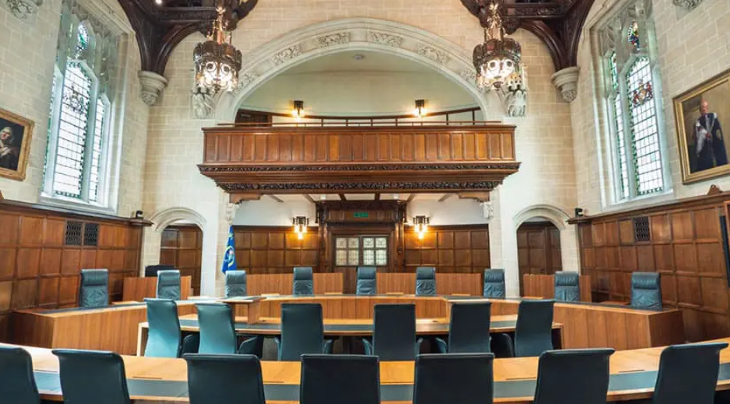
His Majesty’s Courts and Tribunals Service (HMCTS) has banned Meta smart glasses from court buildings across England and Wales, citing concerns over unauthorised photography, video recording and audio capture.
Security staff have been instructed to confiscate the devices from visitors entering court buildings and return them when they leave. The restriction applies to Meta’s smart glasses, which can take photographs and record video while being worn.
“There are clear restrictions on taking images or videos within courts and tribunals which is why the use of Meta glasses is prohibited,” an HMCTS spokesperson said.
HMCTS operates criminal, civil and family courts across England and Wales. Smartphones are still allowed inside court buildings as long as they are not used to record proceedings. Smart glasses have not been given the same exception because they can record without being held in a user’s hand.
UK law already places strict restrictions on recording and photography in courts. Section 41 of the Criminal Justice Act 1925 prohibits photographs, portraits and sketches of judges, jurors, witnesses and parties involved in proceedings. The restriction applies inside courtrooms and elsewhere within court buildings and their surrounding areas.
The Contempt of Court Act 1981 also restricts unauthorised sound recordings in court. Anyone who breaches these rules could face contempt of court proceedings.
Concerns about smart glasses have already emerged in a UK legal case. Earlier this year, a claimant involved in a High Court case was accused of using smart glasses to receive coaching while being cross-examined. He denied the allegation and said the glasses were not connected to his phone.
The HMCTS decision follows a similar move by New York’s court system, which introduced restrictions on smart glasses last month.
Meta’s Ray-Ban smart glasses can capture photographs and video while being worn. The company says a flashing LED indicates when recording is taking place and that built-in technology is designed to prevent users from covering the light.
The growing use of smart glasses has also raised wider privacy concerns. Privacy lawyer Clara Westbrook said the technology could create problems for organisations because people may not realise they are being recorded.
She said footage stored on wearable devices could also be considered personal data and may become subject to data access requests under UK privacy rules.
The Information Commissioner’s Office says organisations may need to provide personal information stored on employees’ personal devices when they remain responsible for that data. Footage containing information about other people may need to be edited before being released.
The court ban highlights growing concerns among public institutions and businesses about how existing privacy and security rules apply to wearable technology capable of discreet recording.