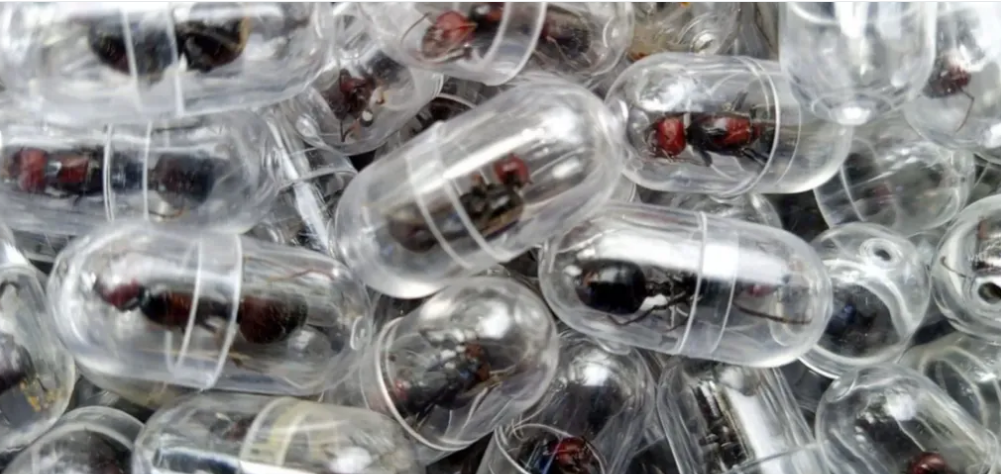
A Chinese national and his Kenyan associate have been charged with illegally trafficking wildlife after attempting to smuggle more than 2,000 live queen garden ants out of Kenya.
Zhang Kequn was arrested last week at Jomo Kenyatta International Airport in Nairobi when authorities discovered the insects concealed in his luggage. The ants were packed in test tubes and wrapped in tissue. Kenyan authorities say the consignment was bound for China.
Court proceedings on Tuesday revealed that Zhang purchased the ants from Charles Mwangi at a rate of 10,000 Kenyan shillings ($77; £58) per 100 ants. Both men now face charges of illegal dealing in wildlife and conspiring to commit a felony. Mwangi additionally faces a separate count after being found with live ants on a different occasion.
The defendants have pleaded not guilty, according to local media. Zhang’s lawyer, David Lusweti, told the Associated Press that the men were unaware they were violating the law. “They saw potential to sell the ants abroad and believed they could make a living from it,” he said.
The two are expected to appear in court again on 27 March. Authorities from the Kenya Wildlife Service have indicated that further arrests may follow as investigations expand to other towns suspected of ant harvesting.
Kenyan officials have warned about a growing demand for queen garden ants in Europe and Asia, where they are collected as exotic pets. While it has not been confirmed that Zhang and Mwangi intended to sell the insects to private collectors, their shipment aligns with past trends of smuggling live ants for international markets.
This case follows a similar incident in May last year, when a Kenyan court sentenced four men to one year in prison or fined them $7,700 (£5,800) for attempting to export thousands of live queen ants to Europe and Asia.
The repeated incidents have raised concerns among conservationists about the illegal wildlife trade, which threatens local ecosystems. Authorities emphasize that queen ants are considered wildlife under Kenyan law, and their trafficking is treated as a serious offense.
Zhang and Mwangi’s case highlights ongoing challenges in regulating the export of live insects and other wildlife species. Officials say continued enforcement and public awareness campaigns are essential to curb the growing international demand for exotic animals.
The court proceedings are expected to continue as Kenya investigates the wider network potentially involved in ant harvesting and trafficking. Authorities are urging the public to report any suspicious activity related to the illegal wildlife trade.
You must be logged in to post a comment Login