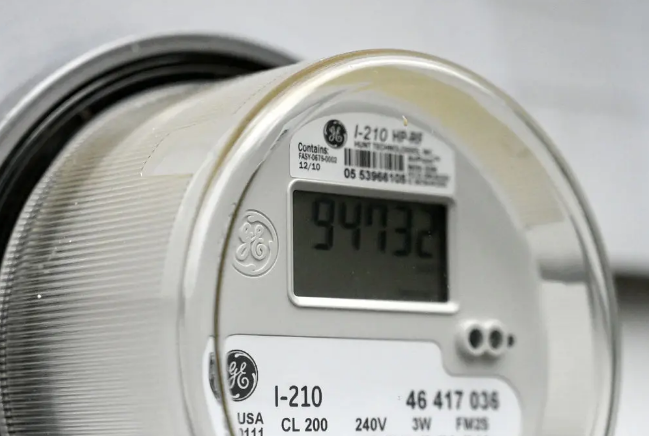
Georgia has become a focal point in the growing political storm over rising electricity bills, as residents across the state voice frustration with repeated rate hikes and activists seek to channel that anger into electoral momentum.
From metro Atlanta to rural communities, Georgians are grappling with soaring utility costs that have outpaced inflation. According to a recent survey by PowerLines, a nonprofit advocating utility reform, 73% of Americans are concerned about rising utility costs. Another poll conducted in 2024 by consulting firm EY revealed that two-thirds of Americans said they could not absorb even a 10% increase in their energy bills.
The backlash is spilling into politics. Peter Hubbard, a solar developer running for a seat on Georgia’s Public Service Commission—which oversees the state’s energy sector—has centered his campaign on affordability. While committed to climate issues, Hubbard says the affordability message resonates more deeply with voters. “It just depends on the audience,” he explained. “If it’s the right audience, I talk about climate change, but it’s along for the ride.”
The stakes extend far beyond Georgia. Analysts warn that rising public anger over utility costs could stall the expansion of new power infrastructure nationwide—threatening projects critical to meeting demand from energy-intensive data centers and undermining efforts to transition to cleaner power sources.
For decades, climate advocates struggled to make global warming a relatable issue for everyday Americans. Now, many are encountering the consequences of the energy system more directly through their monthly bills. This shift comes at a turbulent moment for the U.S. climate movement. The Inflation Reduction Act, once considered a landmark achievement, has been dismantled. Meanwhile, environmental nonprofits are laying off staff as funding wanes and the Trump administration escalates efforts to discredit climate science.
Energy affordability is emerging as a powerful new rallying point. With utilities planning to build additional natural gas plants to meet demand, critics argue that consumers could face even higher bills. Clean power projects, by contrast, could ease price pressures, particularly when supported by subsidies that once flowed through federal climate legislation.
Research from the clean energy nonprofit RMI suggests that up to 95% of future demand over the next decade could be met through clean solutions such as advanced transmission, renewable power, and efficiency measures—approaches that also align with affordability goals.
Whether this affordability narrative becomes a bridge to broader climate action remains uncertain. For now, it has energized voters and activists in Georgia and beyond, creating a political flashpoint with implications for the future of U.S. energy policy.