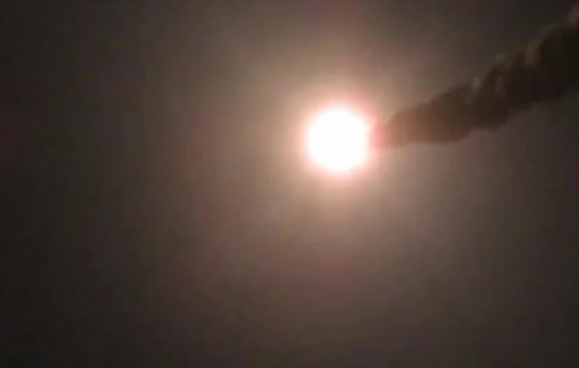
A new series of Iranian missile strikes on the territory of Qatar and several neighboring countries in the Gulf region has sparked a strong reaction from Qatar, which warned that it is a dangerous escalation of the conflict between Iran and the United States.
The Ministry of Foreign Affairs of Qatar “strongly condemned” the attacks in a statement, claiming that Iran had attacked not only Qatar but also Jordan, the United Arab Emirates, Bahrain, Oman and Kuwait. The ministry said the new onslaught posed a threat to security and stability in the region.
The assaults were in response to days of missile and drone firing between Iranian and US forces. Tehran claimed it has struck U.S. military facilities throughout the Gulf and is still keeping restrictions in the Strait of Hormuz, one of the world’s key energy shipping lanes.
Iran’s Revolutionary Guards said the waterway would remain closed until the end of the US military interference in the region. But, U.S. Central Command said commercial vessels have still been moving through the strait in spite of the tensions.
In addition, the US military said it had struck more than 300 Iranian military sites during the recent series of attacks, which had been conducted over three nights. The strikes were meant to “make it more difficult for Iran to threaten commercial shipping and civilian vessels,” Washington said.
In the wake of the attacks, Iranian state media reported that explosions occurred in several port cities.
Tehran claimed to have hit a command and control center and drone bases in Jordan, a U.S. radar base in Kuwait, support bases near a U.S. aircraft carrier in Oman and military bases in Qatar.
Three people, including a child, were reportedly injured by falling shrapnel from the missile attack in Qatar. The UAE and Bahrain alerted their air defence systems, which intercepted missiles and drones, and raised warning sirens due to possible threats. Three missiles landed in Jordan, causing minor property damage, according to Jordan.
The drone attacks struck in Oman’s Musandam region but there were no immediate reports of casualties, the state media reported. India also authenticated that one of its nationals is still missing after a commercial vessel was attacked off the coast of Oman. Ten more crew members were rescued from India.
The current incidents are adding to the diplomatic efforts to de-escalate the conflict. Qatar has been at the heart of the mediation between Tehran and Washington but has stated that it could not be involved with the mediation while its own soil was being attacked.
The renewed fighting has also raised worries about global energy supplies. The ongoing turmoil in the Strait of Hormuz has pushed oil prices and prices for liquefied natural gas (LNG) up, alarming fears of further inflation and economic impacts.
However, in spite of the violence, regional diplomatic communications have persisted, with talks between Iranian and Omani officials about maritime security and shipping arrangements. Pakistani officials have also remained active in trying to ease the tension, but this has yet to turn fruitful and a permanent solution is still out of sight as the military operations are still underway.