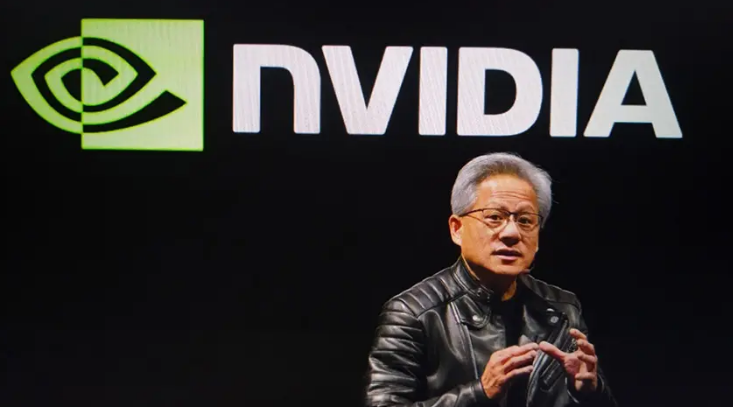
Nvidia has moved to reshape the personal computing landscape with the launch of a new superchip that chief executive Jensen Huang says will transform Windows PCs into AI-powered “teammates” capable of running personal artificial intelligence agents.
Speaking in Taipei at a keynote ahead of the Computex technology show, Huang positioned the launch as a defining moment for the industry, comparing it to the arrival of the smartphone. “This reinvention of the computer is as big of a deal as the reinvention of the phone into what we now know as the smartphone,” he told attendees while unveiling the RTX Spark platform.
The new chip system is designed as a “superchip for the era of personal AI agents” and will be integrated into upcoming Windows laptops and desktops from major manufacturers including Asus, Dell, HP, Lenovo, Microsoft Surface and MSI. Acer and Gigabyte are expected to follow with additional models later.
According to Nvidia’s technical briefing, RTX Spark combines a Blackwell GPU with an Arm-based CPU and up to 128GB of unified memory, delivering around one petaflop of AI computing performance at the device level. The company says the architecture is intended to run advanced AI tools locally, reducing reliance on cloud services.
Huang said the shift would fundamentally change how people interact with computers. He described a future where devices act more like assistants than tools, capable of managing tasks, generating content and supporting users in real time.
The announcement places Nvidia in more direct competition with Apple, Intel and AMD in the consumer PC market, an area that has struggled to regain momentum since the pandemic-driven boom faded. Nvidia, now valued at more than $5 trillion, is already dominant in data centre AI chips, but is increasingly pushing into consumer hardware.
The timing of the launch comes amid heightened geopolitical scrutiny. On Sunday, the US Department of Commerce tightened export restrictions aimed at preventing advanced Nvidia chips from reaching Chinese-linked entities through overseas subsidiaries. The move adds further complexity to Nvidia’s global expansion at a time of surging demand for AI hardware.
For businesses, including small and medium-sized firms in the UK, the shift toward on-device AI could reshape how computing power is deployed. Tasks such as drafting documents, customer service workflows and basic analytics could increasingly be handled locally on laptops rather than through external cloud systems, reducing latency and potentially improving data security.
Industry analysts note that the move raises broader questions about the future structure of workplace computing, particularly as companies weigh the cost of upgrading to AI-capable machines against existing infrastructure cycles.
While Nvidia has framed RTX Spark as a breakthrough moment, the real test will be software adoption and how effectively developers build tools that take advantage of the new architecture.
Even so, the launch marks a clear escalation in the race to define the next generation of personal computing. After years in which the PC market has lacked a compelling upgrade cycle, Nvidia has reintroduced a narrative of transformation—one that could reshape expectations for what a laptop is meant to do.